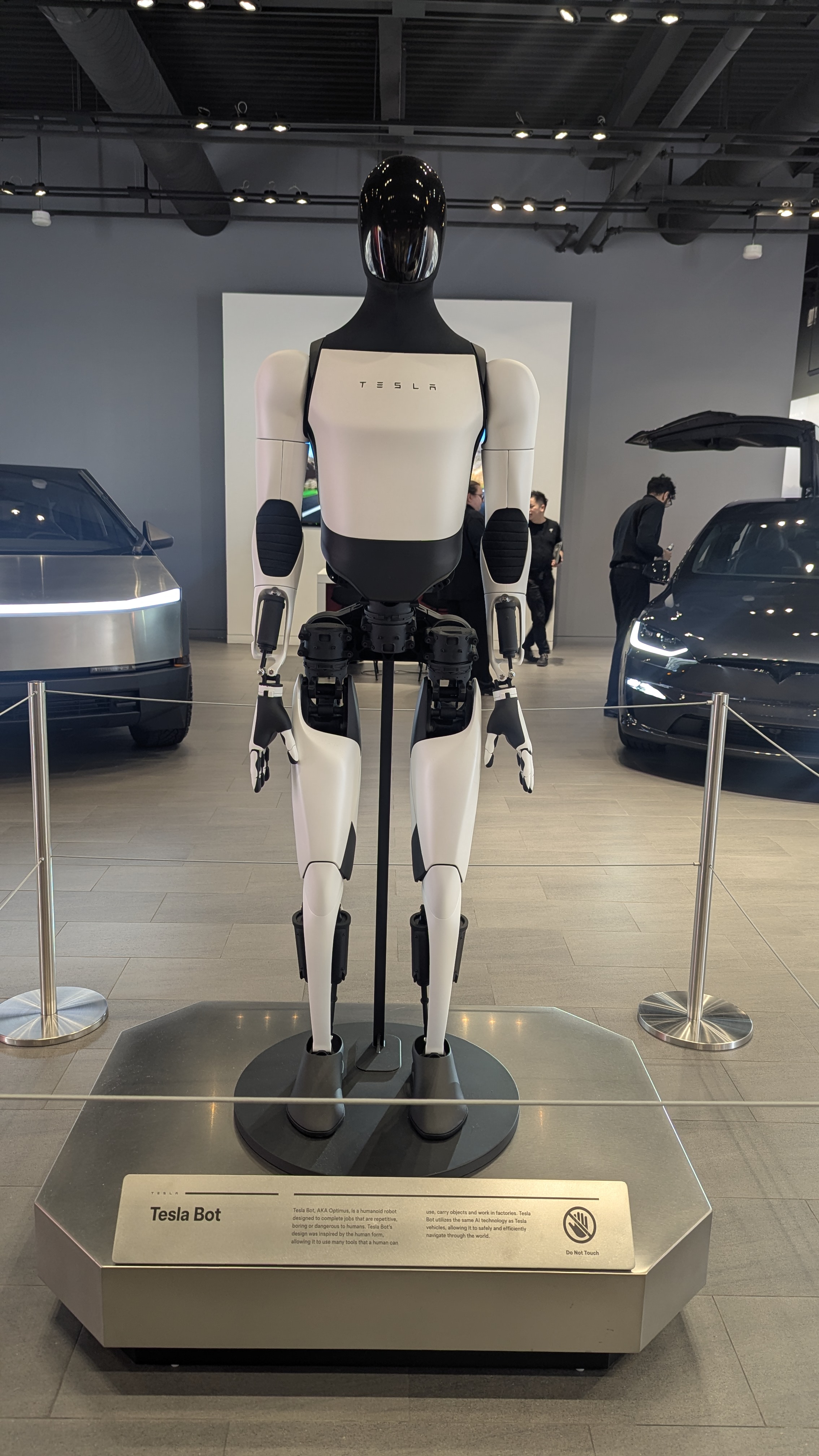
Your Robot Butler Is Coming, But It Won't Be Your Best Friend
The next wave of aging-in-place tech prioritizes practical help over personality, a smart move for seniors and a growing market.
The direct answer
The burgeoning market for smart home humanoid robots assisting with elder care is rapidly evolving beyond simple companionship. Recent reports and industry observations highlight a significant shift towards practical, sensor-driven solutions that offer tangible support for aging in place
"The trend suggests a shift toward "invisible robotics" where sensors handle the care, rather than visible robots handling the companionship."
. While robots like Abi are being piloted for emotional support and social interaction in senior living facilities
BREAKING: Andromeda Robotics brings Abi, an emotional companion robot, to the US after 2 years in Australian care homes. • Talks, plays music, runs games, leads group sessions • Remembers residents and builds ongoing relationships • Helps offset care home staffing shortages…
— Ritwik Pavan link
, the real growth potential lies in "invisible robotics" – systems where integrated sensors and AI manage care discreetly
"The trend suggests a shift toward "invisible robotics" where sensors handle the care, rather than visible robots handling the companionship."
. This trend is driven by the increasing need for elder care solutions and the potential to offset staffing shortages in the sector [c3, c6]. The global humanoid robot market is projected to skyrocket from $5.41 billion in 2026 to $50.27 billion by 2035, growing at a remarkable 28.1% annually
GOOD NEWS 🤖 According to exclusive report by MarketsandMarkets™, the humanoid robot market is projected to skyrocket from $5.41 billion in 2026 to $50.27 billion by 2035—compounding at a massive 28.1% annually 📈 With Optimus in mass production by the end of this year, Tesla…
— Ming link
. This indicates a substantial investment in robots that can handle crucial tasks like medication reminders, emergency communication, and even mobility assistance, rather than solely acting as conversational companions.
The Rise of the Practical Bot
The narrative around robots for the elderly often conjures images of friendly, chatty companions. However, the reality unfolding in the market is far more utilitarian. Robots like Abi, initially developed during the pandemic to combat isolation
Abi, the humanoid robot that's piloting in US senior care homes, was born out of the COVID-19 pandemic. Grace Brown started developing the colorful and compact AI robot to cope with isolation during COVID-19 lockdowns while studying mechatronics engineering at the University of…
— Mike Kalil link
, are now being deployed in US senior care homes, offering features like talking, playing music, and leading group sessions
BREAKING: Andromeda Robotics brings Abi, an emotional companion robot, to the US after 2 years in Australian care homes. • Talks, plays music, runs games, leads group sessions • Remembers residents and builds ongoing relationships • Helps offset care home staffing shortages…
— Ritwik Pavan link
. Yet, the more compelling business case is emerging from the demand for robots that provide concrete assistance. A recent launch of a caretaker robot saw overwhelming pre-orders, with a significant portion of inquiries coming from nursing homes seeking business-to-business contracts for pilot programs
2 days ago, we launched our caretaker robot for seniors. here are my observations: we got so many pre-orders that our website broke. the more interesting fact: a lot of nursing homes also reached out asking for B2B contracts. we're lining up huge pilots, and some are even…
— Audrey link
. This signals a clear preference for robots that can demonstrably offset staffing shortages and provide essential daily support.
Invisible Robotics: The Next Frontier
The true innovation in elder care robotics lies in the move towards 'invisible robotics.' This concept emphasizes the integration of sensors and AI that work behind the scenes to monitor well-being, manage medication schedules, and detect emergencies, rather than relying on a visible, interactive robot to perform these functions
"The trend suggests a shift toward "invisible robotics" where sensors handle the care, rather than visible robots handling the companionship."
. This approach aligns with the growing need for elder caring solutions in our aging society, where technology should support homeostatic drives and respond to environmental stimuli without being obtrusive
"This paper presents a hybrid system of applying homeostatic drives theory and stimuli from environment or human on a robot, aiming to solve the increasing need of elder caring in modern aging society."
. Socially Assistive Robots (SARs) show promise in various domains, including elder support
"Socially Assistive Robots (SARs) show significant promise in a number of domains: providing support for the elderly, assisting in education, and aiding in therapy."
, but the future appears to be in systems that provide this support seamlessly and discreetly, making technology feel less like a device and more like an integrated part of a safe and supportive home environment.
A Market Poised for Explosive Growth
The financial projections for the humanoid robot market are staggering, underscoring the significant investment and anticipated demand in this sector. An exclusive report by MarketsandMarkets™ projects the humanoid robot market to surge from $5.41 billion in 2026 to an astonishing $50.27 billion by 2035, with an annual compound growth rate of 28.1%
GOOD NEWS 🤖 According to exclusive report by MarketsandMarkets™, the humanoid robot market is projected to skyrocket from $5.41 billion in 2026 to $50.27 billion by 2035—compounding at a massive 28.1% annually 📈 With Optimus in mass production by the end of this year, Tesla…
— Ming link
. This exponential growth is fueled by a confluence of factors: an aging global population, increasing healthcare costs, and advancements in AI and robotics. The prospect of mass production, as seen with Tesla's Optimus robot, further signals the industry's readiness to scale. This isn't just about niche applications; it's about a fundamental shift in how we approach elder care and independent living.
Common mistakes
- Focusing solely on social robots for the elderly.
The market is rapidly shifting towards practical, sensor-based assistance, a trend that offers more tangible benefits for aging in place than purely social interaction. - Underestimating the market growth potential.
Projections show the humanoid robot market reaching over $50 billion by 2035, indicating a massive and rapidly expanding sector driven by elder care needs. - Ignoring the 'invisible robotics' trend.
The future of this technology lies in discreet, integrated systems rather than overt, companion-style robots, which is where significant innovation and investment are heading.
"The trend suggests a shift toward "invisible robotics" where sensors handle the care, rather than visible robots handling the companionship."
, directly addresses these critical concerns. While social interaction is valuable, the real value for aging in place will come from technology that seamlessly integrates into the home environment to provide reliable support, not just conversation
"This paper presents a hybrid system of applying homeostatic drives theory and stimuli from environment or human on a robot, aiming to solve the increasing need of elder caring in modern aging society."
. This shift means seniors can expect practical help that enhances their autonomy, rather than just a digital presence.
Frequently asked
Will these robots replace human caregivers?
Not entirely. The current focus is on augmenting human care and enabling seniors to live independently for longer. These robots are designed to assist with tasks and provide safety nets, not to replace the empathy and complex judgment of human caregivers.
Are these robots expensive?
The cost varies significantly. While some advanced humanoid robots can be quite expensive, the trend towards 'invisible robotics' suggests more integrated, potentially more affordable sensor-based systems will become prevalent, especially for B2B applications in care homes.
What's the difference between a social robot and an 'invisible robotics' system?
A social robot is designed for interaction and companionship, like a digital friend. 'Invisible robotics' refers to systems where sensors and AI work discreetly in the background to monitor health, safety, and daily routines without direct user interaction.