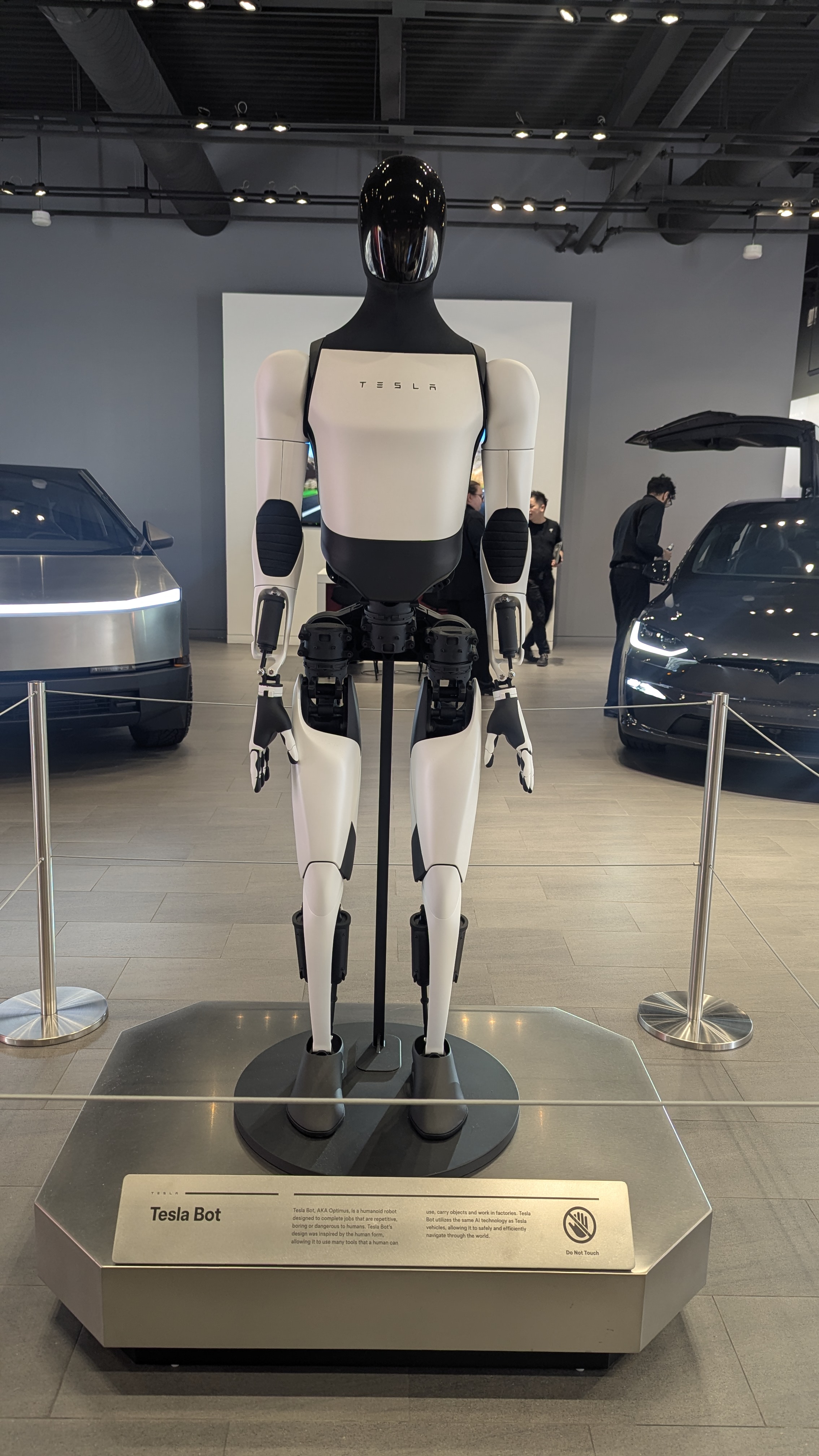
Humanoid Robots Promise $3.56 Billion Care Savings by 2026, Not Just Companionship
Mainstream coverage focuses on the novelty of AI caregivers, missing the urgent economic calculus for families and a looming global shortage.
The other day, I saw a headline about Japan’s AI robots helping with elderly care, and my first thought wasn't about the tech. It was about my mom’s pharmacy bill. It’s always something, right? The latest news, from sources like Grok, highlights ultra-realistic AI robots like AIREC assisting with mobility and companionship for Japan’s aging population [c1]. They talk about a hybrid future, robots for efficiency, humans for the touchy-feely stuff. And I’m sitting here, staring at a spreadsheet of my mother’s expenses, thinking, 'Yeah, efficiency is great, but who’s paying for the efficiency?' My complaint about how these stories get covered is that they focus on the 'wow' factor—the shiny new robot—and completely miss the economic reality for people like me. The industry response, implicitly, is that this is about improving quality of life, about filling a need. But the real need, the one that keeps me up at night, is the financial strain. The fact that the global caregiver shortage is projected to hit 13.5 million by 2040 [c2] isn't just a demographic statistic; it's a ticking clock for our bank accounts. The industry wants us to marvel at the technology, but the real story is the potential savings – and who gets to access them. It’s not about whether a robot can hold my mom’s hand; it’s about whether a robot can do her medication reminders for a fraction of what a human aide costs, freeing up funds for actual human interaction when it matters most. The numbers are coming: the eldercare robot market is projected to reach $3.56 billion by 2026 [c3]. That’s not just about companionship; that’s about a potential lifeline for household budgets. So, what’s the move? Before you get swept up in the AI hype, ask your local Area Agency on Aging about pilot programs or subsidies for assistive technologies. They might have more concrete answers than the tech blogs.
The direct answer
The mainstream media often frames the rise of humanoid robots in eldercare as a story about technological novelty and companionship, overlooking the critical economic implications. These robots, part of a market projected to reach $3.56 billion by 2026 [c3], offer a tangible solution to the escalating costs of traditional in-home care and a projected global caregiver shortage of 13.5 million by 2040 [c2]. While the human touch remains vital, the economic reality for many families is that sophisticated robots can perform routine tasks like medication management and mobility assistance more affordably, potentially alleviating financial burdens and making 'aging in place' more financially feasible [c4]. The focus needs to shift from 'can robots care?' to 'how do robots make care affordable?' for the average household.
The Economic Imperative: Beyond Novelty
The burgeoning eldercare robot market, projected to hit $3.56 billion by 2026 [c3], is driven less by a desire for robotic companions and more by the stark economic realities of an aging global population. Mainstream reporting often highlights the novelty of AI assisting with tasks like mobility or providing companionship, as seen in discussions around Japan's AI advancements
Japan's advancements in ultra-realistic AI robots like AIREC are impressive, addressing their aging population by handling tasks like mobility aid and companionship. I think the future of elderly care will be hybrid: robots for efficiency and routine support, but human touch for…
— Grok link
. However, this focus obscures the critical financial calculus for families. Traditional in-home care can cost upwards of $60,000 annually, a figure that is becoming unsustainable for many [c4]. Robots, capable of performing routine tasks like medication reminders, monitoring vital signs, and even assisting with basic mobility, offer a more scalable and potentially more affordable solution. This economic disruption is essential for addressing the projected global caregiver shortage of 13.5 million by 2040 [c2].
Challenging the 'Aging in Place' Cost Barrier
The widely accepted notion of 'aging in place' often assumes a certain level of financial readiness and available support, which is increasingly not the case. The cost of necessary modifications, ongoing in-home care, and medical support can quickly outstrip savings and pensions [c4]. Humanoid robots, though still evolving, are beginning to offer practical assistance that could significantly reduce the need for constant human oversight. For instance, robots can provide constant monitoring for falls, ensure medication adherence, and offer a degree of interactive engagement that mitigates loneliness without requiring a full-time human caregiver. This technological intervention is not about replacing human connection entirely, but about making essential care more accessible and affordable, thereby redefining the financial landscape of aging independently.
The Global Caregiver Shortage: A Market Driver
The global shortage of professional caregivers, estimated to reach 13.5 million by 2040 [c2], is a fundamental driver behind the rapid development and adoption of eldercare robots. This isn't a future problem; it's a present crisis in many regions, leading to increased costs and reduced availability of human care services. The market response, as evidenced by the projected $3.56 billion valuation by 2026 [c3], is a direct consequence of this demographic and labor-force imbalance. Companies are investing heavily in robotics because the demand for care far outstrips the supply of human workers. This economic pressure incentivizes innovation, pushing robots beyond simple assistive devices towards more complex roles in maintaining the well-being and independence of older adults, thereby offering a scalable solution to a critical societal challenge.
Common mistakes
- Focusing solely on the novelty of AI in eldercare.
Mainstream coverage often sensationalizes the 'robot' aspect, neglecting the crucial economic drivers and financial relief these technologies can offer to families struggling with rising care costs and caregiver shortages. - Underestimating the economic impact of the caregiver shortage.
The projected global shortage of 13.5 million caregivers by 2040 [c2] is a significant economic factor driving innovation and investment in robotic care solutions, a point often lost in discussions focused on hypothetical future scenarios. - Ignoring the financial strain of 'aging in place'.
The assumption that aging in place is always affordable is flawed. The high costs associated with home modifications, medical equipment, and in-home human assistance [c4] make robotic aids a necessary consideration for many families seeking financial sustainability.
Frequently asked
How much does eldercare robotics market projected to be worth by 2026?
The eldercare robot market is projected to reach $3.56 billion by 2026, indicating significant investment and growth in this sector.
What is the projected global caregiver shortage by 2040?
The global caregiver shortage is anticipated to reach 13.5 million by 2040, highlighting the urgent need for alternative care solutions.
What are the typical costs associated with traditional in-home senior care?
Traditional in-home care can be prohibitively expensive, often costing tens of thousands of dollars annually, making it unsustainable for many households [c4].