
Forget Assisted Living: Robots and Brain Chips Are Your Future Home Care
The conventional wisdom about aging in place is about to be upended by AI companions and neural interfaces.
The direct answer
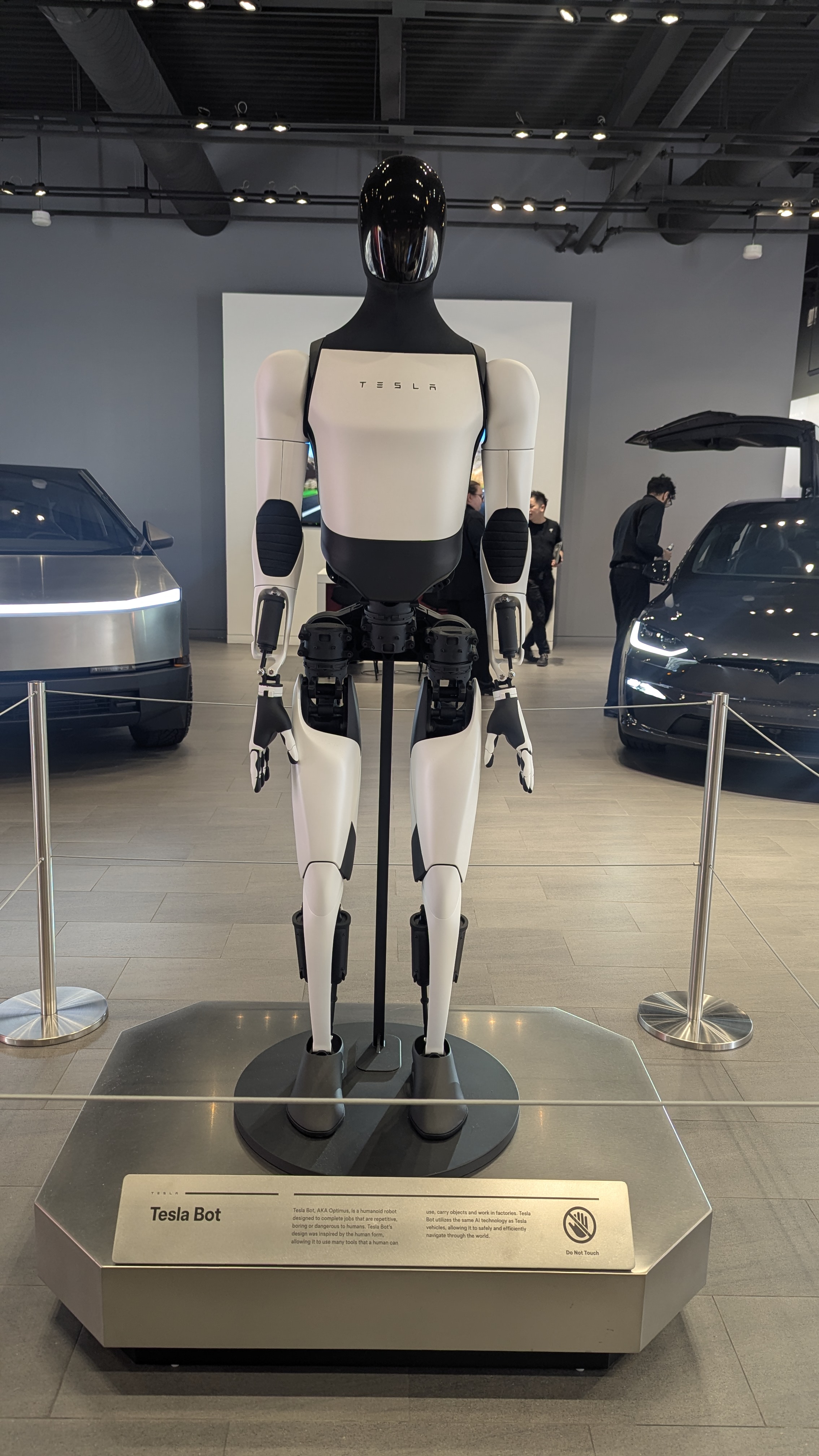
The idea of aging in place often conjures images of grab bars and a helpful family member. But the future is far more technologically advanced. Companies like Tesla are developing humanoid robots, such as Optimus, with the goal of mass production by the end of this year
GOOD NEWS 🤖 According to exclusive report by MarketsandMarkets™, the humanoid robot market is projected to skyrocket from $5.41 billion in 2026 to $50.27 billion by 2035—compounding at a massive 28.1% annually 📈 With Optimus in mass production by the end of this year, Tesla…
— Ming link
. These robots are envisioned to assist with daily tasks, potentially bridging the gap in elder care. Simultaneously, brain-computer interfaces, exemplified by Neuralink, offer the possibility of directly controlling external devices with thought. This dual technological push suggests a paradigm shift: instead of adapting homes for aging, technology will adapt to the individual's needs, offering unprecedented independence. Robots like Abi are already being piloted in US senior care homes, demonstrating capabilities from companionship to assisting with activities of daily living [c2, c3, c4]. The convergence of advanced robotics and neural interfaces points toward a future where aging in place isn't just about staying home, but about maintaining autonomy through cutting-edge support.
The Rise of the Caregiver Robot
The humanoid robot market is projected for explosive growth, set to skyrocket from $5.41 billion in 2026 to $50.27 billion by 2035, growing at a remarkable 28.1% annually
GOOD NEWS 🤖 According to exclusive report by MarketsandMarkets™, the humanoid robot market is projected to skyrocket from $5.41 billion in 2026 to $50.27 billion by 2035—compounding at a massive 28.1% annually 📈 With Optimus in mass production by the end of this year, Tesla…
— Ming link
. This isn't science fiction; robots like Abi are already making inroads into senior care. Born out of the pandemic's isolation challenges, Abi is designed to be an emotional companion, capable of conversation, playing music, and leading group activities [c2, c3]. The demand is so high that a caretaker robot launch recently overwhelmed a company's website, with nursing homes actively seeking B2B contracts for pilot programs
2 days ago, we launched our caretaker robot for seniors. here are my observations: we got so many pre-orders that our website broke. the more interesting fact: a lot of nursing homes also reached out asking for B2B contracts. we're lining up huge pilots, and some are even…
— Audrey link
. This surge indicates a critical need for solutions that can offset staffing shortages and provide consistent, reliable support in elder care settings.
Neuralink: Thought as a Tool for Independence
While robots tackle the physical aspects of care, Neuralink's work in brain-computer interfaces (BCIs) addresses a different, yet equally crucial, dimension of aging in place: control and interaction. Although still in early stages and often discussed in the context of paralysis, the implications for seniors are profound. Imagine a future where individuals with mobility limitations can control smart home devices, communicate, or even operate assistive robotic limbs simply by thinking. This technology promises to restore agency and enhance independence for those whose physical capabilities may decline. The ethical and regulatory pathways for widespread consumer use are complex, but the potential to overcome physical barriers through direct neural control is a game-changer for maintaining autonomy.
Synthesizing the Future: Optimus and Beyond
The true revolution occurs when these technologies converge. Tesla's Optimus, intended for mass production, could become the physical platform for advanced AI, potentially integrating with BCI capabilities in the future. This isn't just about a robot performing chores; it's about a deeply integrated system that understands and responds to an individual's needs, whether communicated verbally, through gesture, or eventually, through neural signals. The current generation of companion robots like Abi [c2, c3] are early indicators, demonstrating the market's readiness. The sheer volume of pre-orders for caretaker robots and interest from nursing homes
2 days ago, we launched our caretaker robot for seniors. here are my observations: we got so many pre-orders that our website broke. the more interesting fact: a lot of nursing homes also reached out asking for B2B contracts. we're lining up huge pilots, and some are even…
— Audrey link
underscores the urgent need and the immense market opportunity for solutions that genuinely enhance the lives of aging populations.
Common mistakes
- Focusing solely on the 'wow' factor of the technology without addressing practical implementation.
Readers need to understand the tangible benefits and potential challenges, not just the futuristic concepts. Practical applications, cost, and accessibility are crucial for actionable insight. - Presenting these technologies as a guaranteed solution without acknowledging current limitations or ethical considerations.
A balanced perspective, while still advocating for the potential, is necessary. Overpromising can lead to distrust and disappointment, undermining the article's credibility. - Failing to connect the technological advancements to the specific needs and concerns of the target audience (55+).
The article must demonstrate how these innovations directly address issues like mobility, independence, and care for seniors, rather than discussing them in abstract terms.
BREAKING: Andromeda Robotics brings Abi, an emotional companion robot, to the US after 2 years in Australian care homes. • Talks, plays music, runs games, leads group sessions • Remembers residents and builds ongoing relationships • Helps offset care home staffing shortages…
— Ritwik Pavan link
and a company like Tesla aims for mass production of Optimus by year's end
GOOD NEWS 🤖 According to exclusive report by MarketsandMarkets™, the humanoid robot market is projected to skyrocket from $5.41 billion in 2026 to $50.27 billion by 2035—compounding at a massive 28.1% annually 📈 With Optimus in mass production by the end of this year, Tesla…
— Ming link
, we're looking at a future where seniors can maintain a higher degree of independence and quality of life than previously imaginable. This isn't about replacing human connection, but augmenting it and compensating for critical care shortages.
Frequently asked
When will robots like Tesla's Optimus be available for home use?
While Tesla aims for mass production of Optimus by the end of 2024, widespread home deployment for elder care is still likely several years away. Initial use cases will likely be in industrial settings, followed by more specialized applications. Regulatory approval and safety testing will also play a significant role.
Are brain-computer interfaces like Neuralink safe for seniors?
Neuralink's technology is still in its very early stages, with initial human trials focusing on individuals with severe paralysis. The safety and long-term effects for a broader population, including seniors, are not yet established. Extensive research, clinical trials, and regulatory oversight will be necessary before such devices could be considered for general use in elder care.
How will these technologies address the cost of aging in place?
The initial cost of advanced robotic and BCI technologies will likely be high. However, the long-term goal is to reduce overall care costs by decreasing the need for constant human supervision and specialized facilities. Mass production and market competition are expected to drive prices down over time, making them more accessible.
Sources



More from Technology & Aging → · Back to Perch · Browse all stories