
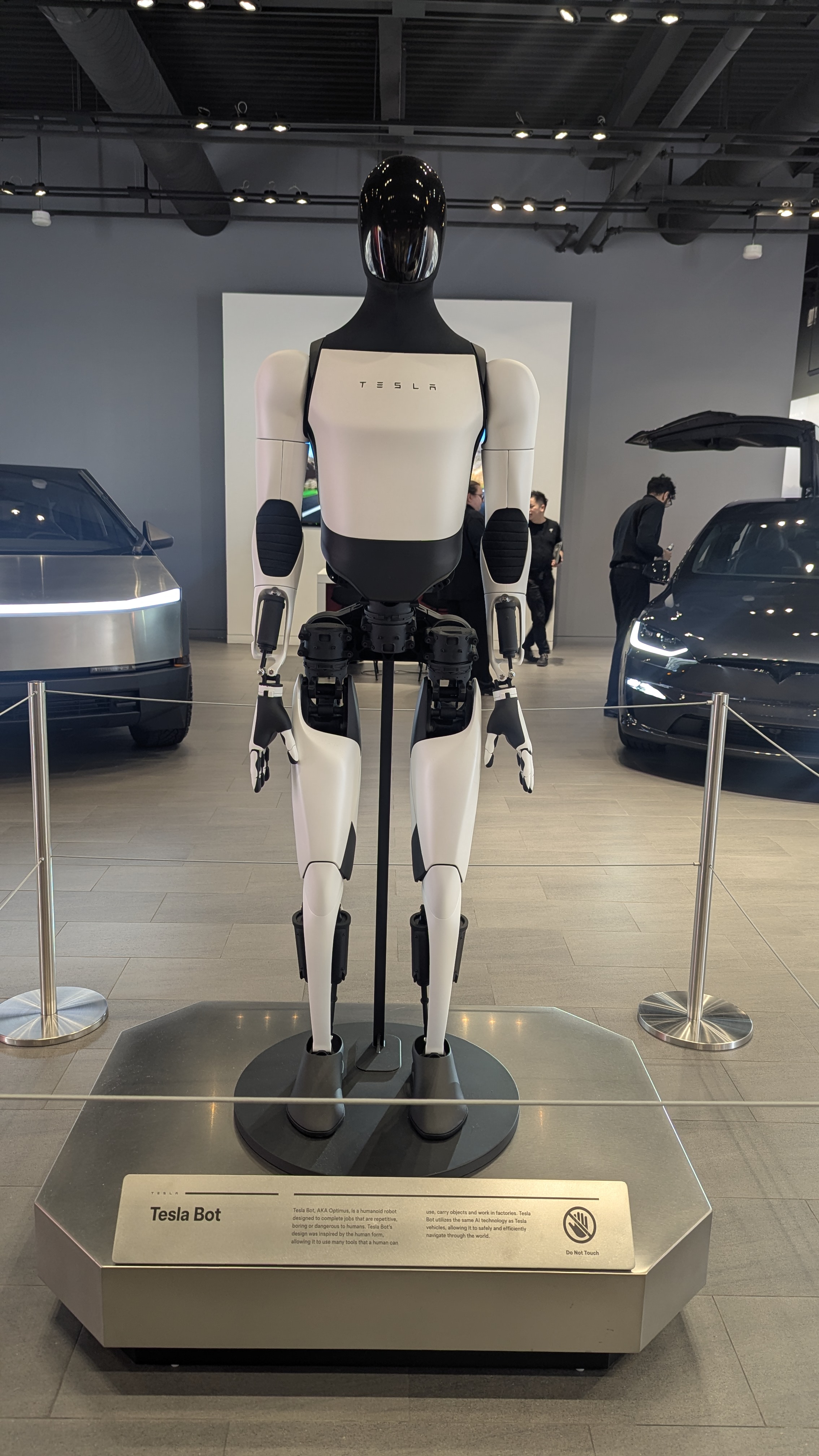
Humanoid Robots for Seniors: Demos Are Over, But Home Care Still a Distant Dream
While advanced robots are tackling practical tasks in elder care facilities, widespread adoption in homes faces significant safety and generalization hurdles.
The direct answer
The era of humanoid robots performing practical tasks in elder care is dawning, with companies like Audrey reporting overwhelming pre-orders and significant interest from nursing homes for B2B contracts
2 days ago, we launched our caretaker robot for seniors. here are my observations: we got so many pre-orders that our website broke. the more interesting fact: a lot of nursing homes also reached out asking for B2B contracts. we're lining up huge pilots, and some are even…
— Audrey link
. Andromeda Robotics is bringing its companion robot, Abi, to the US after successful trials in Australian care homes, where it engages residents in conversation, plays music, and even helps offset staffing shortages by leading group sessions and remembering individuals
BREAKING: Andromeda Robotics brings Abi, an emotional companion robot, to the US after 2 years in Australian care homes. • Talks, plays music, runs games, leads group sessions • Remembers residents and builds ongoing relationships • Helps offset care home staffing shortages…
— Ritwik Pavan link
. Developed partly in response to COVID-19 isolation, Abi exemplifies the trend of robots designed to provide emotional and practical support
Abi, the humanoid robot that's piloting in US senior care homes, was born out of the COVID-19 pandemic. Grace Brown started developing the colorful and compact AI robot to cope with isolation during COVID-19 lockdowns while studying mechatronics engineering at the University of…
— Mike Kalil link
. However, the leap from controlled facility environments to the unpredictable chaos of a private home remains a monumental challenge. Safety protocols for unpredictable human interaction and the ability of robots to generalize their skills across diverse home settings are far from solved, meaning your robotic caregiver is likely still a few years away from moving in.
From Demos to Duty: Robots in Facilities
The narrative around humanoid robots has shifted dramatically from mere demonstration to tangible application, particularly within elder care facilities. Companies are reporting not just consumer interest but significant B2B traction. Audrey, for instance, experienced a website crash due to overwhelming pre-orders for its senior caretaker robot and is now lining up "huge pilots" with nursing homes
2 days ago, we launched our caretaker robot for seniors. here are my observations: we got so many pre-orders that our website broke. the more interesting fact: a lot of nursing homes also reached out asking for B2B contracts. we're lining up huge pilots, and some are even…
— Audrey link
. This isn't just about novelty; it's about addressing real operational needs. Robots like Abi are being deployed to provide companionship, lead activities, and assist staff, effectively helping to mitigate staffing shortages that plague the sector. The ability of these robots to remember residents and build ongoing relationships
BREAKING: Andromeda Robotics brings Abi, an emotional companion robot, to the US after 2 years in Australian care homes. • Talks, plays music, runs games, leads group sessions • Remembers residents and builds ongoing relationships • Helps offset care home staffing shortages…
— Ritwik Pavan link
suggests a move towards more integrated, rather than purely functional, assistance. This transition from lab experiment to functional elder care asset is a critical validation point for the industry.
The Homefront Hurdle: Safety and Generalization
While robots are proving their mettle in controlled settings, the path to widespread home deployment is fraught with challenges. The primary obstacles are safety and generalization. A robot designed to navigate a clean, predictable nursing home floor may falter when faced with a cluttered living room, a pet darting underfoot, or an unexpected spill. Ensuring these machines can operate safely around vulnerable individuals, who may have unpredictable movements or cognitive impairments, requires robust, failsafe systems that are still under development. Furthermore, the ability to generalize tasks—performing different actions in varied environments—is crucial for home care. A robot that can reliably assist with medication in a facility might struggle to adapt to a different kitchen setup or a resident's unique daily routine without extensive, and often impractical, recalibration. This gap between facility-based utility and home-based adaptability is the key bottleneck.
The Economic Equation: Affordability vs. Need
The potential for humanoid robots to alleviate the burden on caregivers and address the growing demand for elder care is immense. However, the economic equation remains a significant barrier to entry for home use. While the cost of advanced robotics is steadily decreasing, the price point for a fully capable, safe, and reliable home caregiver robot is still prohibitively high for most families. Current deployments in facilities often involve lease agreements or B2B contracts, spreading the cost across an organization. For individual households, the upfront investment, coupled with potential maintenance and software update fees, could easily run into tens of thousands of dollars. This raises the question: who will bear the cost? Will these technologies remain exclusive to affluent households or institutional care, or will innovative financing models and continued technological advancement bring them within reach of the average family needing assistance for their aging loved ones?
Common mistakes
- Assuming widespread home adoption is imminent.
While facility deployments are growing, the significant safety and generalization challenges for home environments mean widespread adoption is still years, if not decades, away. Overstating current capabilities risks setting unrealistic expectations for families. - Focusing solely on functionality without addressing human-robot interaction.
The emotional and psychological impact of having a robot in the home, especially for seniors who value their privacy and autonomy, is critical. Current discussions often overlook the 'human factor' of integration, which is as important as the technical hurdles. - Ignoring the cost barrier for individual consumers.
While institutional buyers might absorb costs, the price of advanced humanoid robots remains a major impediment for individual households. Failing to address affordability means the 'solution' remains out of reach for the very people who need it most.
2 days ago, we launched our caretaker robot for seniors. here are my observations: we got so many pre-orders that our website broke. the more interesting fact: a lot of nursing homes also reached out asking for B2B contracts. we're lining up huge pilots, and some are even…
— Audrey link
, signals a clear market need. Robots like Abi, designed for companionship and assistance, are proving their worth in structured environments [c2, c3]. However, the industry's enthusiasm for 'aging in place' solutions must be tempered by a realistic assessment of technological readiness. The jump from a supervised facility to an unsupervised home environment introduces complexities—from unexpected obstacles to the nuances of human interaction—that current systems are ill-equipped to handle. We're seeing a classic case of the technology outpacing its practical, safe, and ethical application for the average household.
Frequently asked
Are humanoid robots currently available for home elder care?
While some companies are offering robots for senior care, these are primarily deployed in institutional settings like nursing homes for pilot programs or specific tasks. Widespread availability for individual home use, capable of handling the complexities of a domestic environment, is still some years away due to safety and generalization challenges.
What are the main challenges preventing robots from being used in homes?
The primary hurdles are ensuring safety in unpredictable home environments, enabling robots to generalize their skills across diverse settings, and making them affordable for average consumers. Robots need to navigate cluttered spaces, interact safely with people and pets, and adapt to varied routines without constant human supervision.
How are robots being used in elder care facilities right now?
In facilities, robots are performing tasks like providing companionship, leading group activities, reminding residents about medication, and assisting with basic mobility. They are also helping to alleviate staffing shortages by taking on repetitive or time-consuming duties, allowing human caregivers to focus on more complex needs.
Sources



More from Technology & Aging → · Back to Perch · Browse all stories