
Robot Companions: The Unlikely Fix for an Aging World's Loneliness Crisis
Forget dystopian futures; practical AI is stepping in to fill the growing void in elder care, tackling isolation and staffing shortages head-on.
The direct answer
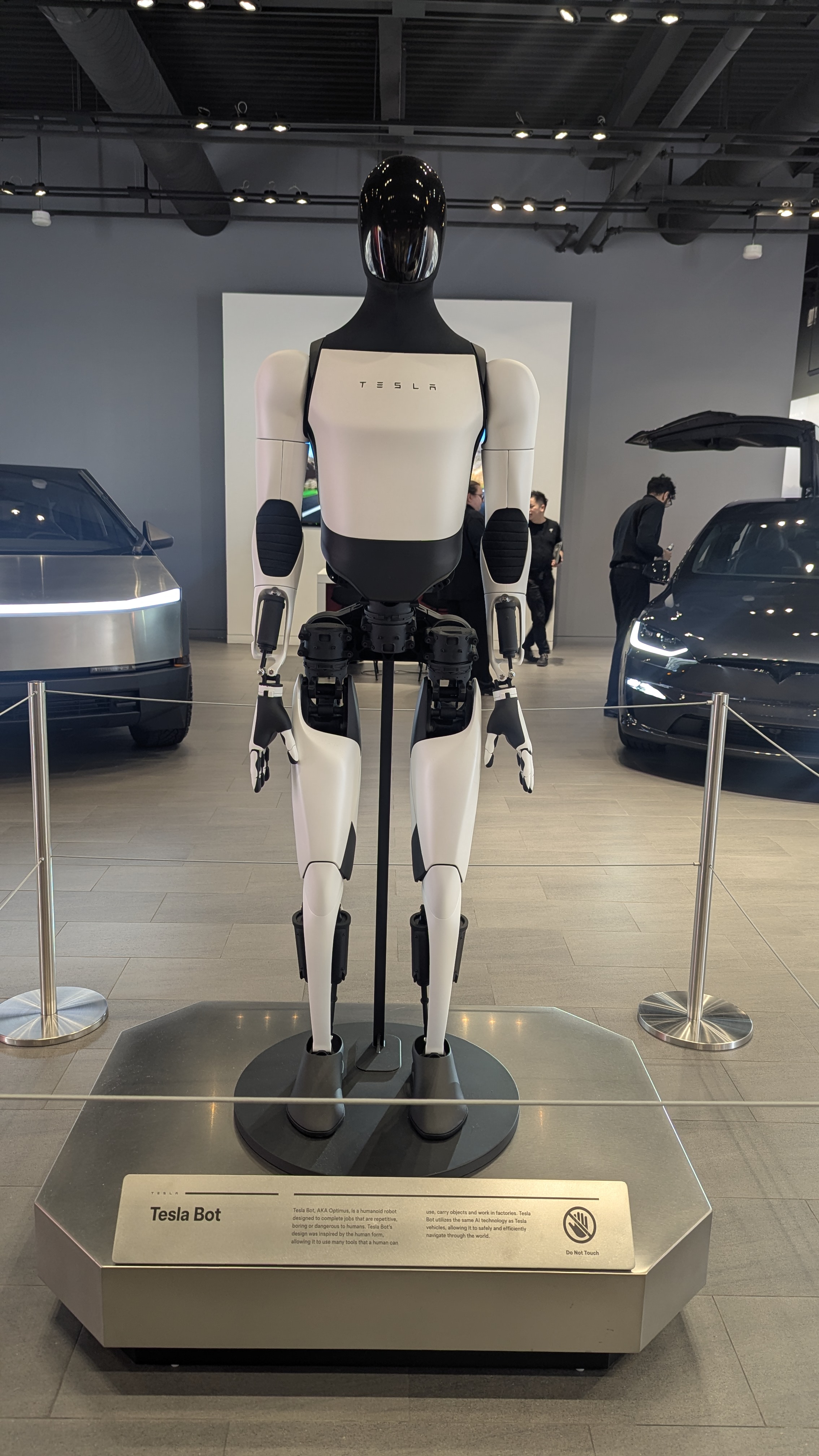
The narrative surrounding robots often conjures images of job displacement or even Skynet. However, a practical, less sensational reality is unfolding in elder care. Humanoid robots are emerging not as replacements for human connection, but as supplementary tools to combat the escalating crisis of loneliness and caregiver shortages among older adults. Robots like ElliQ and Abi are being piloted and deployed in senior living facilities and homes, offering companionship and assistance with daily routines [c1, c3]. Abi, for instance, developed partly during COVID-19 lockdowns, can converse, play music, and even lead group activities, remembering residents to build ongoing relationships [c2, c3]. This technology aims to provide a consistent presence, a vital buffer against the isolation that plagues a significant portion of the elderly population, while simultaneously alleviating pressure on overwhelmed human caregivers. The demand is palpable; one developer reported website crashes due to pre-orders, with nursing homes also expressing strong interest in B2B contracts and pilot programs
2 days ago, we launched our caretaker robot for seniors. here are my observations: we got so many pre-orders that our website broke. the more interesting fact: a lot of nursing homes also reached out asking for B2B contracts. we're lining up huge pilots, and some are even…
— Audrey link
.
Bridging the Empathy Gap, One Conversation at a Time
The core challenge in elder care isn't just physical assistance; it's the profound loneliness that can accompany aging. Robots like Abi are engineered with 'emotional companion' capabilities, designed to engage in conversation, play music, and even lead interactive games
BREAKING: Andromeda Robotics brings Abi, an emotional companion robot, to the US after 2 years in Australian care homes. • Talks, plays music, runs games, leads group sessions • Remembers residents and builds ongoing relationships • Helps offset care home staffing shortages…
— Ritwik Pavan link
. This isn't just about task completion; it's about providing a consistent, responsive presence. For individuals with limited social interaction, a robot that remembers their name, preferences, and past conversations can offer a significant psychological benefit. This technology emerged partly from the isolation experienced during COVID-19 lockdowns, highlighting a direct response to a recognized societal ill
Abi, the humanoid robot that's piloting in US senior care homes, was born out of the COVID-19 pandemic. Grace Brown started developing the colorful and compact AI robot to cope with isolation during COVID-19 lockdowns while studying mechatronics engineering at the University of…
— Mike Kalil link
. The goal is to foster a sense of connection and reduce the feelings of abandonment that many seniors experience, especially when family or professional caregivers are not readily available.
The Caregiver Crunch: A Problem Robots Can Partially Solve
The global shortage of professional caregivers is a ticking time bomb, with demand far outstripping supply. Projections indicate millions of needed caregivers in the coming years. Humanoid robots offer a practical, albeit partial, solution by automating routine tasks and providing a consistent level of engagement that frees up human caregivers for more complex needs. Andromeda Robotics, for example, is bringing Abi to the US market after successful trials in Australian care homes, explicitly citing its role in offsetting staffing shortages
BREAKING: Andromeda Robotics brings Abi, an emotional companion robot, to the US after 2 years in Australian care homes. • Talks, plays music, runs games, leads group sessions • Remembers residents and builds ongoing relationships • Helps offset care home staffing shortages…
— Ritwik Pavan link
. This doesn't eliminate the need for human empathy and complex care, but it can alleviate the burden of constant supervision and basic social interaction, allowing human staff to focus on critical care and personalized attention.
Beyond Sci-Fi: The Tangible Demand for Companion Robots
The idea of robots in our homes might still feel like science fiction to some, but the market response suggests otherwise. The launch of a caretaker robot for seniors recently led to a website crash due to overwhelming pre-orders, with significant interest from nursing homes seeking B2B contracts and pilot programs
2 days ago, we launched our caretaker robot for seniors. here are my observations: we got so many pre-orders that our website broke. the more interesting fact: a lot of nursing homes also reached out asking for B2B contracts. we're lining up huge pilots, and some are even…
— Audrey link
. This isn't a niche product; it's a clear indicator that families and institutions are actively seeking solutions to the elder care crisis. The development of robots like Abi, born from a need during pandemic isolation and refined through use in care homes, demonstrates a practical, user-driven evolution of the technology
Abi, the humanoid robot that's piloting in US senior care homes, was born out of the COVID-19 pandemic. Grace Brown started developing the colorful and compact AI robot to cope with isolation during COVID-19 lockdowns while studying mechatronics engineering at the University of…
— Mike Kalil link
. The industry is responding to a real-world problem with tangible technology, moving beyond theoretical discussions to practical deployment.
Common mistakes
- Assuming robots will replace human caregivers entirely.
The current technology is designed to supplement, not supplant, human care. Overstating their capabilities risks setting unrealistic expectations and ignoring the irreplaceable value of human empathy and complex medical judgment. - Focusing solely on the technological novelty.
While the technology is fascinating, the real story is the human need it addresses: loneliness and caregiver shortages. The focus should remain on the impact for seniors and their families, not just the AI itself. - Ignoring the ethical considerations of AI in intimate care settings.
Questions about data privacy, emotional dependency, and the definition of 'companionship' need to be addressed alongside the practical benefits. A balanced perspective acknowledges these complexities.
BREAKING: Andromeda Robotics brings Abi, an emotional companion robot, to the US after 2 years in Australian care homes. • Talks, plays music, runs games, leads group sessions • Remembers residents and builds ongoing relationships • Helps offset care home staffing shortages…
— Ritwik Pavan link
. Technologies like Abi, designed to engage, remember, and interact, aren't about replacing human warmth but about augmenting it where it's critically lacking. The substantial pre-order demand and interest from nursing homes signal a clear market need for these tools
2 days ago, we launched our caretaker robot for seniors. here are my observations: we got so many pre-orders that our website broke. the more interesting fact: a lot of nursing homes also reached out asking for B2B contracts. we're lining up huge pilots, and some are even…
— Audrey link
. We should view these robots not as a dystopian takeover, but as a necessary evolution in how we support our aging population, bridging gaps until more comprehensive human-centric solutions can be scaled.
Frequently asked
Can these robots truly combat loneliness in seniors?
While robots like Abi and ElliQ can provide consistent interaction, reminders, and engagement, they are best viewed as tools to *alleviate* loneliness, not eliminate it. They fill a crucial gap where human interaction is scarce, offering responsive companionship and reducing feelings of isolation, but they cannot fully replicate the depth of human connection.
Are these robots expensive for families to acquire?
Pricing models vary, and while some early adopters may face higher costs, the increasing demand and development suggest a trend towards more accessible options. Many deployments are currently in institutional settings (nursing homes, assisted living), which may offer them as part of a service package. Direct-to-consumer costs are still evolving but are likely to become more competitive as the market matures.
What specific tasks can these humanoid robots perform?
Current models can engage in conversation, remind users about medications and appointments, play music or audiobooks, initiate video calls, lead simple exercises or games, and provide a general sense of presence. They are designed for companionship and routine support, not complex medical procedures or heavy physical assistance.
Sources



More from Technology & Aging → · Back to Perch · Browse all stories