
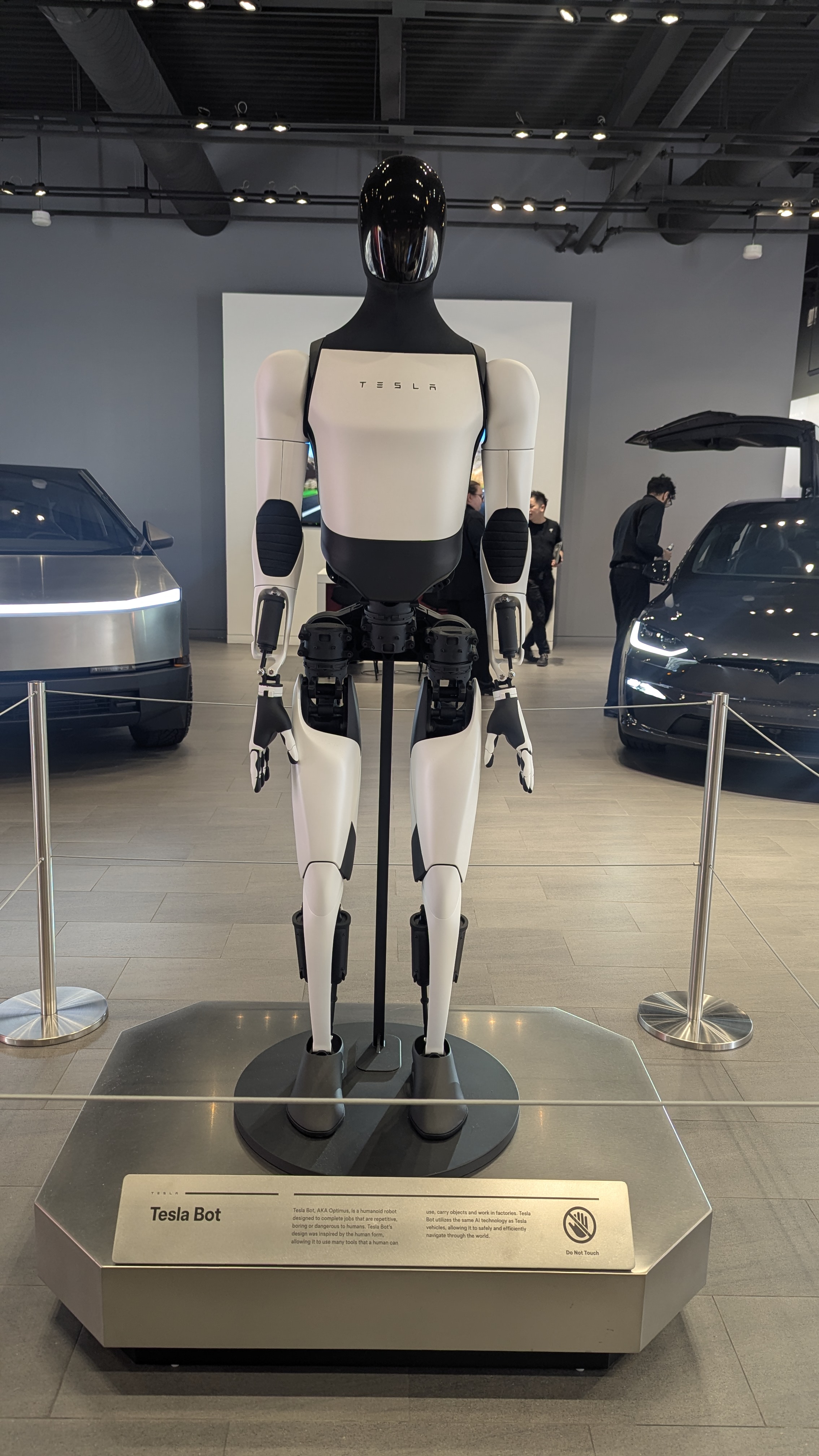
Robots Aren't Coming for Your Grandparents; They're Already There
Forget the sci-fi fantasies. Humanoid companions and AI assistants are quietly stepping into the critical gap left by the global elder care crisis, backed by billions in venture capital.
The direct answer
The narrative of robots as distant, futuristic novelties is outdated. Humanoid robots are actively deployed *today* as a critical solution to the escalating global shortage of human caregivers for seniors. Companies like Intuition Robotics are already placing AI-powered companions like ElliQ in homes to provide daily assistance and combat isolation, a problem amplified during the pandemic
Abi, the humanoid robot that's piloting in US senior care homes, was born out of the COVID-19 pandemic. Grace Brown started developing the colorful and compact AI robot to cope with isolation during COVID-19 lockdowns while studying mechatronics engineering at the University of…
— Mike Kalil link
. The demand is so significant that new caretaker robots have seen website outages due to pre-orders, with nursing homes actively seeking B2B contracts for pilots
2 days ago, we launched our caretaker robot for seniors. here are my observations: we got so many pre-orders that our website broke. the more interesting fact: a lot of nursing homes also reached out asking for B2B contracts. we're lining up huge pilots, and some are even…
— Audrey link
. Andromeda Robotics' Abi robot, for instance, is now in US senior care homes, offering conversation, music, games, and even building relationships with residents, directly addressing staffing shortages
BREAKING: Andromeda Robotics brings Abi, an emotional companion robot, to the US after 2 years in Australian care homes. • Talks, plays music, runs games, leads group sessions • Remembers residents and builds ongoing relationships • Helps offset care home staffing shortages…
— Ritwik Pavan link
. This isn't a future problem; it's a present reality, with significant investment flowing into companies addressing this structural deficit.
The 'Abi' Effect: Companionship as a Service
The emergence of robots like Abi, an emotional companion robot, highlights a shift from purely functional assistance to emotional and social engagement. Developed initially in response to COVID-19 isolation
Abi, the humanoid robot that's piloting in US senior care homes, was born out of the COVID-19 pandemic. Grace Brown started developing the colorful and compact AI robot to cope with isolation during COVID-19 lockdowns while studying mechatronics engineering at the University of…
— Mike Kalil link
, Abi is designed to converse, play music, run games, and even lead group sessions, crucially remembering residents and building ongoing relationships. This capability is not merely a novelty; it directly addresses the profound loneliness experienced by many seniors, a factor often overlooked in the rush to address physical care needs. Andromeda Robotics' rollout in US senior care homes signifies a tangible step toward integrating these empathetic AI into daily routines, offering a scalable solution to the persistent staffing shortages plaguing the sector
BREAKING: Andromeda Robotics brings Abi, an emotional companion robot, to the US after 2 years in Australian care homes. • Talks, plays music, runs games, leads group sessions • Remembers residents and builds ongoing relationships • Helps offset care home staffing shortages…
— Ritwik Pavan link
.
Beyond the Hype: VC's Bet on Elder Care Robots
The $38 billion in venture capital pouring into this sector underscores a profound market validation. This isn't speculative funding for far-off futures; it's a direct investment in immediate, deployable solutions for a pressing crisis. The overwhelming response to the launch of new caretaker robots, including website meltdowns due to pre-orders and a surge of B2B inquiries from nursing homes, signals a tangible demand that far outstrips current supply
2 days ago, we launched our caretaker robot for seniors. here are my observations: we got so many pre-orders that our website broke. the more interesting fact: a lot of nursing homes also reached out asking for B2B contracts. we're lining up huge pilots, and some are even…
— Audrey link
. This financial backing is enabling companies to scale production and pilot programs, moving these robots from research labs to real-world applications in senior living facilities and private homes, aiming to offset the structural deficit in human caregivers.
The Structural Shortage: A Problem Robots Can Solve
The global elder care crisis is not a temporary blip; it's a structural issue driven by aging demographics and a shrinking workforce. Robots like ElliQ, designed for companionship and daily assistance, are stepping into this void. The development of Abi, born from the isolation of the pandemic, directly links technological solutions to human needs exacerbated by societal challenges
Abi, the humanoid robot that's piloting in US senior care homes, was born out of the COVID-19 pandemic. Grace Brown started developing the colorful and compact AI robot to cope with isolation during COVID-19 lockdowns while studying mechatronics engineering at the University of…
— Mike Kalil link
. The fact that nursing homes are actively pursuing 'B2B contracts' for these robots indicates a desperate need for scalable support systems
2 days ago, we launched our caretaker robot for seniors. here are my observations: we got so many pre-orders that our website broke. the more interesting fact: a lot of nursing homes also reached out asking for B2B contracts. we're lining up huge pilots, and some are even…
— Audrey link
. This technology offers a pragmatic, if sometimes unglamorous, answer to the question of how to provide dignified care when human resources are stretched thin, moving beyond idealistic visions to address a critical, present-day necessity.
Common mistakes
- Focusing solely on the novelty or futuristic aspect of robots.
This misses the critical point that these technologies are already deployed and solving urgent, present-day problems in elder care, not waiting for a distant future. - Presenting the caregiver shortage as a minor inconvenience.
It's a structural crisis with significant societal and economic implications, and robots are emerging as a key, albeit partial, solution, not just a convenience. - Ignoring the financial investment as a signal of real-world impact.
The $38 billion in VC funding isn't just about innovation; it's a direct bet on the immediate viability and scalability of these robots in addressing a massive market need.
Frequently asked
Are these robots going to replace human caregivers entirely?
No, the current focus is on augmenting human care, not replacing it. Robots like ElliQ and Abi are designed to handle tasks like medication reminders, social engagement, and monitoring, freeing up human caregivers for more complex personal interactions and needs. The goal is to alleviate strain and fill gaps, not eliminate human connection.
How much do these elder care robots cost?
Pricing varies significantly by model and provider. While specific figures for all models aren't publicly available, the significant VC investment suggests a range from subscription-based services for AI companions to higher upfront costs for more advanced humanoid assistants. The industry is working to make these solutions accessible, though exact costs are often negotiated in B2B contracts or through specific pilot programs.
What kind of assistance can these robots provide?
Current elder care robots offer a range of assistance, including companionship, conversation, medication reminders, activity monitoring, connecting users with family via video calls, playing music or games, and providing information. More advanced models are being piloted for physical assistance, though the primary focus remains on cognitive and social support to combat isolation and ensure safety.
Sources



More from Technology & Aging → · Back to Perch · Browse all stories