
China's Robot Caregivers Are Here: Forget Sci-Fi, Embrace the Reality
While many still picture robots as a distant dream, a new national policy signals their imminent arrival in elderly care, tackling critical staffing shortages head-on.
The direct answer
The notion of humanoid robots as caregivers for our aging population is often relegated to science fiction, but China's recent formalization of a policy to boost their research and deployment directly challenges this perception
Abi, the humanoid robot that's piloting in US senior care homes, was born out of the COVID-19 pandemic. Grace Brown started developing the colorful and compact AI robot to cope with isolation during COVID-19 lockdowns while studying mechatronics engineering at the University of…
— Mike Kalil link
. This isn't a future fantasy; it's a rapidly advancing solution to a global caregiver shortage. These robots are being developed to offer not just physical assistance but also companionship and emotional support, aiming to alleviate the strain on human caregivers and provide a higher quality of life for seniors. The market is already showing explosive growth, with projections indicating a surge from $5.41 billion in 2026 to $50.27 billion by 2035, driven by the urgent need for scalable care solutions
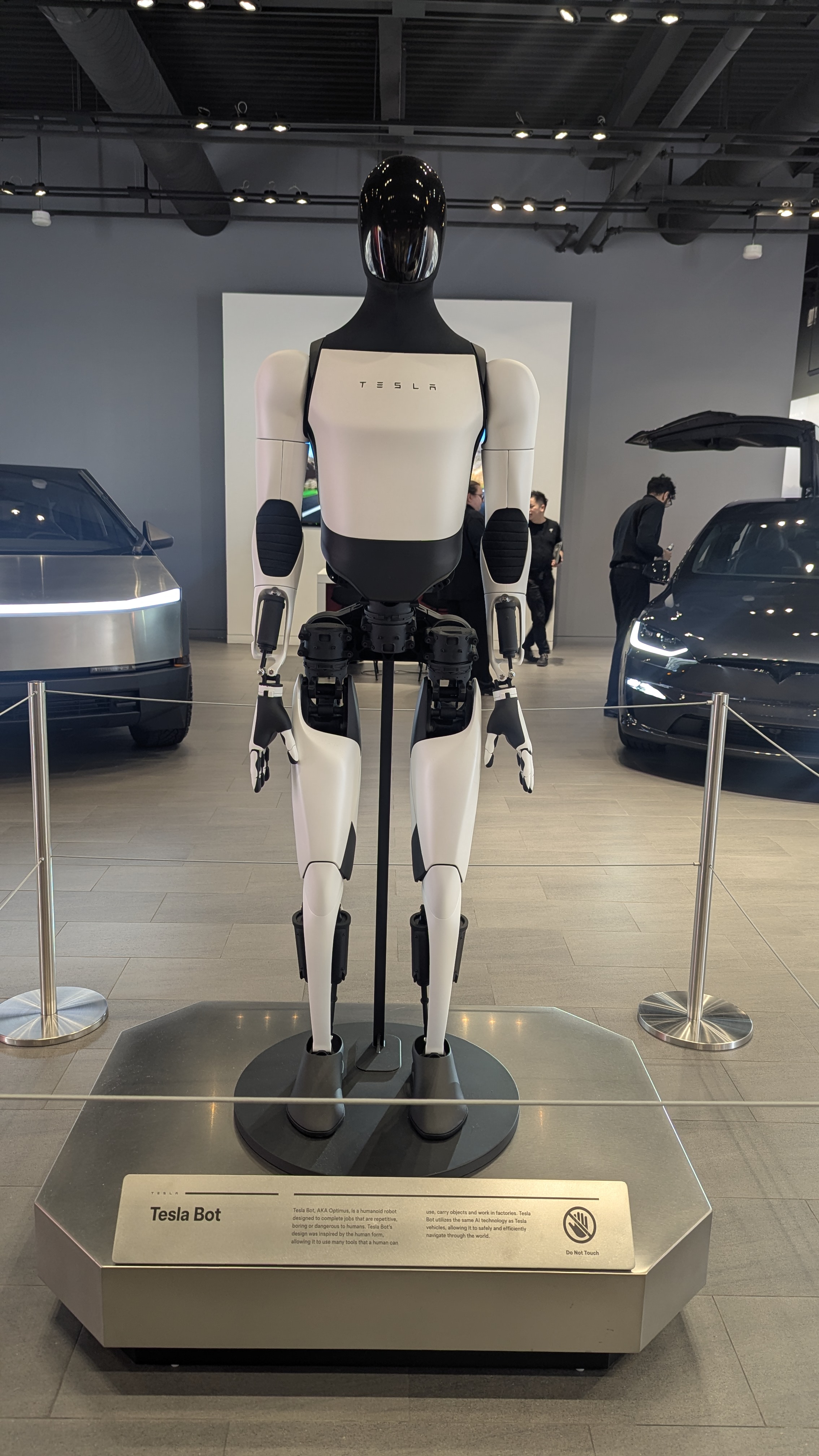
GOOD NEWS 🤖 According to exclusive report by MarketsandMarkets™, the humanoid robot market is projected to skyrocket from $5.41 billion in 2026 to $50.27 billion by 2035—compounding at a massive 28.1% annually 📈 With Optimus in mass production by the end of this year, Tesla…
— Ming link
. Companies are seeing significant interest, with pre-orders overwhelming websites and nursing homes actively seeking business-to-business contracts for pilot programs, signaling a tangible shift in elder care infrastructure
2 days ago, we launched our caretaker robot for seniors. here are my observations: we got so many pre-orders that our website broke. the more interesting fact: a lot of nursing homes also reached out asking for B2B contracts. we're lining up huge pilots, and some are even…
— Audrey link
.
The 'Abi' Effect: Companionship in Code
Robots like Abi, which have already been piloted in US senior care homes, exemplify the tangible progress in this field
Abi, the humanoid robot that's piloting in US senior care homes, was born out of the COVID-19 pandemic. Grace Brown started developing the colorful and compact AI robot to cope with isolation during COVID-19 lockdowns while studying mechatronics engineering at the University of…
— Mike Kalil link
. Developed partly as a response to the isolation experienced during the COVID-19 pandemic, Abi is more than just a machine; it's an 'emotional companion robot' capable of conversation, playing music, running games, and even remembering residents to build ongoing relationships
BREAKING: Andromeda Robotics brings Abi, an emotional companion robot, to the US after 2 years in Australian care homes. • Talks, plays music, runs games, leads group sessions • Remembers residents and builds ongoing relationships • Helps offset care home staffing shortages…
— Ritwik Pavan link
. This focus on emotional engagement and memory is crucial for combating loneliness in elder care, a significant challenge exacerbated by staffing shortages. The fact that Abi's development stemmed from a personal need during lockdowns highlights the human-centric driver behind this technological advancement, aiming to fill voids that human resources alone cannot currently bridge.
Market Surge: From Billions to Tens of Billions
The economic forecast for the humanoid robot market is nothing short of explosive. Projections estimate a leap from $5.41 billion in 2026 to a staggering $50.27 billion by 2035, growing at an annual compound rate of 28.1%
GOOD NEWS 🤖 According to exclusive report by MarketsandMarkets™, the humanoid robot market is projected to skyrocket from $5.41 billion in 2026 to $50.27 billion by 2035—compounding at a massive 28.1% annually 📈 With Optimus in mass production by the end of this year, Tesla…
— Ming link
. This isn't speculative growth; it's a direct response to a pressing global need. Companies are already experiencing overwhelming demand, with one startup reporting website crashes due to an influx of pre-orders and significant interest from nursing homes for B2B contracts and pilot programs
2 days ago, we launched our caretaker robot for seniors. here are my observations: we got so many pre-orders that our website broke. the more interesting fact: a lot of nursing homes also reached out asking for B2B contracts. we're lining up huge pilots, and some are even…
— Audrey link
. This indicates that the adoption curve is steepening, moving beyond early adopters to mainstream institutional use. The mention of Tesla's Optimus entering mass production by the end of the year further signals the imminent scalability of these advanced robotic systems.
Beyond Assistance: The Strategic Imperative
China's formal policy isn't just about adopting new technology; it's a strategic move to address a demographic crisis and labor shortage head-on. As global populations age and birth rates decline in many developed nations, the demand for elder care services is set to skyrocket, far outpacing the available human workforce. Humanoid robots offer a scalable, consistent, and increasingly sophisticated solution. They can perform routine tasks, provide companionship, assist with mobility, and monitor vital signs, freeing up human caregivers for more complex or empathetic roles. This policy formalizes government support for R&D, manufacturing, and deployment, signaling a national commitment to integrating robotics into the fabric of elder care infrastructure.
Common mistakes
- Assuming robots are purely for physical tasks.
The development of 'emotional companion robots' like Abi highlights a focus on psychological and social well-being, not just physical aid, which is a critical differentiator in elder care. - Viewing this as a distant future possibility.
China's formal policy and the existing deployments of robots like Abi in care homes demonstrate that this technology is already being implemented and rapidly advancing, not a far-off sci-fi concept. - Underestimating the market's growth potential.
The projected market surge from $5.41 billion to $50.27 billion by 2035 underscores the massive economic and societal investment and demand already present for these solutions.
BREAKING: Andromeda Robotics brings Abi, an emotional companion robot, to the US after 2 years in Australian care homes. • Talks, plays music, runs games, leads group sessions • Remembers residents and builds ongoing relationships • Helps offset care home staffing shortages…
— Ritwik Pavan link
. This proactive approach from a major nation highlights the urgency and practicality of robotic solutions, making it imperative for other countries and individuals to prepare for this technological wave in caregiving.
Frequently asked
Are humanoid robots capable of providing emotional support?
Yes, robots like Abi are specifically designed to act as 'emotional companion robots.' They can engage in conversations, play music, run games, and even learn to remember residents' personal details, fostering a sense of ongoing relationship and combating loneliness.
How significant is the market growth for humanoid robots?
The humanoid robot market is projected to skyrocket from $5.41 billion in 2026 to $50.27 billion by 2035, growing at an impressive annual rate of 28.1%. This rapid expansion indicates a strong and urgent demand for these technologies, particularly in sectors like elder care.
What is China's role in this development?
China has formalized a national policy to significantly boost the research, development, and deployment of humanoid robots specifically for elderly care. This signals a strategic governmental commitment to leveraging robotics to address demographic challenges and staffing shortages.
Sources


More from Technology & Aging → · Back to Perch · Browse all stories