
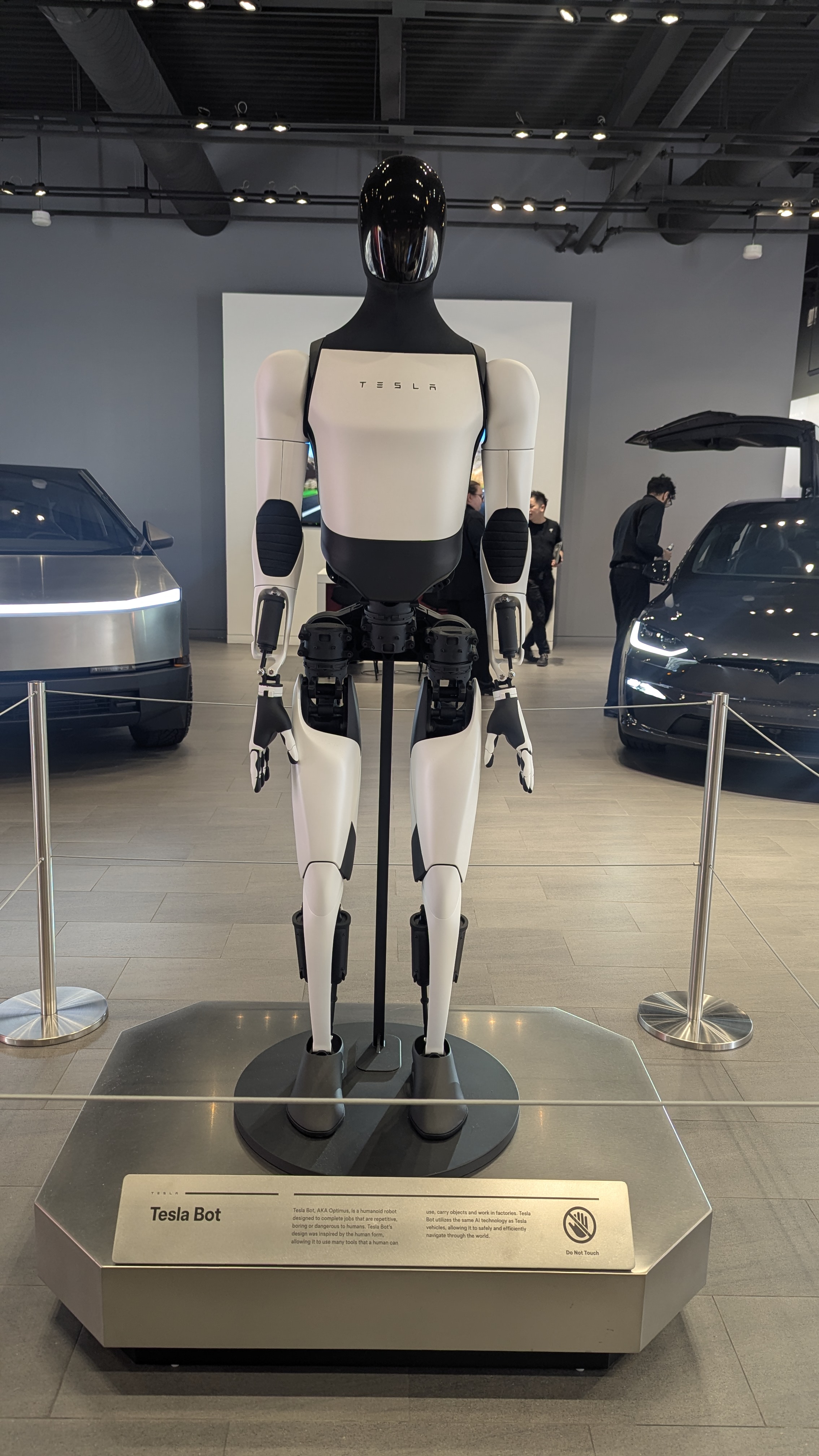
Robots Aren't Just for Factories: They're Coming for Your Parents' Care
The $3.56 billion eldercare robot market is poised to disrupt traditional senior care, offering a technological fix for a deepening caregiver crisis.
The direct answer
The eldercare robot market is projected to reach a staggering $3.56 billion by 2026
$VELO : Lake Street - Strong beat with GM rebounding, RPS traction continues; 2026 still set to be inflection year; reiterating buy rating and raising PT to $20
— Tut C🅰️pital link
, a figure that signals a seismic shift away from traditional, human-centric senior care models. This isn't about science fiction; it's about addressing the stark reality of a growing elderly population and a shrinking pool of qualified caregivers. Companies are pouring investment into developing robots capable of assisting with daily tasks, monitoring health, and providing companionship, aiming to fill the critical gaps left by workforce shortages. This technological infusion promises to not only alleviate pressure on existing care facilities but also to fundamentally alter the economic equation of senior living, potentially making quality care more accessible and affordable. The industry's rapid expansion suggests a future where robotic assistance is as common in eldercare settings as it is on manufacturing floors
$VELO : Lake Street - Strong beat with GM rebounding, RPS traction continues; 2026 still set to be inflection year; reiterating buy rating and raising PT to $20
— Tut C🅰️pital link
.
The Data Doesn't Lie: A Market in Overdrive
The eldercare robot market is experiencing exponential growth, with projections hitting $3.56 billion by 2026
$VELO : Lake Street - Strong beat with GM rebounding, RPS traction continues; 2026 still set to be inflection year; reiterating buy rating and raising PT to $20
— Tut C🅰️pital link
. This isn't a niche sector; it's a burgeoning industry responding to a critical societal need. Companies are seeing significant traction, with some demonstrating strong financial performance and optimistic outlooks for future growth, indicating investor confidence in this sector's potential
$VELO : Lake Street - Strong beat with GM rebounding, RPS traction continues; 2026 still set to be inflection year; reiterating buy rating and raising PT to $20
— Tut C🅰️pital link
. This surge reflects a fundamental economic pressure point: the demand for eldercare is rising sharply due to aging populations, while the supply of human caregivers struggles to keep pace. The market’s expansion suggests that technological solutions are no longer a futuristic concept but an immediate necessity, poised to reshape the economics of how we care for our seniors.
Bridging the Caregiver Chasm
The most compelling driver for eldercare robotics is the profound and persistent caregiver shortage. Reports highlight critical staffing gaps in nursing homes and home care agencies, leading to increased waitlists and reduced quality of care [c2]. Robots are being developed to perform tasks ranging from medication reminders and mobility assistance to companionship and remote monitoring, thereby augmenting the capabilities of human caregivers. This isn't about replacing human interaction entirely, but about providing support where human resources are stretched thin. The goal is to ensure that seniors receive consistent attention and assistance, even when human staff are overwhelmed or unavailable, effectively mitigating the impact of workforce deficits [c3].
Reshaping the Economics of Aging
The economic implications of the eldercare robot market are vast. Traditional senior care models are often expensive and resource-intensive. By automating certain tasks and improving efficiency, robots have the potential to lower operational costs for care facilities and, in turn, make care more affordable for families [c4]. This could democratize access to quality eldercare, moving it beyond the reach of only the wealthiest. Furthermore, the integration of robots can optimize resource allocation, allowing human caregivers to focus on more complex, emotionally nuanced aspects of care that machines cannot replicate. This symbiotic relationship between human and machine promises a more sustainable and economically viable future for senior care [c5].
Common mistakes
- Assuming robots will completely replace human caregivers.
The current development and market strategy for eldercare robots emphasize augmentation, not replacement. They are designed to support, not supplant, human interaction, addressing shortages and enhancing efficiency rather than eliminating human roles. - Focusing solely on the technological novelty without addressing ethical concerns.
While the article highlights market growth and economic benefits, it's crucial to acknowledge the ethical considerations surrounding robotic care, such as data privacy, the potential for social isolation if not implemented thoughtfully, and the need for human oversight. - Underestimating the cost and complexity of widespread robot adoption.
The initial investment and ongoing maintenance of sophisticated eldercare robots can be substantial. Widespread adoption will depend on reducing these costs and ensuring ease of use and integration into existing healthcare systems and home environments.
$VELO : Lake Street - Strong beat with GM rebounding, RPS traction continues; 2026 still set to be inflection year; reiterating buy rating and raising PT to $20
— Tut C🅰️pital link
isn't just a number; it's a testament to the urgent need for scalable solutions. While the idea of robots caring for our loved ones might evoke unease, the current system is demonstrably failing many. This technological pivot, driven by necessity, offers a pragmatic path to ensuring dignified and supported aging, even as the human caregiver pool dwindles.
Frequently asked
Will eldercare robots eliminate the need for human caregivers?
No, the primary goal of eldercare robots is to augment human care, not replace it. They are designed to assist with routine tasks, provide monitoring, and fill gaps caused by caregiver shortages, allowing human caregivers to focus on more complex and empathetic aspects of care.
What types of tasks can eldercare robots perform?
Eldercare robots can perform a range of tasks, including medication reminders, mobility assistance, fall detection, remote monitoring of vital signs, facilitating communication with family, and providing companionship through interactive features.
How much do eldercare robots cost?
The cost of eldercare robots varies widely depending on their capabilities and sophistication, ranging from a few thousand dollars for simpler monitoring devices to tens of thousands for advanced humanoid robots. The market is still evolving, with costs expected to decrease as technology advances and production scales up [c1].
Sources


More from Technology & Society → · Back to Perch · Browse all stories