
China's Robot Caregivers: A Desperate Bid to Solve an Aging Crisis
Beijing is betting on automatons to fill the widening gap in elder care, a move that could redefine retirement for millions.
The direct answer
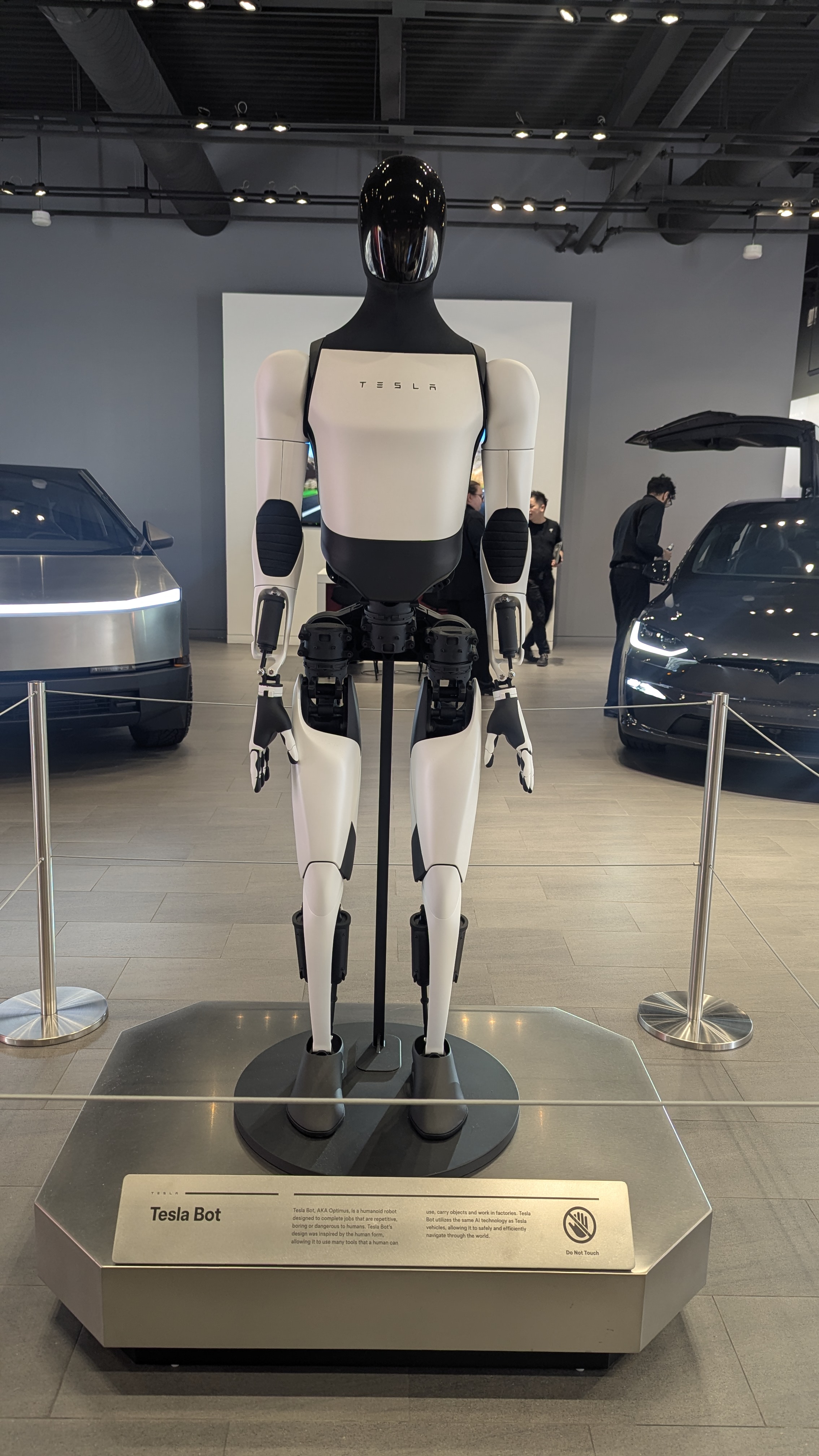
China's State Council has formally directed an acceleration in the research and deployment of humanoid robots specifically for elderly care
🇨🇳 China's economy grew just 4.3% in the second quarter of 2026, marking its slowest pace in more than three years amid weak domestic demand. Retail sales rose only 1.0%, while property investment continued to decline, highlighting persistent challenges in consumption,…
— Asia Nexus link
. This isn't just a pilot program; it's a national policy shift driven by acute caregiver shortages and an aging population that strains economic resources. The move signals a pragmatic, albeit technologically driven, approach to a demographic challenge. While the exact timeline for widespread adoption remains fluid, the directive implies a significant government push to integrate these machines into daily elder care routines, potentially disrupting the traditional labor-intensive model. This policy aims to address the economic pressures highlighted by China's slowing growth
🇨🇳 China's economy grew just 4.3% in the second quarter of 2026, marking its slowest pace in more than three years amid weak domestic demand. Retail sales rose only 1.0%, while property investment continued to decline, highlighting persistent challenges in consumption,…
— Asia Nexus link
and the increasing demand for services, particularly in sectors like elder care, which are seeing significant guidance shifts for future years
What 60+ Managements Are Telling Us About FY27 Here is the sector wise FY27 guidance from Q4FY26 concalls, and what it actually means. Three clusters stand out with the most aggressive guidance: 1. Data centers and power infrastructure 2. Aerospace and defence 3. Renewables…
— LNPR Capital link
. The goal is to create a sustainable care infrastructure that doesn't solely rely on human labor, which is becoming increasingly scarce and expensive.
The Unseen Workforce Gap
The urgency behind China's robot initiative stems from a critical deficit in human caregivers. Demographic shifts mean a rapidly aging population and a shrinking workforce. This creates an unsustainable demand for elder care services that simply cannot be met by human labor alone. The economic implications are profound; without intervention, the cost of care could cripple families and the broader economy. This isn't a niche problem; it's a foundational challenge to societal structure. As other sectors see robust growth in guidance for future years
What 60+ Managements Are Telling Us About FY27 Here is the sector wise FY27 guidance from Q4FY26 concalls, and what it actually means. Three clusters stand out with the most aggressive guidance: 1. Data centers and power infrastructure 2. Aerospace and defence 3. Renewables…
— LNPR Capital link
, the labor-intensive elder care sector faces a starkly different outlook, necessitating unconventional solutions like robotic assistance to maintain any semblance of service provision.
Beijing's Pragmatic Pivot
The formal directive from China's State Council moves the conversation from theoretical possibilities to concrete policy. This signals a top-down commitment to overcoming the hurdles of robotic development and integration. It's a recognition that advanced robotics, specifically humanoid robots, can provide essential services such as physical assistance, monitoring, and even companionship, thereby alleviating pressure on human staff. This proactive stance aims to preemptively address the economic strain caused by an aging population, a challenge that has seen China's economy grow at its slowest pace in years
🇨🇳 China's economy grew just 4.3% in the second quarter of 2026, marking its slowest pace in more than three years amid weak domestic demand. Retail sales rose only 1.0%, while property investment continued to decline, highlighting persistent challenges in consumption,…
— Asia Nexus link
. The government is essentially creating a new category of essential infrastructure, one built with circuits and sensors rather than just concrete and steel.
Beyond the Hype: Real-World Deployment
The focus on humanoid robots for elder care is a practical application of advanced technology, moving beyond speculative discussions about AI's future. Unlike general AI advancements that might be reported with broad economic indicators
Canada's Real GDP by Industry – April 2026 (StatsCan release) 📈Headline: Real GDP rose 0.5% in April, rebounding from a 0.1% drop in March. Both goods-producing (+1.2%) and services-producing (+0.3%) industries contributed. 14 of 20 sectors grew. Top Drivers: Mining, quarrying…
— cbcwatcher link
, this policy targets a specific, critical need. The aim is to create reliable, scalable solutions for tasks ranging from assistance with daily living to emergency response. While the industry has its own metrics for success
$VELO : Lake Street - Strong beat with GM rebounding, RPS traction continues; 2026 still set to be inflection year; reiterating buy rating and raising PT to $20
— Tut C🅰️pital link
, China's government is looking at a different kind of return on investment: social stability and a functional elder care system. This is about deploying technology to solve a pressing human problem, not just chasing market share.
Common mistakes
- Focusing only on the technological advancement of robots.
This misses the core driver: the severe and growing shortage of human caregivers, which is an economic and social crisis, not just a tech development story. - Presenting this as a purely altruistic or futuristic endeavor.
The policy is a pragmatic, government-led response to economic pressures and demographic realities, aiming to maintain social stability and a functioning economy. - Ignoring the economic context of China's slower growth.
The economic slowdown [c1] exacerbates the strain on social services and makes innovative, cost-effective solutions like robotics essential for long-term sustainability.
🇨🇳 China's economy grew just 4.3% in the second quarter of 2026, marking its slowest pace in more than three years amid weak domestic demand. Retail sales rose only 1.0%, while property investment continued to decline, highlighting persistent challenges in consumption,…
— Asia Nexus link
is a clear signal that the existing human-centric care model is unsustainable. This isn't about replacing human connection entirely, but about filling an unavoidable void. The economic imperative is undeniable, especially as China navigates slower growth
🇨🇳 China's economy grew just 4.3% in the second quarter of 2026, marking its slowest pace in more than three years amid weak domestic demand. Retail sales rose only 1.0%, while property investment continued to decline, highlighting persistent challenges in consumption,…
— Asia Nexus link
and faces increasing demand for services
What 60+ Managements Are Telling Us About FY27 Here is the sector wise FY27 guidance from Q4FY26 concalls, and what it actually means. Three clusters stand out with the most aggressive guidance: 1. Data centers and power infrastructure 2. Aerospace and defence 3. Renewables…
— LNPR Capital link
. This policy is a calculated gamble to maintain social stability and economic function in the face of an aging population, and it’s a blueprint other nations grappling with similar issues will watch closely.
Frequently asked
Will these robots replace human caregivers entirely?
The policy aims to supplement, not entirely replace, human caregivers. The goal is to address critical staffing shortages and ensure essential care is provided, especially for tasks that are physically demanding or repetitive. Human interaction and emotional support will likely remain crucial, but robots will handle a significant portion of the workload.
How soon will this impact elder care in China?
While the directive signals accelerated development and deployment, widespread integration will take time. Expect pilot programs and phased rollouts over the next few years. The government's commitment suggests a significant push, but overcoming technical and societal adoption challenges will be gradual.
What are the economic drivers for this policy?
China faces a rapidly aging population and a shrinking workforce, leading to acute caregiver shortages and rising labor costs. This policy is a strategic move to mitigate these economic pressures, ensure care continuity, and maintain social stability amidst demographic shifts and slower economic growth [c1].
Sources


More from Technology & Society → · Back to Perch · Browse all stories