
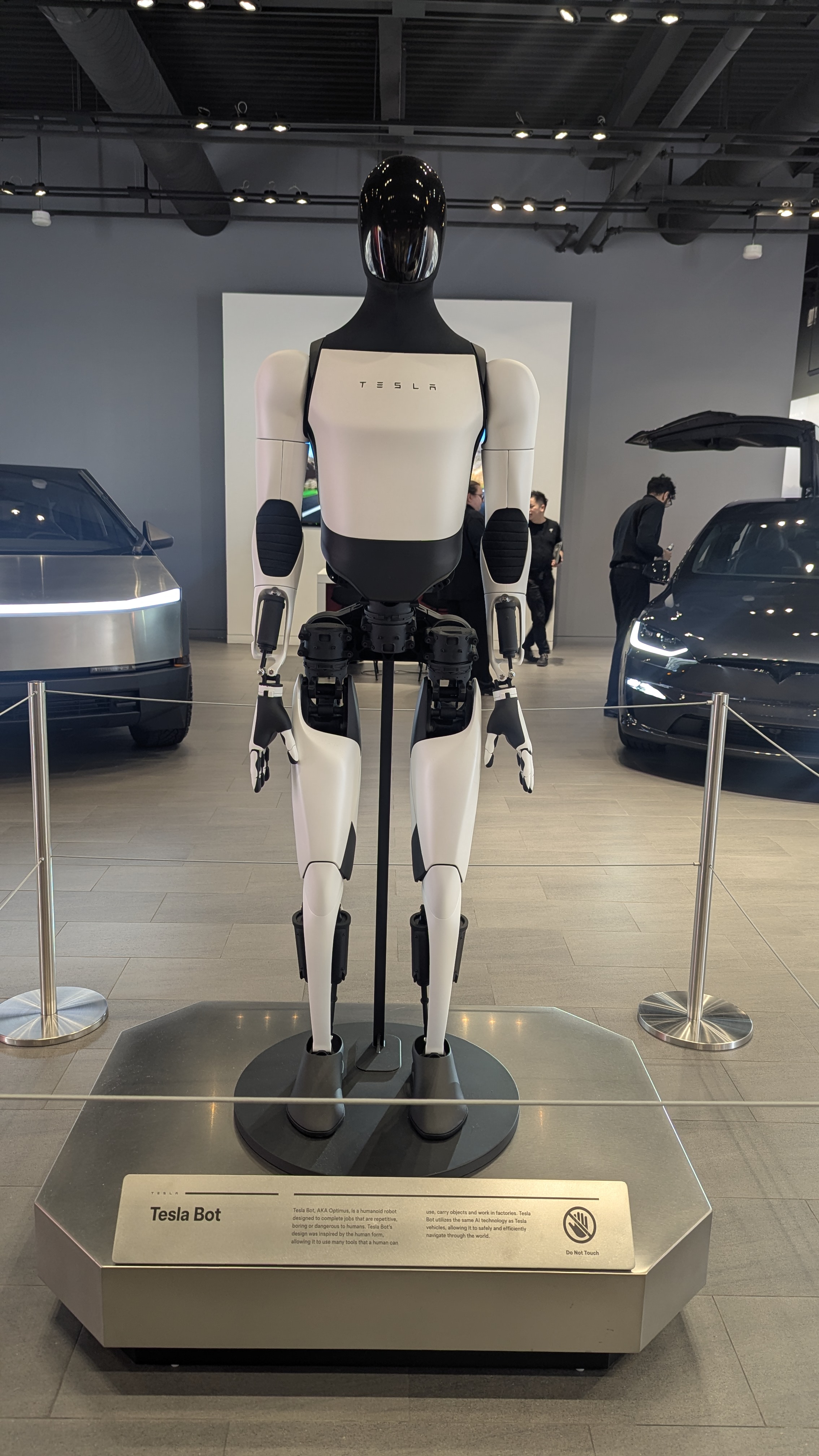
China's Robot Caregivers Are Coming: Who Pays for This Aging Revolution?
Forget sci-fi novelties; Beijing's national policy is ushering in a new era of elder assistance, and the implications for global care models are profound.
The direct answer
Mainstream coverage often frames China's push for humanoid robots in elder care as a futuristic novelty. However, a closer look reveals a deliberate national policy shift, driven by a rapidly aging population and a severe labor shortage
"Authorities intend to boost the research and development of such robots, as well as brain-computer interfaces and artificial intelligence, to support elderly care across the country, the State Council said in a directive issued on Tuesday, making China among the first countries to formalise such a policy on the use of robotics."
. The State Council has formalized a directive to boost R&D in robotics, AI, and brain-computer interfaces specifically for elderly care
"In response to the growing challenges posed by an aging population, China has unveiled plans to incorporate humanoid robots into its elderly care services. This initiative, announced by the Chinese State Council on Tuesday, is part of broader policy measures aimed at harnessing advanced technologies to address the country's aging demographics."
. This isn't about keeping up with the Joneses; it's a strategic move to address a critical demographic challenge
"China has launched a pilot programme aimed at accelerating the deployment of robots to alleviate the pressure of elderly care, as the nation grapples with a rapidly ageing population and a labour shortage."
. China is among the first nations to formally integrate such robotics into a national strategy, aiming to alleviate pressure on its dwindling workforce and provide care for its growing elderly population [c1, c4]. The initiative is also tied to Beijing's broader industrial policy goals, promoting advanced manufacturing alongside elder care solutions
"Beijing is dramatically pushing eldercare robots as part of its national development plans to promote advanced manufacturing."
. The real question isn't *if* these robots will be deployed, but how quickly, at what cost, and who will ultimately bear the financial burden.
The Demographic Time Bomb and the Robot Solution
China faces a demographic cliff: a rapidly aging population coupled with a declining birth rate and a shrinking workforce. By 2050, over 30% of China's population is projected to be over 60. Traditional care models, reliant on human caregivers, are already strained and will become unsustainable
"Authorities intend to boost the research and development of such robots, as well as brain-computer interfaces and artificial intelligence, to support elderly care across the country, the State Council said in a directive issued on Tuesday, making China among the first countries to formalise such a policy on the use of robotics."
. The government's directive to boost robotics, AI, and brain-computer interfaces for elder care isn't a whimsical experiment; it's a direct response to this impending crisis [c3, c4]. A pilot program has already been launched to accelerate robot deployment, aiming to fill critical gaps in care provision
"China has launched a pilot programme aimed at accelerating the deployment of robots to alleviate the pressure of elderly care, as the nation grapples with a rapidly ageing population and a labour shortage."
. This policy is a pragmatic, if stark, acknowledgment that human labor alone cannot meet the future demands of elder care.
Beyond Novelty: A Policy-Driven Integration
The narrative of robots as mere futuristic novelties is precisely what China's policy seeks to disrupt. The State Council's directive
"Authorities intend to boost the research and development of such robots, as well as brain-computer interfaces and artificial intelligence, to support elderly care across the country, the State Council said in a directive issued on Tuesday, making China among the first countries to formalise such a policy on the use of robotics."
elevates these machines from speculative tech to integral components of national elder care infrastructure. This isn't about a few companies trying to sell gadgets; it's a coordinated national effort, making China one of the first countries to formalize such a policy
"Authorities intend to boost the research and development of such robots, as well as brain-computer interfaces and artificial intelligence, to support elderly care across the country, the State Council said in a directive issued on Tuesday, making China among the first countries to formalise such a policy on the use of robotics."
. The push is also strategically linked to China's broader industrial policy, aiming to advance its high-tech manufacturing sector by creating a massive domestic market for robotics
"Beijing is dramatically pushing eldercare robots as part of its national development plans to promote advanced manufacturing."
. This dual focus means rapid development and deployment, moving beyond R&D labs into actual elder care facilities with government backing.
Who Foots the Bill? The Economic Equation
While the policy mandates development, the actual cost of widespread robot deployment in elder care remains a significant question. Will this be a publicly funded initiative, a subsidized service, or will the burden fall on families? The sheer scale of China's elderly population suggests that any mass deployment will require substantial investment, whether from state coffers or private households. For families, this could mean a new category of essential household expense, potentially rivaling or exceeding current healthcare costs. The industry's drive for 'utilization management' – a phrase that means roughly the same thing as 'no' to affordable options – suggests a future where access might be tiered, with significant costs for comprehensive care.
Common mistakes
- Framing robots as futuristic novelties.
This ignores China's explicit national policy and the urgent demographic need driving the deployment, treating a strategic imperative as mere science fiction. - Focusing only on the technology's capabilities.
The real story is the economic and social implications, particularly the cost and who bears it. The technology is a means to an end, not the end itself. - Presenting China's move in isolation.
This initiative is a bellwether for global trends in aging populations and labor shortages, setting a precedent that other nations will likely follow, making the economic model crucial.
"In response to the growing challenges posed by an aging population, China has unveiled plans to incorporate humanoid robots into its elderly care services. This initiative, announced by the Chinese State Council on Tuesday, is part of broader policy measures aimed at harnessing advanced technologies to address the country's aging demographics."
. This policy signifies a profound cultural and economic pivot, treating robots not as novelties but as essential infrastructure. The real story is about who pays for this massive technological and social reorientation, and how it will force other nations to confront similar challenges.
Frequently asked
Is China replacing human caregivers with robots?
Not entirely. The goal is to supplement human care, especially in areas facing severe labor shortages. Robots are intended to handle routine tasks like medication reminders, basic mobility assistance, and monitoring, freeing up human caregivers for more complex emotional and medical needs.
How much do these robots cost?
Costs vary widely depending on the model and services. While specific pricing for widespread deployment isn't public, government subsidies and pilot programs suggest a significant financial commitment from both the state and families. The industry's pricing models are still evolving.
Will other countries adopt similar policies?
It's highly probable. Many developed and developing nations face similar demographic challenges of aging populations and shrinking workforces. China's policy serves as a potential blueprint, demonstrating a government-led approach to integrating robotics into elder care infrastructure.
Sources


More from Technology & Society → · Back to Perch · Browse all stories