
Your Parents' Next Caregiver Might Be a Robot, and That's Not the Worst News
As human shortages bite, AI companions are stepping in to combat loneliness and provide daily aid to seniors. But are we ready for this brave new world?
The direct answer
The conventional wisdom might suggest that robots in elder care are a cold, impersonal intrusion. However, the reality is far more nuanced and driven by urgent necessity. Countries worldwide are deploying humanoid and companion robots to address critical caregiver shortages, a problem exacerbated by aging populations and a shrinking workforce. These robots, such as South Korea's Hyodol and the US's ElliQ, are designed not only to provide daily assistance with tasks but also to combat the profound loneliness many seniors experience
Abi, the humanoid robot that's piloting in US senior care homes, was born out of the COVID-19 pandemic. Grace Brown started developing the colorful and compact AI robot to cope with isolation during COVID-19 lockdowns while studying mechatronics engineering at the University of…
— Mike Kalil link
. For instance, Abi, a humanoid robot developed during the COVID-19 pandemic, was created to alleviate isolation
Abi, the humanoid robot that's piloting in US senior care homes, was born out of the COVID-19 pandemic. Grace Brown started developing the colorful and compact AI robot to cope with isolation during COVID-19 lockdowns while studying mechatronics engineering at the University of…
— Mike Kalil link
. The demand is so high that one caretaker robot's website crashed upon launch due to pre-orders, with nursing homes actively seeking business-to-business contracts and lining up pilot programs
2 days ago, we launched our caretaker robot for seniors. here are my observations: we got so many pre-orders that our website broke. the more interesting fact: a lot of nursing homes also reached out asking for B2B contracts. we're lining up huge pilots, and some are even…
— Audrey link
. This surge isn't just anecdotal; the humanoid robot market is projected to explode from $5.41 billion in 2026 to $50.27 billion by 2035, growing at an astonishing 28.1% annually
GOOD NEWS 🤖 According to exclusive report by MarketsandMarkets™, the humanoid robot market is projected to skyrocket from $5.41 billion in 2026 to $50.27 billion by 2035—compounding at a massive 28.1% annually 📈 With Optimus in mass production by the end of this year, Tesla…
— Ming link
. This technological wave is fundamentally reshaping how we approach elder care, moving beyond mere assistance to fostering connection in an increasingly isolated world.
The Humanoid Wave: Beyond a Helping Hand
The narrative around robots in senior care often conjures images of sterile, unfeeling machines. Yet, the robots entering this space are increasingly sophisticated, designed for emotional engagement and personalized interaction. Andromeda Robotics' Abi, for example, not only talks and plays music but also remembers residents and builds ongoing relationships, aiming to offset staffing shortages
BREAKING: Andromeda Robotics brings Abi, an emotional companion robot, to the US after 2 years in Australian care homes. • Talks, plays music, runs games, leads group sessions • Remembers residents and builds ongoing relationships • Helps offset care home staffing shortages…
— Ritwik Pavan link
. This goes beyond simple task completion; it's about companionship. The sheer volume of interest, with a caretaker robot's website crashing due to pre-orders and nursing homes clamoring for B2B contracts, indicates a deep-seated need being met by these technologies
2 days ago, we launched our caretaker robot for seniors. here are my observations: we got so many pre-orders that our website broke. the more interesting fact: a lot of nursing homes also reached out asking for B2B contracts. we're lining up huge pilots, and some are even…
— Audrey link
. This isn't a niche experiment; it's a burgeoning industry responding to palpable demand.
A Market Poised for Explosive Growth
The financial projections for humanoid robots in care settings are staggering. MarketsandMarkets™ forecasts the humanoid robot market to skyrocket from $5.41 billion in 2026 to a colossal $50.27 billion by 2035, compounding at an annual rate of 28.1%
GOOD NEWS 🤖 According to exclusive report by MarketsandMarkets™, the humanoid robot market is projected to skyrocket from $5.41 billion in 2026 to $50.27 billion by 2035—compounding at a massive 28.1% annually 📈 With Optimus in mass production by the end of this year, Tesla…
— Ming link
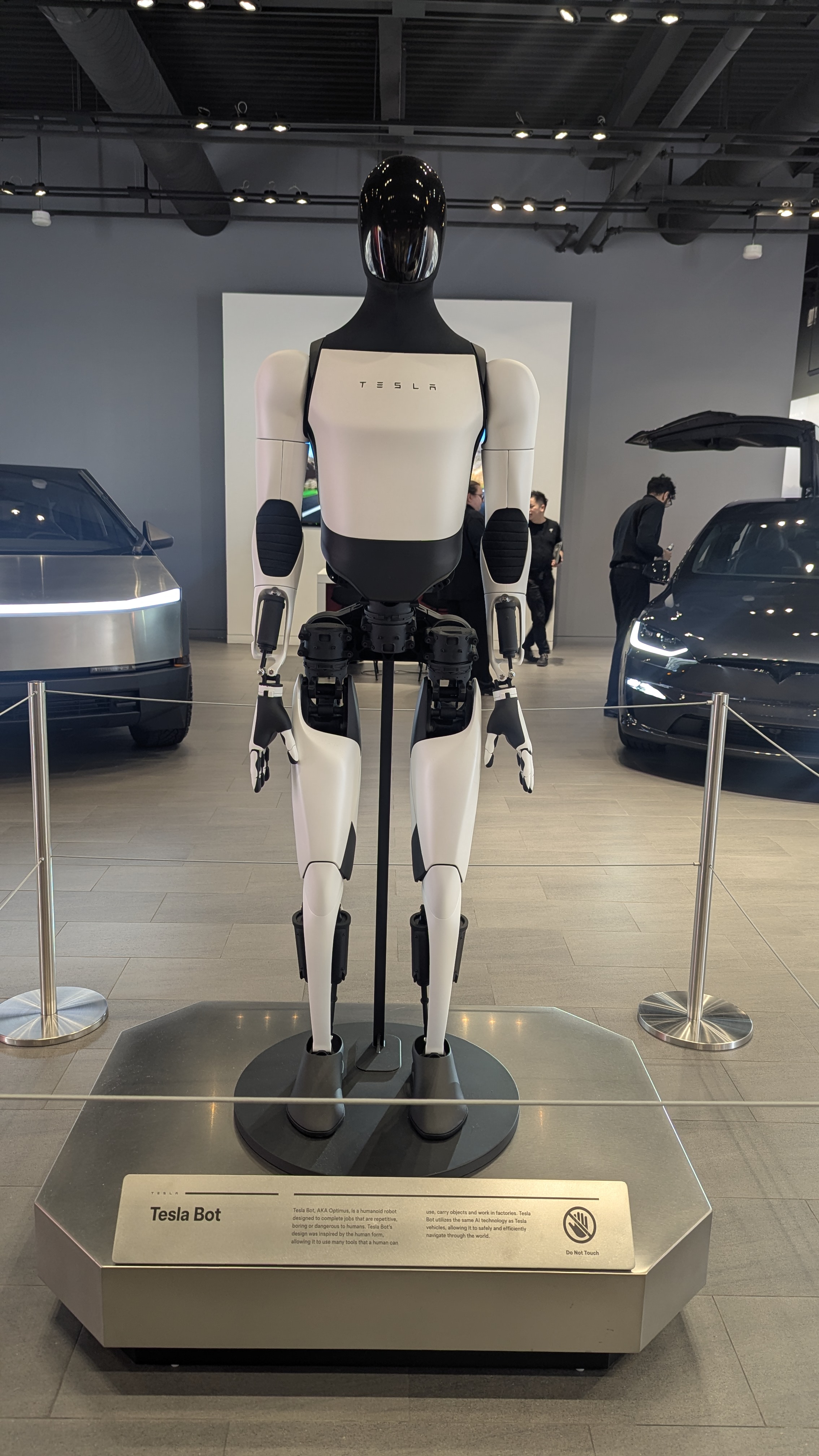
. This isn't speculative fiction; it's a market prediction based on current trends and anticipated adoption. Companies like Tesla, with its Optimus robot, are poised to enter mass production, further accelerating this growth
GOOD NEWS 🤖 According to exclusive report by MarketsandMarkets™, the humanoid robot market is projected to skyrocket from $5.41 billion in 2026 to $50.27 billion by 2035—compounding at a massive 28.1% annually 📈 With Optimus in mass production by the end of this year, Tesla…
— Ming link
. This massive financial influx suggests that beyond the immediate need for caregivers, there's a significant economic engine driving the development and deployment of these advanced robotic solutions.
Bridging the Loneliness Gap
One of the most compelling drivers for robot deployment in elder care is the fight against loneliness. The isolation experienced during COVID-19 lockdowns highlighted this issue, leading to the development of robots like Abi, designed specifically to combat isolation
Abi, the humanoid robot that's piloting in US senior care homes, was born out of the COVID-19 pandemic. Grace Brown started developing the colorful and compact AI robot to cope with isolation during COVID-19 lockdowns while studying mechatronics engineering at the University of…
— Mike Kalil link
. Companion robots offer a consistent presence, can initiate conversations, and engage seniors in activities, providing a form of social interaction that is often scarce in understaffed facilities. While not a replacement for human interaction, these robots can serve as a crucial bridge, offering comfort and engagement to individuals who might otherwise be left alone for extended periods.
Common mistakes
- Assuming robots are a perfect substitute for human care.
While robots can assist with tasks and provide companionship, they cannot replicate the empathy, nuanced understanding, and deep emotional connection that human caregivers offer. Over-reliance without a human touch could lead to a decline in the quality of emotional well-being for seniors. - Ignoring the digital divide and accessibility issues.
Not all seniors are comfortable with or have access to the technology required to interact with advanced robots. This could create a new form of inequality, where only tech-savvy or affluent seniors benefit from these advancements. - Focusing solely on technological advancement without addressing ethical concerns.
Questions around data privacy, the potential for over-dependence, and the ethical implications of forming 'relationships' with machines need thorough consideration and regulation, which are often outpaced by technological development.
Abi, the humanoid robot that's piloting in US senior care homes, was born out of the COVID-19 pandemic. Grace Brown started developing the colorful and compact AI robot to cope with isolation during COVID-19 lockdowns while studying mechatronics engineering at the University of…
— Mike Kalil link
, and the overwhelming market demand for companion bots
2 days ago, we launched our caretaker robot for seniors. here are my observations: we got so many pre-orders that our website broke. the more interesting fact: a lot of nursing homes also reached out asking for B2B contracts. we're lining up huge pilots, and some are even…
— Audrey link
underscore this point. The projected market growth to over $50 billion by 2035
GOOD NEWS 🤖 According to exclusive report by MarketsandMarkets™, the humanoid robot market is projected to skyrocket from $5.41 billion in 2026 to $50.27 billion by 2035—compounding at a massive 28.1% annually 📈 With Optimus in mass production by the end of this year, Tesla…
— Ming link
isn't just about bells and whistles; it's about filling an existential gap. We must ensure these technologies enhance, rather than replace, genuine human connection, and that accessibility doesn't become another barrier for those most in need.
Frequently asked
Can these robots replace human caregivers entirely?
No, not entirely. While robots can provide valuable assistance with daily tasks, medication reminders, and companionship, they cannot fully replicate the empathy, critical judgment, and deep emotional connection that human caregivers offer. They are intended to supplement, not supplant, human care.
What kind of assistance can these robots provide?
Companion and humanoid robots can help with medication management, exercise prompts, social interaction (conversation, games), communication with family, and environmental monitoring. Some advanced models can also assist with mobility or simple household tasks.
Are there privacy concerns with robots in elder care?
Yes, privacy is a significant concern. These robots often collect data on a senior's daily activities, health, and conversations. It's crucial that robust data protection measures and clear consent policies are in place to safeguard sensitive personal information.
Sources


More from Technology & Society → · Back to Perch · Browse all stories