
Your Parent's New Roommate Might Be a Robot, And That's Not a Bad Thing
Forget clunky automatons; advanced humanoid robots are quietly preparing to enter homes for elder care, tackling the looming caregiver crisis.
The direct answer
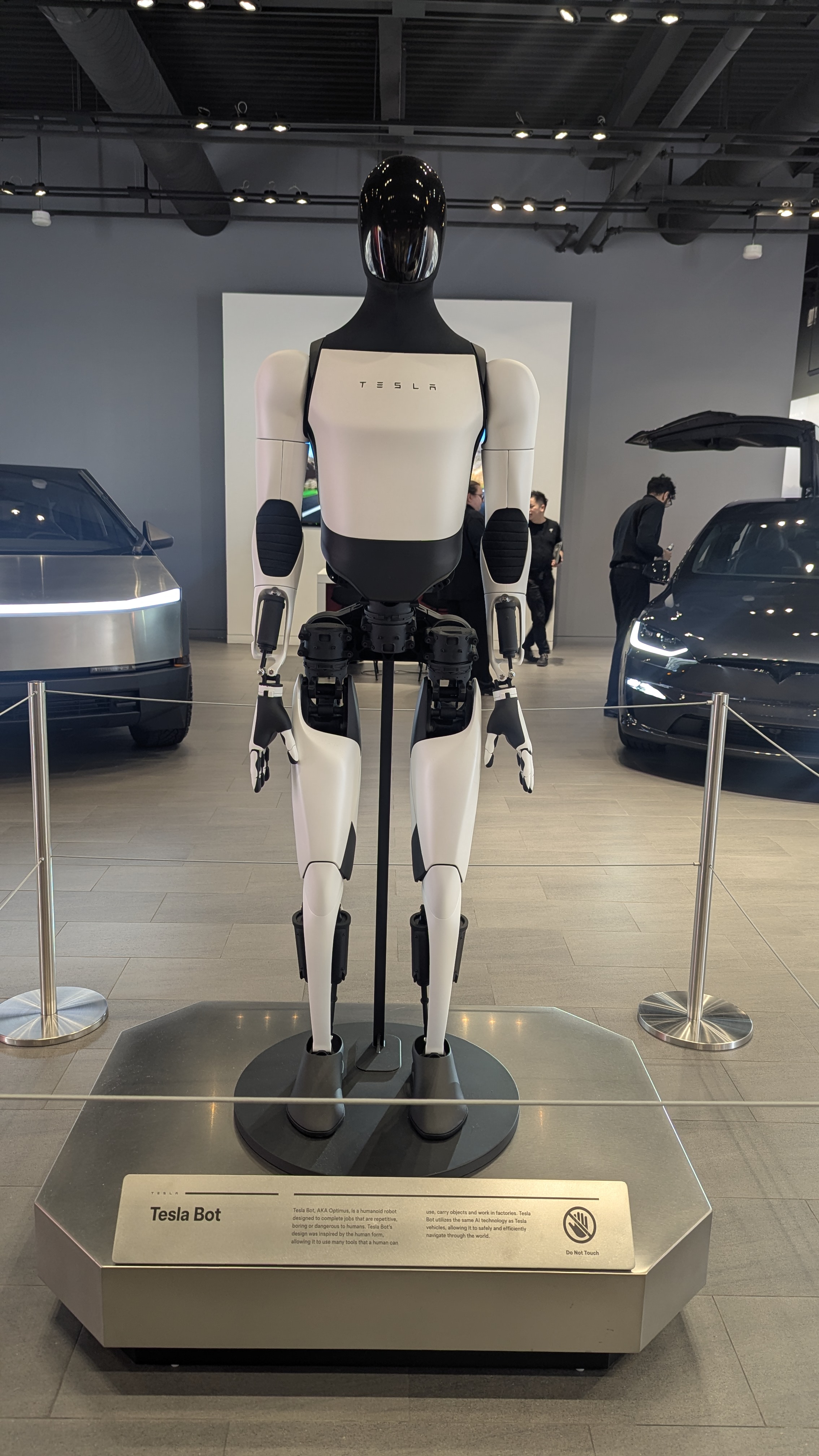
The notion of robots in elder care often conjures images of dystopian futures or sterile, impersonal machines. However, the reality unfolding is far more practical and promising. Advanced humanoid robots, like Andromeda Robotics' Abi, are transitioning from research labs to become active participants in senior living and home care
BREAKING: Andromeda Robotics brings Abi, an emotional companion robot, to the US after 2 years in Australian care homes. • Talks, plays music, runs games, leads group sessions • Remembers residents and builds ongoing relationships • Helps offset care home staffing shortages…
— Ritwik Pavan link
. These machines are designed to perform complex tasks, from offering companionship and leading activities to assisting with daily routines, directly addressing the escalating shortage of human caregivers. The market for humanoid robots is projected for explosive growth, anticipated to surge from $5.41 billion in 2026 to over $50 billion by 2035, growing at an annual rate of 28.1%
GOOD NEWS 🤖 According to exclusive report by MarketsandMarkets™, the humanoid robot market is projected to skyrocket from $5.41 billion in 2026 to $50.27 billion by 2035—compounding at a massive 28.1% annually 📈 With Optimus in mass production by the end of this year, Tesla…
— Ming link
. This isn't science fiction; pilot programs are already underway, with robots like Abi proving their worth in senior care homes by building relationships and offsetting staffing gaps
BREAKING: Andromeda Robotics brings Abi, an emotional companion robot, to the US after 2 years in Australian care homes. • Talks, plays music, runs games, leads group sessions • Remembers residents and builds ongoing relationships • Helps offset care home staffing shortages…
— Ritwik Pavan link
. Even a recently launched caretaker robot experienced website meltdowns due to pre-orders, with nursing homes expressing significant interest in B2B contracts, indicating a strong demand for these solutions
2 days ago, we launched our caretaker robot for seniors. here are my observations: we got so many pre-orders that our website broke. the more interesting fact: a lot of nursing homes also reached out asking for B2B contracts. we're lining up huge pilots, and some are even…
— Audrey link
. This technological evolution offers a tangible solution to a growing societal challenge, moving beyond theoretical discussions to practical, in-home support.
The Market Is Ready to Spend Billions on Robot Companions
Forget the idea that this is a niche or experimental market. The numbers are staggering: the humanoid robot sector is projected to skyrocket from $5.41 billion in 2026 to a colossal $50.27 billion by 2035, with an annual growth rate of 28.1%
GOOD NEWS 🤖 According to exclusive report by MarketsandMarkets™, the humanoid robot market is projected to skyrocket from $5.41 billion in 2026 to $50.27 billion by 2035—compounding at a massive 28.1% annually 📈 With Optimus in mass production by the end of this year, Tesla…
— Ming link
. This isn't just about industrial automation; it's about robots entering our homes. Consider the recent launch of a caretaker robot that saw its website buckle under the weight of pre-orders, a clear signal of consumer and institutional demand
2 days ago, we launched our caretaker robot for seniors. here are my observations: we got so many pre-orders that our website broke. the more interesting fact: a lot of nursing homes also reached out asking for B2B contracts. we're lining up huge pilots, and some are even…
— Audrey link
. Furthermore, nursing homes are actively seeking B2B contracts for these robots, indicating a strategic move by care facilities to integrate this technology to combat staffing shortages. This isn't a future possibility; it's a present-day market reality demanding attention and investment.
Robots Are Already Building Relationships in Care Homes
The narrative that robots lack the capacity for meaningful interaction in care settings is being actively dismantled. Robots like Abi, developed initially in response to COVID-19 isolation, are now piloting in US senior care homes, demonstrating an ability to go beyond basic tasks [c2, c4]. Abi is designed to engage residents through conversation, music, and games, and crucially, it remembers individuals and builds ongoing relationships. This emotional companionship is a key differentiator, directly addressing the isolation many seniors experience and offsetting the human caregiver shortage that plagues the industry
BREAKING: Andromeda Robotics brings Abi, an emotional companion robot, to the US after 2 years in Australian care homes. • Talks, plays music, runs games, leads group sessions • Remembers residents and builds ongoing relationships • Helps offset care home staffing shortages…
— Ritwik Pavan link
. The success of these pilots suggests that embodied AI is not just about physical assistance but also about providing a consistent, responsive presence that enhances the quality of life for residents.
The Caregiver Shortage is the Driving Force
The most compelling argument for the rapid adoption of humanoid robots in elder care is the undeniable and worsening shortage of human caregivers. This isn't a minor inconvenience; it's a systemic crisis impacting millions. The pandemic exacerbated existing issues, highlighting the vulnerability of our care infrastructure. Robots like Abi, born out of a need to cope with isolation, are now a direct solution to this staffing gap
Abi, the humanoid robot that's piloting in US senior care homes, was born out of the COVID-19 pandemic. Grace Brown started developing the colorful and compact AI robot to cope with isolation during COVID-19 lockdowns while studying mechatronics engineering at the University of…
— Mike Kalil link
. The fact that nursing homes are reaching out for B2B contracts for caretaker robots, and a recent launch saw overwhelming demand
2 days ago, we launched our caretaker robot for seniors. here are my observations: we got so many pre-orders that our website broke. the more interesting fact: a lot of nursing homes also reached out asking for B2B contracts. we're lining up huge pilots, and some are even…
— Audrey link
, speaks volumes about the pressure on existing facilities. This technological shift is not about replacing human touch but about ensuring that essential care is available when and where it's needed most, even if it means a robot is the one providing it.
Common mistakes
- Focusing solely on the technological marvel of robots.
The real story isn't just the robots themselves, but the severe caregiver shortage they are designed to address. Overemphasizing the tech without acknowledging the societal need misses the core driver of this market shift. - Portraying robots as a direct replacement for human empathy.
While robots can provide companionship and assistance, framing them as substitutes for genuine human connection is a misstep. The value lies in their ability to augment care and fill critical gaps, not to eliminate the need for human interaction entirely. - Ignoring the economic realities for families.
The cost of elder care is a major barrier. Highlighting the potential affordability of robot assistance compared to traditional human care is crucial for understanding its practical appeal to families.
BREAKING: Andromeda Robotics brings Abi, an emotional companion robot, to the US after 2 years in Australian care homes. • Talks, plays music, runs games, leads group sessions • Remembers residents and builds ongoing relationships • Helps offset care home staffing shortages…
— Ritwik Pavan link
. The overwhelming market projections and the immediate interest from care facilities underscore a pressing need that human resources alone cannot meet [c1, c3]. These robots are not replacements for human empathy, but sophisticated tools designed to augment care, alleviate burdens on overwhelmed staff, and provide consistent, reliable support. We should embrace these advancements as a vital step towards a more sustainable and compassionate future for elder care.
Frequently asked
Are humanoid robots truly capable of elder care tasks?
Yes, current advancements are enabling humanoid robots to perform a range of tasks, from medication reminders and fetching items to leading simple activities and providing conversational companionship. Robots like Abi are specifically designed for these roles, demonstrating success in senior care pilots [c2, c4].
How will robots impact the job market for caregivers?
The primary driver for robot adoption is the severe shortage of human caregivers. Robots are intended to augment, not replace, human staff by handling routine tasks, allowing human caregivers to focus on more complex needs and personal interaction. This integration aims to alleviate pressure on the existing workforce.
What is the projected cost of these robots for in-home use?
While exact consumer pricing is still emerging, the massive projected market growth suggests increasing accessibility. The significant interest from nursing homes for B2B contracts [c3] indicates a move towards scalable solutions, and the cost is generally anticipated to be competitive with, or lower than, long-term full-time human care.
Sources


More from Technology & Society → · Back to Perch · Browse all stories