
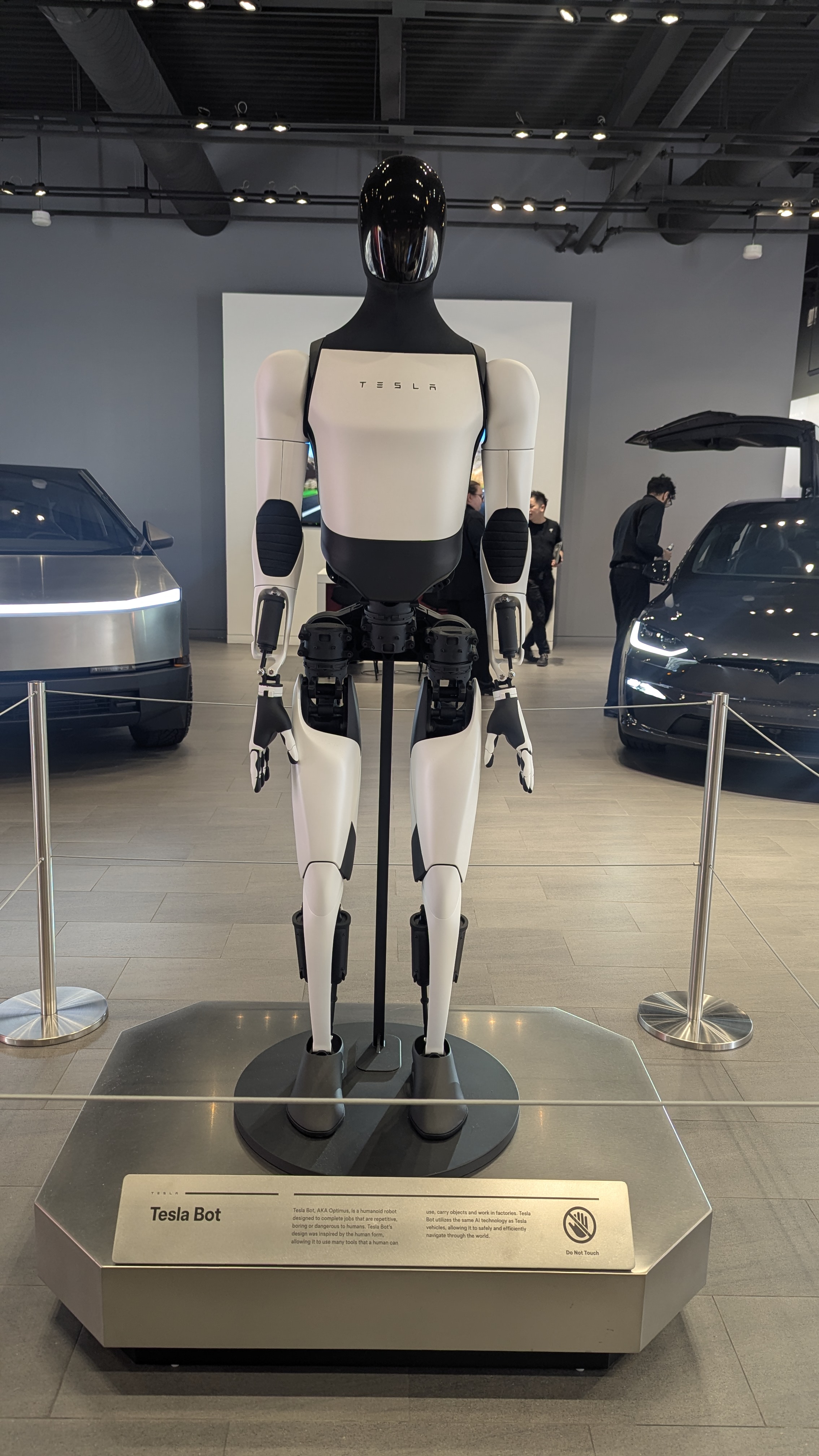
Robots Aren't Just Coming for Your Job, They're Coming for Your Grandma's Care
Beijing's elderly care robotics competition reveals a future where AI companions and assistants are rushing to fill critical gaps, and the market is already booming.
The direct answer
Forget the sci-fi doomsday scenarios; the real robot revolution is quietly unfolding in senior care facilities. The Beijing Smart Elderly Care Robotics Competition isn't just a showcase of futuristic tech; it's a stark indicator of urgent market needs. Companies are already seeing overwhelming demand, with one caretaker robot launch crashing its website due to pre-orders
2 days ago, we launched our caretaker robot for seniors. here are my observations: we got so many pre-orders that our website broke. the more interesting fact: a lot of nursing homes also reached out asking for B2B contracts. we're lining up huge pilots, and some are even…
— Audrey link
. Nursing homes are actively seeking business-to-business contracts, signaling a pragmatic adoption of these AI assistants to address critical care gaps
2 days ago, we launched our caretaker robot for seniors. here are my observations: we got so many pre-orders that our website broke. the more interesting fact: a lot of nursing homes also reached out asking for B2B contracts. we're lining up huge pilots, and some are even…
— Audrey link
. Robots like Abi, an emotional companion designed to talk, play music, and even remember residents, are moving from pilot programs in Australia to US care homes, directly tackling staffing shortages
BREAKING: Andromeda Robotics brings Abi, an emotional companion robot, to the US after 2 years in Australian care homes. • Talks, plays music, runs games, leads group sessions • Remembers residents and builds ongoing relationships • Helps offset care home staffing shortages…
— Ritwik Pavan link
. The development of these machines, born from pandemic isolation and engineering studies, highlights a proactive response to the growing elder population and a strained human workforce
Abi, the humanoid robot that's piloting in US senior care homes, was born out of the COVID-19 pandemic. Grace Brown started developing the colorful and compact AI robot to cope with isolation during COVID-19 lockdowns while studying mechatronics engineering at the University of…
— Mike Kalil link
. This isn't about replacing human connection entirely, but about augmenting care and providing companionship where it's most needed.
The Pre-Order Stampede: Proof of Urgent Need
The market response to new elder care robots is nothing short of explosive. One company reported its website crashing due to an overwhelming flood of pre-orders for its caretaker robot just two days after launch
2 days ago, we launched our caretaker robot for seniors. here are my observations: we got so many pre-orders that our website broke. the more interesting fact: a lot of nursing homes also reached out asking for B2B contracts. we're lining up huge pilots, and some are even…
— Audrey link
. This isn't just consumer enthusiasm; a significant portion of these inquiries came from nursing homes looking for business-to-business contracts, indicating a pressing institutional need. These facilities are actively seeking pilots and partnerships, signaling a pragmatic shift towards integrating robotics to alleviate staffing pressures and enhance resident care. The sheer volume of demand suggests that current human-centric care models are not just strained, but in many cases, failing to meet basic needs.
From Companionship to Care: A Robot's Journey
Humanoid robots are evolving beyond simple task execution to offer genuine companionship and emotional support. Take Abi, an emotional companion robot that has transitioned from Australian care homes to US pilots. Abi can engage residents in conversation, play music, run games, and even lead group sessions, crucially remembering individuals and building ongoing relationships
BREAKING: Andromeda Robotics brings Abi, an emotional companion robot, to the US after 2 years in Australian care homes. • Talks, plays music, runs games, leads group sessions • Remembers residents and builds ongoing relationships • Helps offset care home staffing shortages…
— Ritwik Pavan link
. This level of interaction is designed to combat loneliness and provide a consistent presence, a vital function given the persistent staffing shortages in the sector
BREAKING: Andromeda Robotics brings Abi, an emotional companion robot, to the US after 2 years in Australian care homes. • Talks, plays music, runs games, leads group sessions • Remembers residents and builds ongoing relationships • Helps offset care home staffing shortages…
— Ritwik Pavan link
. The development of such robots, like Abi's origin story rooted in pandemic isolation and mechatronics engineering studies
Abi, the humanoid robot that's piloting in US senior care homes, was born out of the COVID-19 pandemic. Grace Brown started developing the colorful and compact AI robot to cope with isolation during COVID-19 lockdowns while studying mechatronics engineering at the University of…
— Mike Kalil link
, highlights a proactive, albeit technologically driven, response to the human need for connection.
Beijing's Competition: A Bellwether for Global Care
The Beijing Smart Elderly Care Robotics Competition serves as a crucial barometer for the future of global elder care. It highlights the rapid advancements in humanoid robotics designed to assist seniors with a spectrum of needs, from mobility support and health monitoring to social interaction. The sheer fact that such a competition is gaining traction and attracting serious industry attention underscores the immense pressure on existing care systems. These robots are not merely experimental novelties; they represent a tangible investment in addressing the growing demographic of aging populations and the concurrent scarcity of human caregivers. The innovations showcased in Beijing are likely to set the pace for solutions adopted worldwide.
Common mistakes
- Focusing solely on the technological capabilities without addressing the underlying human care deficit.
The real story isn't just what robots can do, but why we're increasingly relying on them. This highlights the systemic underfunding and staffing crises in elder care that these robots are a symptom of, not a cure for. - Presenting the robots as a neutral technological advancement rather than an intervention driven by market forces and societal pressures.
The rapid adoption and pre-order success [c1] reveal a desperate market need. Framing this as simply 'progress' ignores the urgent human element and the potential for these solutions to mask deeper issues in care provision. - Failing to explore the ethical implications of AI companionship for vulnerable seniors.
While robots offer practical assistance, the emotional and psychological impact of replacing human interaction with programmed responses requires critical examination, especially for an audience concerned with genuine well-being.
BREAKING: Andromeda Robotics brings Abi, an emotional companion robot, to the US after 2 years in Australian care homes. • Talks, plays music, runs games, leads group sessions • Remembers residents and builds ongoing relationships • Helps offset care home staffing shortages…
— Ritwik Pavan link
, we must question the ethics of offloading human connection onto machines. The explosive demand and pre-order success
2 days ago, we launched our caretaker robot for seniors. here are my observations: we got so many pre-orders that our website broke. the more interesting fact: a lot of nursing homes also reached out asking for B2B contracts. we're lining up huge pilots, and some are even…
— Audrey link
indicate a market hungry for solutions, but also a desperate need that human caregivers are struggling to meet. The industry's narrative, often framed around innovation, conveniently sidesteps the underlying crisis of underpaid and overworked care professionals. We should be asking not just how robots can help, but how we can ensure human caregivers are supported, rather than sidelined, by this technological surge.
Frequently asked
Are these robots designed to replace human caregivers entirely?
The current focus is on augmenting human care, not replacing it. Robots are being developed to handle specific tasks like mobility assistance, health monitoring, and providing companionship [c2], thereby alleviating some of the burden on human staff and addressing critical shortages [c1].
How advanced is the emotional support capability of these robots?
Robots like Abi are programmed to engage in conversations, remember residents, and build ongoing relationships, offering a form of companionship [c2]. This is designed to combat loneliness and provide a consistent presence, though it's based on sophisticated AI and programming rather than genuine human emotion.
What is the market reception for these elder care robots?
The market reception has been overwhelmingly positive, with one caretaker robot launch experiencing website crashes due to an influx of pre-orders [c1]. Nursing homes are also actively seeking B2B contracts, indicating strong institutional demand alongside consumer interest.
Sources



More from Technology & Society → · Back to Perch · Browse all stories