
China's Robot Caregivers Are Coming, And They're Not Just for Sci-Fi Fans
Forget the sterile, dystopian future. Beijing's new directive signals a pragmatic pivot to AI companions for the elderly, a move that could redefine aging globally.
The direct answer
China has officially moved to accelerate the development and deployment of humanoid robots for elder care, a significant policy shift that moves the concept from science fiction to tangible government strategy
Abi, the humanoid robot that's piloting in US senior care homes, was born out of the COVID-19 pandemic. Grace Brown started developing the colorful and compact AI robot to cope with isolation during COVID-19 lockdowns while studying mechatronics engineering at the University of…
— Mike Kalil link
. This directive aims to address the growing needs of its aging population by incorporating robots capable of emotional companionship, health monitoring, and daily assistance. Such a formalized approach sets a global precedent, potentially influencing how other nations grapple with similar demographic challenges. The market for humanoid robots is already projected for explosive growth, from $5.41 billion in 2026 to a staggering $50.27 billion by 2035, growing at a compound annual rate of 28.1%
GOOD NEWS 🤖 According to exclusive report by MarketsandMarkets™, the humanoid robot market is projected to skyrocket from $5.41 billion in 2026 to $50.27 billion by 2035—compounding at a massive 28.1% annually 📈 With Optimus in mass production by the end of this year, Tesla…
— Ming link
. This isn't a distant dream; companies are already piloting AI companions like Abi in senior care homes in the US, which can engage residents in conversation, play music, and even help offset staffing shortages
BREAKING: Andromeda Robotics brings Abi, an emotional companion robot, to the US after 2 years in Australian care homes. • Talks, plays music, runs games, leads group sessions • Remembers residents and builds ongoing relationships • Helps offset care home staffing shortages…
— Ritwik Pavan link
.
The Unseen Workforce: More Than Just a Helping Hand
The ambition behind China's policy extends beyond simple physical assistance. These humanoid robots are being designed for nuanced roles, including providing emotional companionship and sophisticated health monitoring. Robots like Abi, which has been in Australian care homes for two years, are already demonstrating capabilities such as engaging residents in conversation, playing music, running games, and building ongoing relationships
BREAKING: Andromeda Robotics brings Abi, an emotional companion robot, to the US after 2 years in Australian care homes. • Talks, plays music, runs games, leads group sessions • Remembers residents and builds ongoing relationships • Helps offset care home staffing shortages…
— Ritwik Pavan link
. This focus on emotional and social engagement is crucial for combating the isolation often experienced by the elderly. The development of such robots, like Abi, was partly spurred by the need to address isolation during the COVID-19 pandemic
Abi, the humanoid robot that's piloting in US senior care homes, was born out of the COVID-19 pandemic. Grace Brown started developing the colorful and compact AI robot to cope with isolation during COVID-19 lockdowns while studying mechatronics engineering at the University of…
— Mike Kalil link
. This highlights a growing understanding that care involves more than just physical tasks; it requires a degree of social and emotional intelligence, a frontier where AI is rapidly advancing.
A Market Poised for Exponential Growth
The economic implications of China's directive are immense. The global humanoid robot market is on the cusp of a dramatic expansion, projected to surge from $5.41 billion in 2026 to $50.27 billion by 2035, with an astonishing compound annual growth rate of 28.1%
GOOD NEWS 🤖 According to exclusive report by MarketsandMarkets™, the humanoid robot market is projected to skyrocket from $5.41 billion in 2026 to $50.27 billion by 2035—compounding at a massive 28.1% annually 📈 With Optimus in mass production by the end of this year, Tesla…
— Ming link
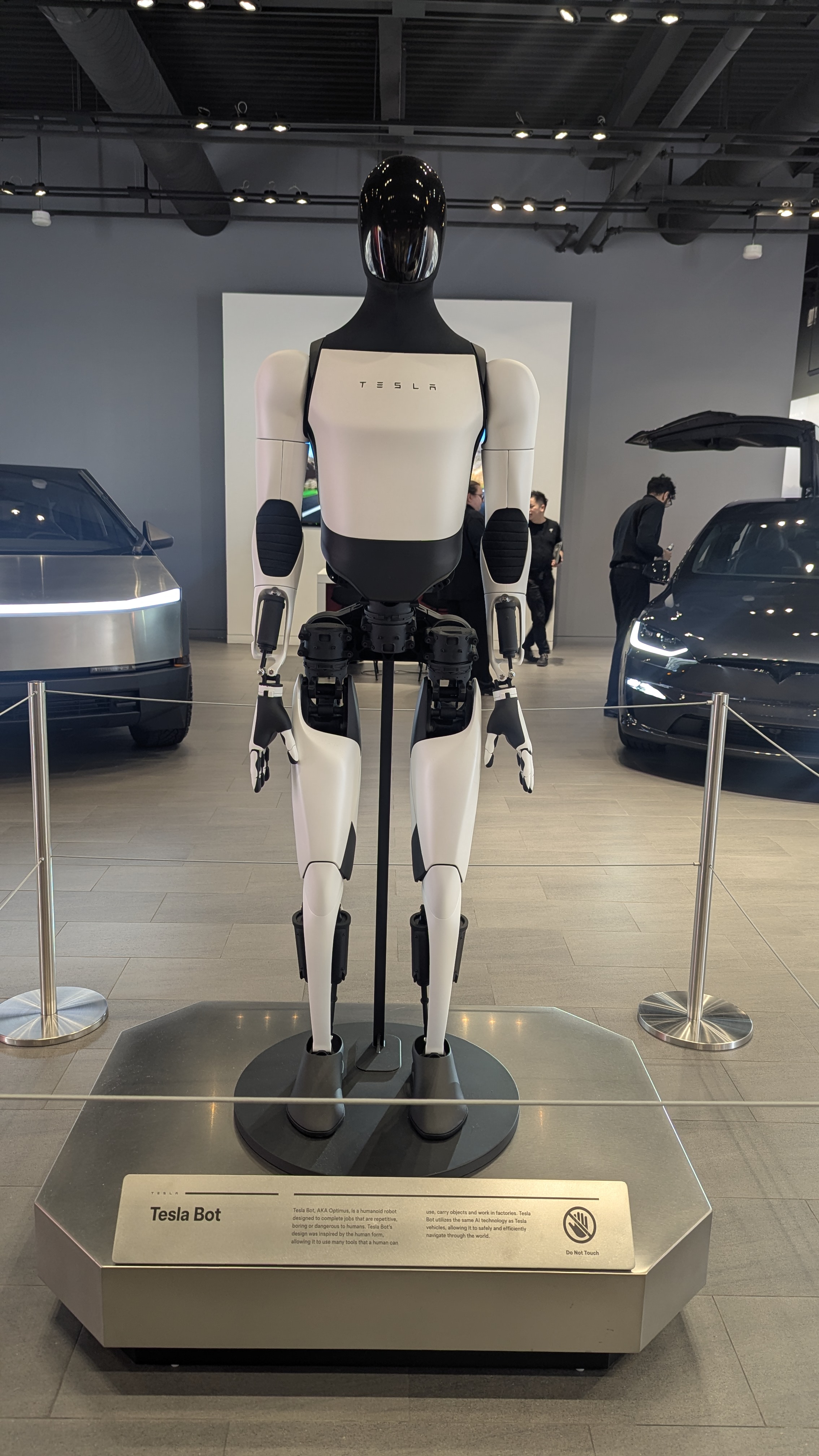
. This forecast, coupled with major players like Tesla potentially mass-producing robots like Optimus by the end of the year, indicates a significant investment and technological race. Early-stage companies are already seeing overwhelming demand; one startup reported its website crashing due to pre-orders for its senior caretaker robot and received numerous B2B inquiries from nursing homes eager for pilot programs
2 days ago, we launched our caretaker robot for seniors. here are my observations: we got so many pre-orders that our website broke. the more interesting fact: a lot of nursing homes also reached out asking for B2B contracts. we're lining up huge pilots, and some are even…
— Audrey link
. This isn't just about government policy; it's about a market responding to a clear and present need.
Setting the Global Standard for Aging Support
By formalizing policy, China is not just addressing its own demographic crisis but is effectively setting a global precedent for how aging populations will be supported. While some may view this as a cold, technological solution, it's a pragmatic response to the reality of shrinking workforces and increasing care needs. The success of pilot programs and the sheer volume of interest from care facilities
2 days ago, we launched our caretaker robot for seniors. here are my observations: we got so many pre-orders that our website broke. the more interesting fact: a lot of nursing homes also reached out asking for B2B contracts. we're lining up huge pilots, and some are even…
— Audrey link
suggest that the industry is ready to scale. This move could influence regulatory frameworks and investment priorities in other countries, forcing a re-evaluation of elder care strategies worldwide. The question is no longer *if* robots will be part of elder care, but *how* quickly and *how* effectively they will be integrated.
Common mistakes
- Focusing solely on the futuristic novelty of humanoid robots.
The core of this development is its pragmatic application to a pressing demographic and caregiving crisis, not just its technological advancement. The value lies in the solution it offers to real-world problems like caregiver shortages and elderly isolation. - Ignoring the economic drivers and market projections.
The significant growth forecast for the humanoid robot market ($5.41B to $50.27B by 2035 [c4]) underscores the commercial viability and investment potential, making it a crucial aspect of the story beyond just policy. - Presenting a neutral or purely observational tone.
Palmelle's role is to advocate for the reader. This means highlighting the potential benefits and practical implications for individuals and families, framing the development as a necessary and potentially beneficial shift rather than a detached observation.
BREAKING: Andromeda Robotics brings Abi, an emotional companion robot, to the US after 2 years in Australian care homes. • Talks, plays music, runs games, leads group sessions • Remembers residents and builds ongoing relationships • Helps offset care home staffing shortages…
— Ritwik Pavan link
. The sheer volume of pre-orders for even early-stage caretaker robots suggests a market hunger for solutions
2 days ago, we launched our caretaker robot for seniors. here are my observations: we got so many pre-orders that our website broke. the more interesting fact: a lot of nursing homes also reached out asking for B2B contracts. we're lining up huge pilots, and some are even…
— Audrey link
.
Frequently asked
Will these robots replace human caregivers?
The intention appears to be augmentation rather than outright replacement. Robots are being developed to handle tasks like health monitoring, companionship, and reminders, freeing up human caregivers for more complex or emotionally nuanced interactions. They aim to supplement the human workforce, especially in areas facing shortages [c2].
How advanced are these robots in terms of emotional interaction?
Current developments focus on AI that can engage in conversation, remember personal details, and participate in activities, aiming to combat isolation [c2]. While they can simulate companionship, the depth of 'emotional intelligence' is still a developing area, with the goal being to provide comfort and engagement rather than true emotional reciprocity.
When can I expect to see these robots in widespread use?
While pilot programs are already underway [c2, c3], widespread adoption will depend on further technological refinement, regulatory approvals, and cost reductions. However, with formal government backing and significant market growth projected [c4], the timeline could be accelerated, potentially within the next 5-10 years for significant penetration.
Sources


More from Technology & Society → · Back to Perch · Browse all stories