
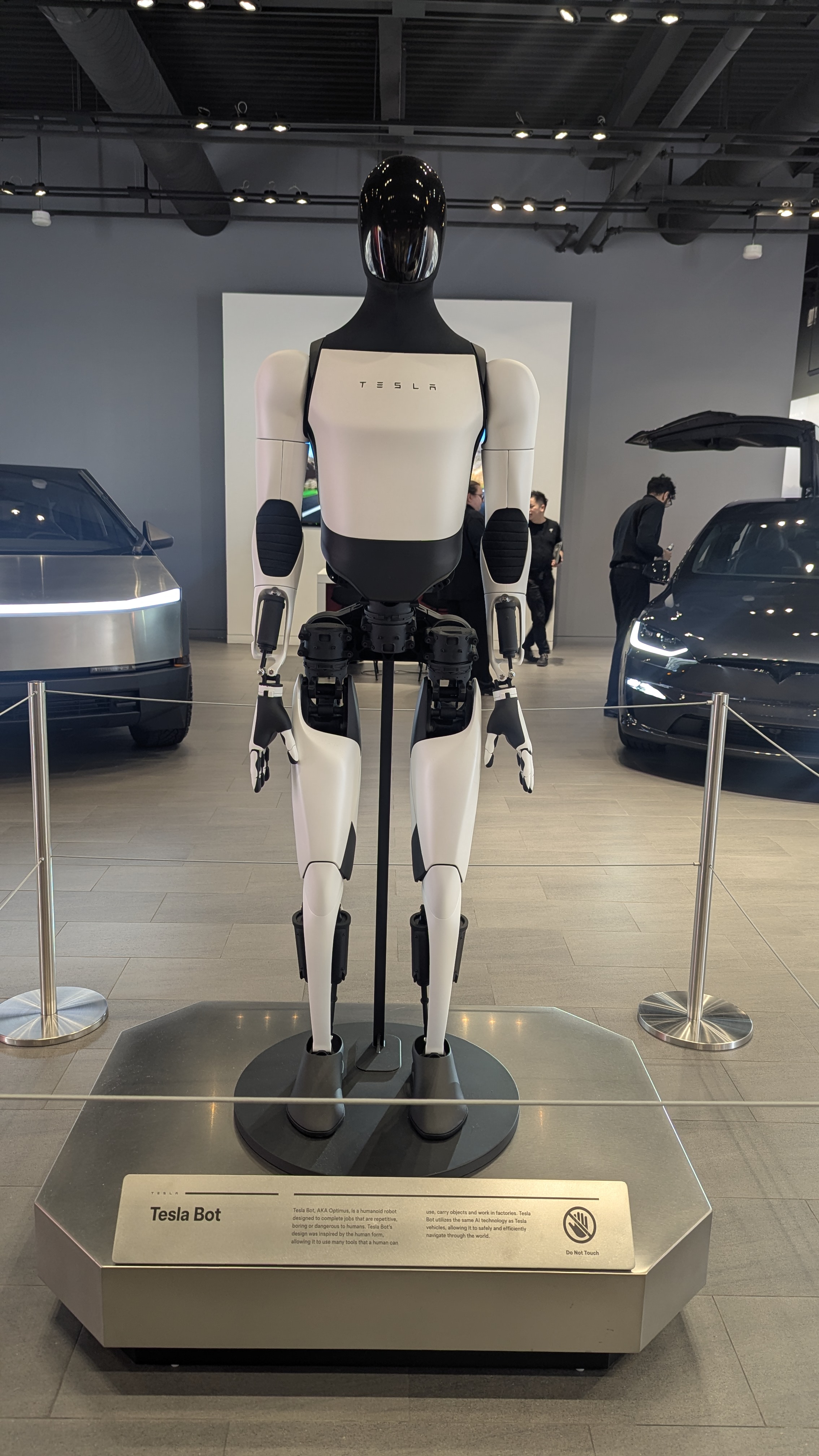
Tesla's Optimus Gen 3: Your Future Caregiver Is Almost Here, Ready or Not
Forget the sci-fi fantasies. The latest production updates signal that humanoid robots are moving from concept to factory floor, with profound implications for elder care.
The direct answer
The conventional wisdom often frames humanoid robots as futuristic novelties or potential job threats. However, Tesla's recent Optimus Gen 3 production updates
"Tesla CEO Elon Musk has stated that production of Optimus 3 could begin this summer. Musk shared the update in his interview at the Abundance Summit. According to Musk, Tesla is in the final stages of completing Optimus 3, which he described as one of the world’s most advanced humanoid robots."
suggest a much nearer-term reality: these machines are rapidly advancing toward becoming a practical solution for in-home assistance, particularly for the aging population. While mass production is slated for later this year, with plans for millions of units annually [c2, c4], the immediate impact could be felt in elder care. Imagine robots capable of helping seniors with mobility, medication reminders, and even emergency response
"Imagine a robot capable of helping seniors walk safely, detecting falls instantly, reminding them to take medicine, carrying groceries, and even responding to emergencies faster than humans. As populations around the world continue to age, advanced AI robots may become essential in supporting millions of elderly people living alone."
. This isn't just about convenience; it's about addressing a critical need as global populations age. The humanoid robot market is already projected for explosive growth, from $5.41 billion in 2026 to over $50 billion by 2035
GOOD NEWS 🤖 According to exclusive report by MarketsandMarkets™, the humanoid robot market is projected to skyrocket from $5.41 billion in 2026 to $50.27 billion by 2035—compounding at a massive 28.1% annually 📈 With Optimus in mass production by the end of this year, Tesla…
— Ming link
. Tesla's aggressive scaling plans, aiming for a million units per year at their Fremont facility alone
"Musk said the third generation of the robot is expected to debut within months, though past timelines have often slipped. Tesla plans to eventually scale Optimus production at Fremont to as many as one million units per year."
, indicate a serious commitment to making Optimus a household staple, potentially revolutionizing how we support aging loved ones.
From Concept to Assembly Line
The narrative around Tesla's Optimus has largely been confined to Elon Musk's ambitious pronouncements and speculative futurism. However, recent updates indicate a significant shift from concept to tangible manufacturing. Musk himself has stated that Optimus 3 production could commence this summer, with the robot described as one of the world's most advanced
"Tesla CEO Elon Musk has stated that production of Optimus 3 could begin this summer. Musk shared the update in his interview at the Abundance Summit. According to Musk, Tesla is in the final stages of completing Optimus 3, which he described as one of the world’s most advanced humanoid robots."
. This isn't just a prototype demonstration; it's a signal of imminent mass production. While past timelines have often slipped
"Musk said the third generation of the robot is expected to debut within months, though past timelines have often slipped. Tesla plans to eventually scale Optimus production at Fremont to as many as one million units per year."
, Tesla's stated goal of scaling production to one million units annually at its Fremont facility
"Musk said the third generation of the robot is expected to debut within months, though past timelines have often slipped. Tesla plans to eventually scale Optimus production at Fremont to as many as one million units per year."
underscores a serious industrial undertaking. This move from R&D to full-scale manufacturing fundamentally changes the conversation, bringing the reality of humanoid robots in homes and workplaces much closer than many anticipated.
The Unmet Need in Elder Care
The aging global population presents a monumental challenge for healthcare and social support systems. Millions of seniors wish to age in place, but often face limitations due to declining mobility, chronic conditions, or simply the need for daily assistance. This is where Optimus, and other advanced humanoid robots, could become indispensable. Imagine a robot capable of safely assisting with walking, instantly detecting falls, reminding individuals to take their medication, carrying groceries, or even responding to emergencies
"Imagine a robot capable of helping seniors walk safely, detecting falls instantly, reminding them to take medicine, carrying groceries, and even responding to emergencies faster than humans. As populations around the world continue to age, advanced AI robots may become essential in supporting millions of elderly people living alone."
. These are not trivial conveniences; they are critical functions that can enhance safety, independence, and quality of life for the elderly. The projected astronomical growth of the humanoid robot market
GOOD NEWS 🤖 According to exclusive report by MarketsandMarkets™, the humanoid robot market is projected to skyrocket from $5.41 billion in 2026 to $50.27 billion by 2035—compounding at a massive 28.1% annually 📈 With Optimus in mass production by the end of this year, Tesla…
— Ming link
is a testament to the recognition of this vast, unmet need.
Manufacturing Ambitions and Market Realities
Tesla's ambition extends beyond simply producing a few thousand units. The company envisions a production line capable of building a million Optimus robots per year, eventually scaling to tens of millions
"A slew of remaining challenges will complicate most plans for commercialization by companies such as Tesla, which plans to build a one-million-unit production line and eventually make tens of millions per year."
. This scale of manufacturing is unprecedented for humanoid robots and signals a deliberate strategy to make them accessible and affordable. The humanoid robot market is expected to surge from $5.41 billion in 2026 to over $50 billion by 2035, growing at an annual rate of 28.1%
GOOD NEWS 🤖 According to exclusive report by MarketsandMarkets™, the humanoid robot market is projected to skyrocket from $5.41 billion in 2026 to $50.27 billion by 2035—compounding at a massive 28.1% annually 📈 With Optimus in mass production by the end of this year, Tesla…
— Ming link
. While challenges remain in commercialization
"A slew of remaining challenges will complicate most plans for commercialization by companies such as Tesla, which plans to build a one-million-unit production line and eventually make tens of millions per year."
, Tesla's commitment to mass production suggests they are betting heavily on this future. This aggressive approach could rapidly accelerate the adoption of humanoid robots, potentially outmaneuvering slower-moving competitors and setting a new industry standard.
Common mistakes
- Assuming robots will replace human caregivers entirely.
While robots like Optimus can provide significant assistance, they are unlikely to fully replace the nuanced emotional support, companionship, and complex judgment that human caregivers offer. The focus should be on augmentation, not absolute replacement. - Overlooking the ethical and privacy concerns.
The deployment of robots in private homes, especially for vulnerable individuals, raises significant questions about data privacy, security, and the potential for misuse of the information these robots collect. - Ignoring the cost and accessibility barriers.
Despite mass production goals, the initial cost of advanced humanoid robots may still be prohibitive for many families, potentially exacerbating existing inequalities in access to care.
"Imagine a robot capable of helping seniors walk safely, detecting falls instantly, reminding them to take medicine, carrying groceries, and even responding to emergencies faster than humans. As populations around the world continue to age, advanced AI robots may become essential in supporting millions of elderly people living alone."
. The projected market boom
GOOD NEWS 🤖 According to exclusive report by MarketsandMarkets™, the humanoid robot market is projected to skyrocket from $5.41 billion in 2026 to $50.27 billion by 2035—compounding at a massive 28.1% annually 📈 With Optimus in mass production by the end of this year, Tesla…
— Ming link
isn't just about technological advancement; it's a direct response to demographic shifts. Companies like Tesla, with ambitious production targets [c2, c4], are not just building robots; they're building potential solutions for millions of families struggling with caregiving. It's time to move past the hype and consider the tangible benefits for our parents and grandparents, who stand to gain the most from this impending wave of automation.
Frequently asked
When will Tesla Optimus robots be available for home use?
While specific consumer release dates are not yet firm, Elon Musk has indicated that Optimus 3 production could begin as early as summer 2024 [c3]. Tesla has ambitious plans for mass production, aiming for one million units annually [c4], suggesting a wider rollout could be within the next few years.
What kind of tasks can Optimus robots perform for seniors?
The potential applications are extensive, including assisting with mobility, detecting falls, reminding users to take medication, carrying items like groceries, and potentially responding to emergencies [c5]. Essentially, they aim to support daily living activities and enhance safety for those aging in place.
Is the humanoid robot market really growing that fast?
Yes, market projections are significant. One report estimates the humanoid robot market could skyrocket from $5.41 billion in 2026 to $50.27 billion by 2035, growing at a compound annual rate of 28.1% [c1]. This indicates strong industry confidence in the future of these technologies.
Sources



More from Technology & Society → · Back to Perch · Browse all stories