
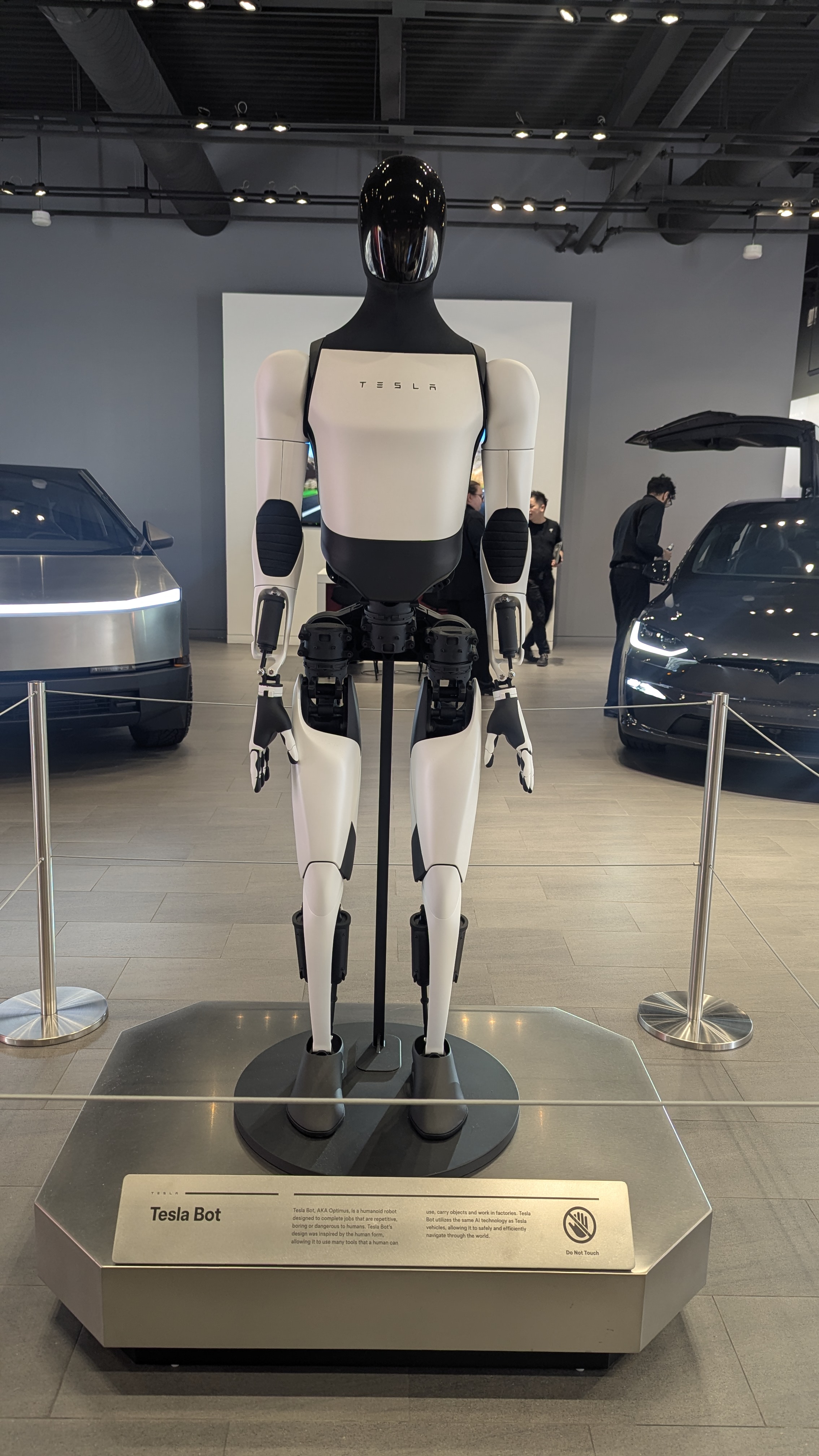
Humanoid Robots Are Coming for Your Grandma's Care Home. It's Not Science Fiction.
China's push for robotic caregivers isn't just about demographics; it's a stark signal of a future where human touch might be a luxury.
The direct answer
The conventional wisdom suggests that as our global population ages, we'll simply need more human caregivers. However, China's recent call for the widespread deployment of humanoid robots in elder care
BREAKING: Andromeda Robotics brings Abi, an emotional companion robot, to the US after 2 years in Australian care homes. • Talks, plays music, runs games, leads group sessions • Remembers residents and builds ongoing relationships • Helps offset care home staffing shortages…
— Ritwik Pavan link
signals a more radical, and perhaps inevitable, shift. This isn't a distant sci-fi scenario; companies are already piloting robots like 'Abi' in US senior living facilities, designed to converse, play games, and even remember residents
BREAKING: Andromeda Robotics brings Abi, an emotional companion robot, to the US after 2 years in Australian care homes. • Talks, plays music, runs games, leads group sessions • Remembers residents and builds ongoing relationships • Helps offset care home staffing shortages…
— Ritwik Pavan link
. The market for humanoid robots is projected to explode, growing from $5.41 billion in 2026 to a staggering $50.27 billion by 2035
GOOD NEWS 🤖 According to exclusive report by MarketsandMarkets™, the humanoid robot market is projected to skyrocket from $5.41 billion in 2026 to $50.27 billion by 2035—compounding at a massive 28.1% annually 📈 With Optimus in mass production by the end of this year, Tesla…
— Ming link
. This surge is driven by a critical shortage of human staff, a problem exacerbated by the pandemic [c2, c3]. While these robots promise to alleviate pressure on overwhelmed facilities and offer companionship, they also raise profound questions about the nature of care and human connection in our later years. The industry is already seeing significant interest from nursing homes seeking B2B contracts, indicating a rapid integration into existing care models
2 days ago, we launched our caretaker robot for seniors. here are my observations: we got so many pre-orders that our website broke. the more interesting fact: a lot of nursing homes also reached out asking for B2B contracts. we're lining up huge pilots, and some are even…
— Audrey link
.
The Numbers Don't Lie: A Looming Crisis
The demographic wave is undeniable. By 2035, the humanoid robot market is expected to reach $50.27 billion, growing at a compound annual rate of 28.1%
GOOD NEWS 🤖 According to exclusive report by MarketsandMarkets™, the humanoid robot market is projected to skyrocket from $5.41 billion in 2026 to $50.27 billion by 2035—compounding at a massive 28.1% annually 📈 With Optimus in mass production by the end of this year, Tesla…
— Ming link
. This isn't just about innovation; it's about necessity. Developing robots like 'Abi,' which was partly inspired by the isolation of COVID-19 lockdowns
Abi, the humanoid robot that's piloting in US senior care homes, was born out of the COVID-19 pandemic. Grace Brown started developing the colorful and compact AI robot to cope with isolation during COVID-19 lockdowns while studying mechatronics engineering at the University of…
— Mike Kalil link
, is a direct response to the chronic understaffing in care facilities. The success of early pilots, with robots like Abi being deployed in US care homes and generating significant interest from nursing homes for B2B contracts [c1, c2], demonstrates a clear market demand. This isn't a future problem; it's a present-day solution being implemented as quickly as possible to fill critical gaps.
Beyond the 'Jetsons' Fantasy: Real-World Applications
Forget the clunky robots of yesterday. Today's humanoid companions are sophisticated AI-driven entities designed for specific tasks. 'Abi,' for instance, is programmed to engage residents through conversation, music, games, and group activities, even remembering individual preferences and building rapport over time
BREAKING: Andromeda Robotics brings Abi, an emotional companion robot, to the US after 2 years in Australian care homes. • Talks, plays music, runs games, leads group sessions • Remembers residents and builds ongoing relationships • Helps offset care home staffing shortages…
— Ritwik Pavan link
. This level of interaction aims to offset the social isolation often experienced by seniors, a need amplified during the pandemic
Abi, the humanoid robot that's piloting in US senior care homes, was born out of the COVID-19 pandemic. Grace Brown started developing the colorful and compact AI robot to cope with isolation during COVID-19 lockdowns while studying mechatronics engineering at the University of…
— Mike Kalil link
. The fact that a caretaker robot launch resulted in a website crash due to overwhelming pre-orders, with immediate inquiries from nursing homes for bulk contracts, shows a rapid adoption curve driven by acute need
2 days ago, we launched our caretaker robot for seniors. here are my observations: we got so many pre-orders that our website broke. the more interesting fact: a lot of nursing homes also reached out asking for B2B contracts. we're lining up huge pilots, and some are even…
— Audrey link
. This isn't about replacing human caregivers entirely, but augmenting their capabilities and filling the void where they are scarce.
The Ethical Tightrope: Care vs. Convenience
The ethical implications of delegating elder care to machines are profound. While robots can perform tasks, can they offer genuine empathy? The development of 'emotional companion robots' like Abi
BREAKING: Andromeda Robotics brings Abi, an emotional companion robot, to the US after 2 years in Australian care homes. • Talks, plays music, runs games, leads group sessions • Remembers residents and builds ongoing relationships • Helps offset care home staffing shortages…
— Ritwik Pavan link
blurs the lines between technology and authentic human connection. As these robots become more integrated, will the definition of 'care' shift from holistic well-being to task completion? The rapid market growth, projected to reach over $50 billion by 2035
GOOD NEWS 🤖 According to exclusive report by MarketsandMarkets™, the humanoid robot market is projected to skyrocket from $5.41 billion in 2026 to $50.27 billion by 2035—compounding at a massive 28.1% annually 📈 With Optimus in mass production by the end of this year, Tesla…
— Ming link
, suggests that the industry is betting on convenience and cost-effectiveness. This raises a critical question for families: at what point does technological assistance become a substitute for human dignity and meaningful interaction?
Common mistakes
- Focusing solely on the 'wow' factor of robots.
The article must go beyond the novelty and address the underlying societal pressures—aging populations and caregiver shortages—that are driving this trend, as well as the ethical considerations of replacing human interaction with AI. - Presenting a neutral stance on the technology.
Palmelle's role is to advocate for the reader. This means critically examining industry claims and highlighting potential downsides, such as the erosion of human connection, rather than simply reporting on technological advancements. - Using generic language about 'future care'.
The article needs to be specific. Mentioning concrete figures like the market projection ($50.27 billion by 2035) and specific robot models (Abi) makes the threat and opportunity more tangible for the reader.
2 days ago, we launched our caretaker robot for seniors. here are my observations: we got so many pre-orders that our website broke. the more interesting fact: a lot of nursing homes also reached out asking for B2B contracts. we're lining up huge pilots, and some are even…
— Audrey link
suggest that convenience and cost-effectiveness are already outweighing concerns about genuine human connection. We must question whether 'companionship' from a machine can ever replace the empathy and nuanced understanding a human caregiver provides, especially as the market for these robots is projected to skyrocket to over $50 billion by 2035
GOOD NEWS 🤖 According to exclusive report by MarketsandMarkets™, the humanoid robot market is projected to skyrocket from $5.41 billion in 2026 to $50.27 billion by 2035—compounding at a massive 28.1% annually 📈 With Optimus in mass production by the end of this year, Tesla…
— Ming link
.
Frequently asked
Are humanoid robots already being used in elder care?
Yes, robots like 'Abi' are currently being piloted and deployed in senior living facilities in the US and Australia [c1]. Companies are actively seeking partnerships with nursing homes, indicating a rapid integration into the care sector, driven by staffing shortages [c2].
How much is the humanoid robot market worth?
The humanoid robot market is projected to grow significantly, from an estimated $5.41 billion in 2026 to $50.27 billion by 2035, with an annual growth rate of 28.1% [c4]. This surge reflects increasing investment and adoption.
What are the main benefits of using robots in elder care?
The primary benefits cited are addressing critical caregiver shortages, providing companionship to combat isolation, and assisting with daily tasks. Robots can engage residents in activities, remember preferences, and offer consistent interaction where human staff are scarce [c1, c3].
Sources



More from Technology & Society → · Back to Perch · Browse all stories