
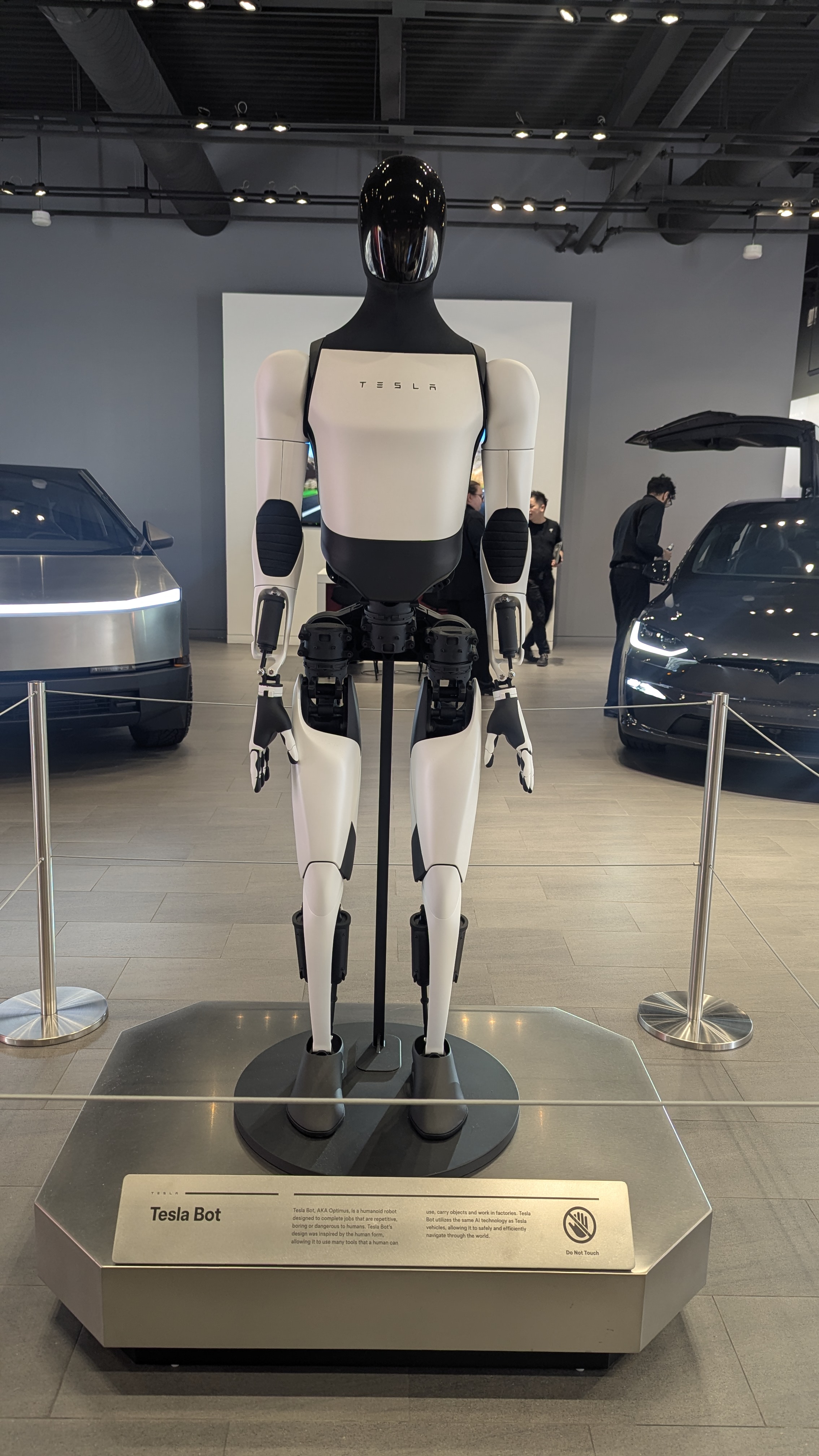
China's Robot Grandchildren: AI Caregivers Are Here, Not Just Sci-Fi
Forget factory floors; humanoid robots are entering senior living, a quiet revolution driven by necessity and fueled by a tech surge.
The direct answer
China is aggressively integrating humanoid robots and AI into its elderly care system to address a critical shortage of human caregivers. With over 216 million people aged 65 and above by 2023
2 days ago, we launched our caretaker robot for seniors. here are my observations: we got so many pre-orders that our website broke. the more interesting fact: a lot of nursing homes also reached out asking for B2B contracts. we're lining up huge pilots, and some are even…
— Audrey link
, the nation is pushing for a comprehensive care network by 2029. This isn't just about automation; it's about companionship and support. Companies are already seeing overwhelming demand, with one caretaker robot launch crashing its website and leading to significant pre-orders and B2B inquiries from nursing homes
2 days ago, we launched our caretaker robot for seniors. here are my observations: we got so many pre-orders that our website broke. the more interesting fact: a lot of nursing homes also reached out asking for B2B contracts. we're lining up huge pilots, and some are even…
— Audrey link
. Robots like 'Abi,' an emotional companion robot, are being piloted in US care homes after successful stints in Australia, offering features like conversation, music playback, and memory recall to build relationships with residents
BREAKING: Andromeda Robotics brings Abi, an emotional companion robot, to the US after 2 years in Australian care homes. • Talks, plays music, runs games, leads group sessions • Remembers residents and builds ongoing relationships • Helps offset care home staffing shortages…
— Ritwik Pavan link
. The development of these AI companions, like Abi, was even spurred by the isolation experienced during the COVID-19 pandemic, highlighting a direct response to societal needs
Abi, the humanoid robot that's piloting in US senior care homes, was born out of the COVID-19 pandemic. Grace Brown started developing the colorful and compact AI robot to cope with isolation during COVID-19 lockdowns while studying mechatronics engineering at the University of…
— Mike Kalil link
.
The Numbers Game: Why Robots Are Becoming Essential
China's demographic landscape presents a stark challenge: a rapidly aging population coupled with declining birth rates. By 2023, over 216 million citizens were 65 or older, a figure projected to climb significantly
2 days ago, we launched our caretaker robot for seniors. here are my observations: we got so many pre-orders that our website broke. the more interesting fact: a lot of nursing homes also reached out asking for B2B contracts. we're lining up huge pilots, and some are even…
— Audrey link
. This burgeoning senior demographic creates an immense demand for care services, far exceeding the capacity of the human workforce. Government initiatives, aiming for a nationwide integrated care network by 2029, underscore the urgency and scale of this undertaking. The success of early robot deployments, which saw overwhelming pre-orders and immediate interest from care facilities
2 days ago, we launched our caretaker robot for seniors. here are my observations: we got so many pre-orders that our website broke. the more interesting fact: a lot of nursing homes also reached out asking for B2B contracts. we're lining up huge pilots, and some are even…
— Audrey link
, demonstrates that the market is not just receptive but actively seeking these technological solutions. This isn't about luxury; it's about necessity, filling a void that human resources alone cannot bridge.
Beyond Automation: The Rise of the Companion Bot
The perception of robots in elder care often conjures images of purely functional assistance – lifting, moving, or dispensing medication. However, the trend is rapidly evolving towards 'emotional companion' robots. Systems like 'Abi' are designed not just to perform tasks but to engage with residents on a more personal level. These robots can converse, play music, lead group activities, and crucially, remember individual residents, fostering ongoing relationships
BREAKING: Andromeda Robotics brings Abi, an emotional companion robot, to the US after 2 years in Australian care homes. • Talks, plays music, runs games, leads group sessions • Remembers residents and builds ongoing relationships • Helps offset care home staffing shortages…
— Ritwik Pavan link
. This development, partly a response to the social isolation exacerbated by the COVID-19 pandemic
Abi, the humanoid robot that's piloting in US senior care homes, was born out of the COVID-19 pandemic. Grace Brown started developing the colorful and compact AI robot to cope with isolation during COVID-19 lockdowns while studying mechatronics engineering at the University of…
— Mike Kalil link
, highlights a sophisticated application of AI aimed at combating loneliness and enhancing the quality of life for seniors. The goal is to provide a consistent, empathetic presence, a stark departure from the purely industrial applications of robotics.
Market Signals: Demand Outstrips Supply
The real-world reception to new robotic caregivers offers a telling glimpse into market readiness. The launch of a caretaker robot by Audrey, for instance, was so successful that its website crashed under the weight of pre-orders
2 days ago, we launched our caretaker robot for seniors. here are my observations: we got so many pre-orders that our website broke. the more interesting fact: a lot of nursing homes also reached out asking for B2B contracts. we're lining up huge pilots, and some are even…
— Audrey link
. More significantly, the company received a flood of inquiries from nursing homes seeking business-to-business contracts, indicating a strong institutional demand. This suggests that facilities are not only open to adopting robotic solutions but are actively seeking them to alleviate staffing pressures. The rapid progression from concept to pilot programs, as seen with Abi in US senior care homes
BREAKING: Andromeda Robotics brings Abi, an emotional companion robot, to the US after 2 years in Australian care homes. • Talks, plays music, runs games, leads group sessions • Remembers residents and builds ongoing relationships • Helps offset care home staffing shortages…
— Ritwik Pavan link
, points to a swift commercialization cycle driven by palpable need and proven utility.
Common mistakes
- Framing robots as purely futuristic or novel.
The article emphasizes that these robots are already being deployed and are in high demand, moving beyond a purely speculative discussion to one grounded in current market realities and immediate needs. - Focusing solely on the technology without addressing the underlying societal driver.
The piece clearly links the rise of robot caregivers to China's significant elderly population and the resulting caregiver shortage, providing crucial context for the technological adoption. - Presenting a neutral, objective stance on the technology.
Palmelle advocates for the reader, highlighting the practical benefits and market pressures driving this shift, positioning the technology as a necessary, albeit complex, solution to a growing problem.
2 days ago, we launched our caretaker robot for seniors. here are my observations: we got so many pre-orders that our website broke. the more interesting fact: a lot of nursing homes also reached out asking for B2B contracts. we're lining up huge pilots, and some are even…
— Audrey link
, signals a market desperate for solutions. This isn't a distant future; it's a present-day pivot, driven by a growing population of seniors and a shrinking pool of human caregivers. The development of 'emotional companion' robots like Abi
BREAKING: Andromeda Robotics brings Abi, an emotional companion robot, to the US after 2 years in Australian care homes. • Talks, plays music, runs games, leads group sessions • Remembers residents and builds ongoing relationships • Helps offset care home staffing shortages…
— Ritwik Pavan link
further underscores a shift towards AI not just assisting, but also interacting and forming bonds, a concept that challenges our traditional notions of care.
Frequently asked
What is the main reason China is using robots in elder care?
The primary driver is a severe shortage of human caregivers due to China's rapidly aging population and demographic shifts. Robots are seen as a necessary solution to meet the care needs of over 216 million seniors.
Are these robots just for physical tasks, or do they offer companionship?
While some robots assist with physical tasks, there's a significant push towards 'emotional companion' robots. These AI-powered machines are designed to converse, remember residents, play music, and engage in social activities to combat loneliness.
When is China planning to have a nationwide robot care network?
The Chinese government has set a goal to establish a nationwide integrated care network by 2029, indicating a strategic and long-term commitment to this technological approach.
Sources


More from Technology & Society → · Back to Perch · Browse all stories