
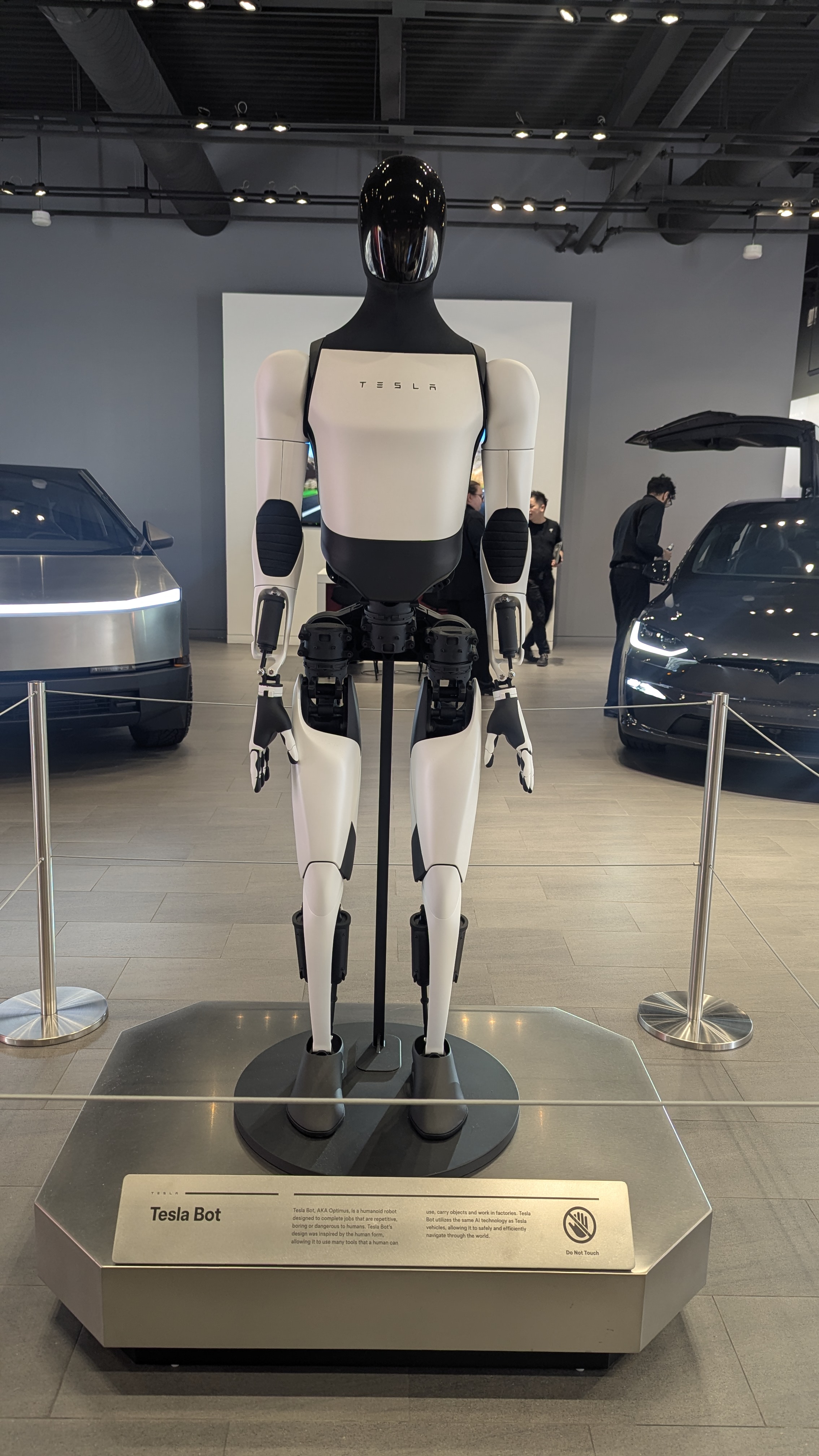
Forget Robots as Servants; They're Your Next Caregiver
As the world grapples with an aging population and a dwindling human workforce, humanoid robots are stepping in to fill the critical gap in elder care.
The direct answer
The conventional wisdom paints robots as mere tools or potential threats, but the reality for our aging population is far more intimate and urgent. With the global population aged 65+ projected to hit 1.5 billion by 2050, the caregiver shortage isn't a future problem—it's a crisis unfolding now. Humanoid robots are actively being deployed in eldercare facilities and homes worldwide, offering a blend of companionship, advanced fall detection, and crucial physical assistance
BREAKING: Andromeda Robotics brings Abi, an emotional companion robot, to the US after 2 years in Australian care homes. • Talks, plays music, runs games, leads group sessions • Remembers residents and builds ongoing relationships • Helps offset care home staffing shortages…
— Ritwik Pavan link
. Companies are seeing unprecedented demand, with one caretaker robot startup reporting website crashes due to pre-orders and significant interest from nursing homes for B2B contracts, indicating a strong market pull
2 days ago, we launched our caretaker robot for seniors. here are my observations: we got so many pre-orders that our website broke. the more interesting fact: a lot of nursing homes also reached out asking for B2B contracts. we're lining up huge pilots, and some are even…
— Audrey link
. This isn't science fiction; it's a pragmatic response to demographic shifts, with robots like Abi, designed for emotional companionship and daily assistance, already piloting in US senior care homes after successful runs in Australia
BREAKING: Andromeda Robotics brings Abi, an emotional companion robot, to the US after 2 years in Australian care homes. • Talks, plays music, runs games, leads group sessions • Remembers residents and builds ongoing relationships • Helps offset care home staffing shortages…
— Ritwik Pavan link
. The market for humanoid robots is anticipated to surge from $5.41 billion in 2026 to over $50 billion by 2035, growing at a remarkable 28.1% annually, a testament to their increasing integration into essential services like eldercare
GOOD NEWS 🤖 According to exclusive report by MarketsandMarkets™, the humanoid robot market is projected to skyrocket from $5.41 billion in 2026 to $50.27 billion by 2035—compounding at a massive 28.1% annually 📈 With Optimus in mass production by the end of this year, Tesla…
— Ming link
.
The Numbers Don't Lie: A Looming Caregiver Crisis
The demographic shift is stark: by 2050, individuals aged 65 and older will number 1.5 billion globally. This presents an unprecedented challenge for healthcare systems and families. Current projections indicate a significant deficit in human caregivers needed to meet this demand. This isn't just a matter of preference; it's an economic and logistical inevitability. The humanoid robot market, predicted to explode from $5.41 billion in 2026 to $50.27 billion by 2035, reflects this urgent need for scalable care solutions
GOOD NEWS 🤖 According to exclusive report by MarketsandMarkets™, the humanoid robot market is projected to skyrocket from $5.41 billion in 2026 to $50.27 billion by 2035—compounding at a massive 28.1% annually 📈 With Optimus in mass production by the end of this year, Tesla…
— Ming link
. This rapid growth, at a compound annual rate of 28.1%, underscores the industry's pivot towards practical applications that address real-world shortages.
Beyond Assistance: Robots as Companions
The role of robots in eldercare extends beyond mere physical assistance. Many emerging humanoid robots are designed with sophisticated AI to provide emotional companionship, combatting the isolation often experienced by seniors. Robots like Abi are programmed to engage in conversations, play music, lead group activities, and even remember residents to build ongoing relationships
BREAKING: Andromeda Robotics brings Abi, an emotional companion robot, to the US after 2 years in Australian care homes. • Talks, plays music, runs games, leads group sessions • Remembers residents and builds ongoing relationships • Helps offset care home staffing shortages…
— Ritwik Pavan link
. This development is particularly poignant, with robots like Abi originating from the need to address isolation during the COVID-19 pandemic
Abi, the humanoid robot that's piloting in US senior care homes, was born out of the COVID-19 pandemic. Grace Brown started developing the colorful and compact AI robot to cope with isolation during COVID-19 lockdowns while studying mechatronics engineering at the University of…
— Mike Kalil link
. The demand for such companions is palpable; one company launching a caretaker robot for seniors experienced such overwhelming pre-orders that their website crashed, with a significant portion of inquiries coming from nursing homes seeking B2B contracts
2 days ago, we launched our caretaker robot for seniors. here are my observations: we got so many pre-orders that our website broke. the more interesting fact: a lot of nursing homes also reached out asking for B2B contracts. we're lining up huge pilots, and some are even…
— Audrey link
. This indicates a strong desire for robots that can offer both practical help and a sense of connection.
Market Momentum and the Road Ahead
The burgeoning market for humanoid robots in eldercare is not just theoretical; it's translating into significant commercial activity. The projected market value of $50.27 billion by 2035
GOOD NEWS 🤖 According to exclusive report by MarketsandMarkets™, the humanoid robot market is projected to skyrocket from $5.41 billion in 2026 to $50.27 billion by 2035—compounding at a massive 28.1% annually 📈 With Optimus in mass production by the end of this year, Tesla…
— Ming link
signifies massive investment and development. Companies are actively deploying these robots, with successful pilots in Australia paving the way for US senior care homes
BREAKING: Andromeda Robotics brings Abi, an emotional companion robot, to the US after 2 years in Australian care homes. • Talks, plays music, runs games, leads group sessions • Remembers residents and builds ongoing relationships • Helps offset care home staffing shortages…
— Ritwik Pavan link
. The interest from nursing homes for B2B contracts
2 days ago, we launched our caretaker robot for seniors. here are my observations: we got so many pre-orders that our website broke. the more interesting fact: a lot of nursing homes also reached out asking for B2B contracts. we're lining up huge pilots, and some are even…
— Audrey link
suggests a strategic adoption by institutions facing direct staffing pressures. As technologies mature and production scales, such as Tesla's Optimus aiming for mass production
GOOD NEWS 🤖 According to exclusive report by MarketsandMarkets™, the humanoid robot market is projected to skyrocket from $5.41 billion in 2026 to $50.27 billion by 2035—compounding at a massive 28.1% annually 📈 With Optimus in mass production by the end of this year, Tesla…
— Ming link
, the accessibility and affordability of these care solutions are likely to increase, making them a more viable option for a broader range of eldercare settings.
Common mistakes
- Focusing solely on the technological novelty of humanoid robots.
This overlooks the critical societal need they are addressing—the eldercare crisis. The value isn't just in the tech, but in its application to solve a pressing human problem. - Presenting robots as a complete replacement for human caregivers.
This misses the nuance of augmentation. Robots are best positioned to handle specific tasks and provide companionship, freeing up human caregivers for more complex or empathetic roles. - Using overly technical jargon without explanation.
The audience for this topic is broad, including seniors, their families, and policymakers. Explanations should be clear and accessible, focusing on the practical benefits and implications.
BREAKING: Andromeda Robotics brings Abi, an emotional companion robot, to the US after 2 years in Australian care homes. • Talks, plays music, runs games, leads group sessions • Remembers residents and builds ongoing relationships • Helps offset care home staffing shortages…
— Ritwik Pavan link
, and the burgeoning market projected to hit $50.27 billion by 2035
GOOD NEWS 🤖 According to exclusive report by MarketsandMarkets™, the humanoid robot market is projected to skyrocket from $5.41 billion in 2026 to $50.27 billion by 2035—compounding at a massive 28.1% annually 📈 With Optimus in mass production by the end of this year, Tesla…
— Ming link
, highlight a pragmatic pivot. This isn't about replacing human touch, but about augmenting care capabilities where human resources are critically insufficient. The demand, evidenced by overwhelmed websites and B2B interest from facilities
2 days ago, we launched our caretaker robot for seniors. here are my observations: we got so many pre-orders that our website broke. the more interesting fact: a lot of nursing homes also reached out asking for B2B contracts. we're lining up huge pilots, and some are even…
— Audrey link
, signals that this is no longer a niche experiment but a necessary evolution in how we care for our aging population.
Frequently asked
Are humanoid robots safe for use in homes with seniors?
Safety is a paramount concern in robot design for eldercare. Robots are equipped with advanced sensors for navigation and obstacle avoidance, and their physical interactions are designed to be gentle and controlled. Features like fall detection are also integrated. Ongoing development focuses on ensuring robust safety protocols to protect vulnerable individuals.
How do these robots handle privacy concerns?
Reputable companies developing eldercare robots prioritize data privacy and security. They typically employ end-to-end encryption for communications and store sensitive data locally or on secure servers, adhering to strict privacy regulations. Users are often given control over data sharing settings.
What is the cost of these advanced humanoid robots?
Currently, the cost can be substantial, reflecting advanced technology and R&D. However, as production scales and competition increases, prices are expected to become more accessible. Some models are available through leasing or subscription services offered by care facilities, making them more attainable.
Sources


More from Technology & Society → · Back to Perch · Browse all stories