
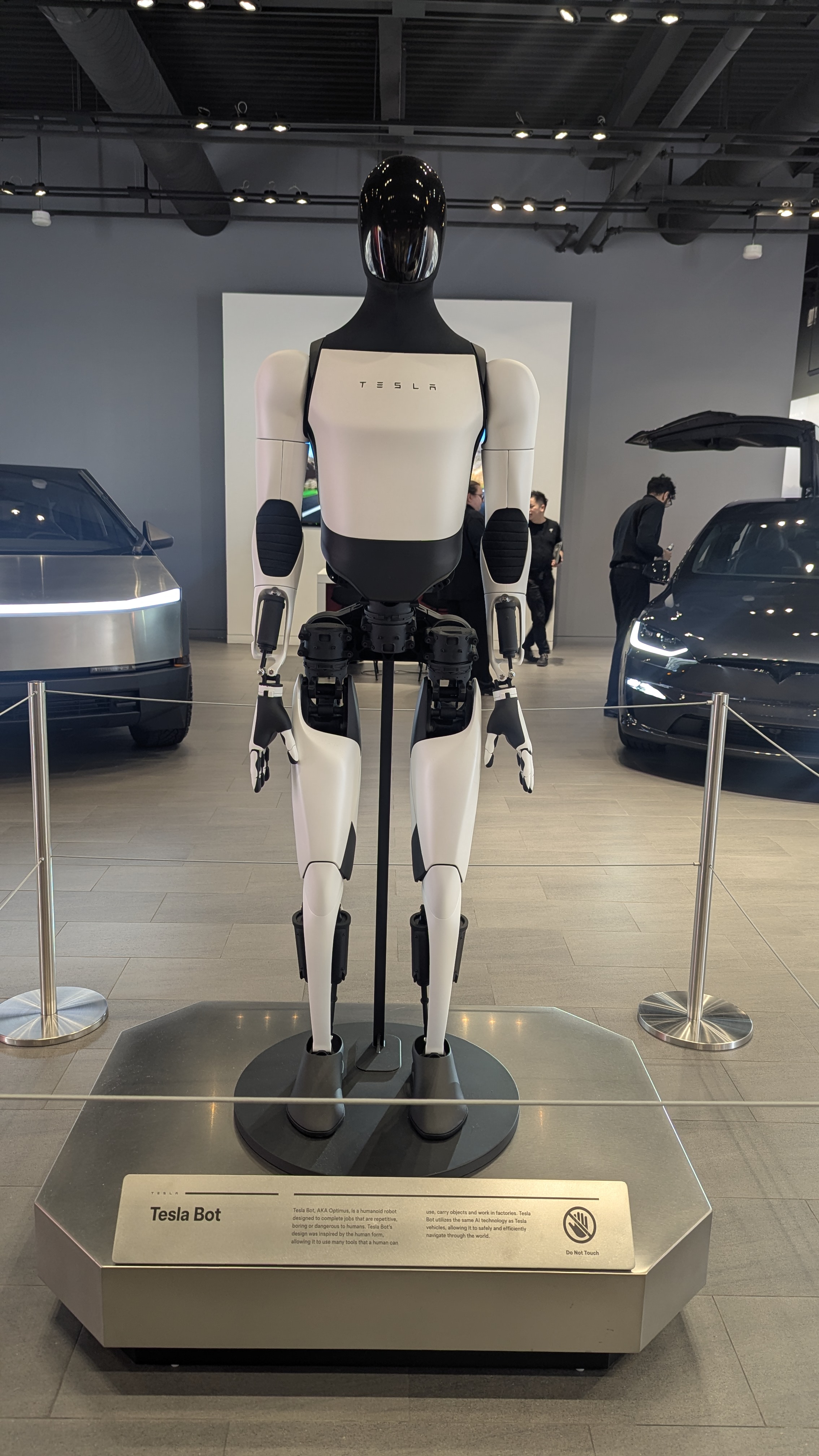
Humanoid Robots Are Coming for Senior Care, Not for You
Mainstream coverage misses the real economic disruption: the 55+ demographic will pay for automation before it hits the headlines.
The direct answer
The mainstream media is focusing on the current shortage of human caregivers, a problem projected to worsen significantly, with OECD countries facing a 13.5 million care worker deficit by 2040
"OECD countries face a 13.5 million care worker shortage by 2040, making robotic assistance a structural need, not just a novelty."
. However, this narrative overlooks a more profound economic shift: the rapid development and deployment of humanoid robots in senior care. While often framed as companionship or assistance, these advanced systems are fundamentally reshaping the economics of elder care, moving beyond mere support to become a core component of the service layer
"As populations age, the “AI elderly companion robot” is moving from concept to pilot programs, driven by two converging needs: workforce constraints in elder care and the growing demand for consistent, non-judgmental support. These systems are not replacing caregivers; they are reshaping the service layer around them."
. Companies are already investing heavily, with the eldercare robot market valued at $3.14 billion in 2025 and projected to grow at a 12.5% CAGR
"The eldercare robot market is valued at $3.14 billion (2025) and growing at 12.5% CAGR, driven by a global aging crisis and caregiver shortages."
. This isn't just about filling gaps; it's about creating new service infrastructures that the 55+ demographic, increasingly affluent and tech-savvy, will directly fund, potentially bypassing traditional assisted living models.
The Automation Arms Race in Elder Care
Governments are beginning to formalize robotics in elder care, with China leading the charge by boosting R&D for humanoid robots, BCIs, and AI specifically for this sector
"Authorities in China plan to boost the research and development of humanoid robots, as well as brain-computer interfaces and artificial intelligence, to support elderly care across the country, reports the South China Morning Post, citing a directive issued by the State Council. This makes China among the first countries to formalise such a policy on the use of robotics."
. This isn't a distant future; pilot programs are already underway, demonstrating these systems' capacity to provide consistent, non-judgmental support
"As populations age, the “AI elderly companion robot” is moving from concept to pilot programs, driven by two converging needs: workforce constraints in elder care and the growing demand for consistent, non-judgmental support. These systems are not replacing caregivers; they are reshaping the service layer around them."
. The market is responding with significant investment, projecting substantial growth driven by the global aging crisis and persistent caregiver shortages
"The eldercare robot market is valued at $3.14 billion (2025) and growing at 12.5% CAGR, driven by a global aging crisis and caregiver shortages."
. This technological push is not merely about filling a void; it's about creating a new paradigm where automation becomes a fundamental layer of senior support, driven by a demographic actively seeking solutions.
Who's Actually Paying for the Robots?
While headlines focus on the strain on public resources due to caregiver shortages, the real economic engine behind robotic elder care is the aging population itself. This demographic, increasingly independent and with growing financial means, is seeking solutions that enhance their autonomy
"AI companion bots can foster independence for older adults through daily check-ins and assistance with wellness goals."
. They are the ones who will directly invest in or subscribe to services powered by these robots, effectively funding the disruption. This contrasts with the broader economic trends where consumer spending, a key driver, is showing mixed signals, with China's retail sales growing only 1.0% in Q2 2026
🇨🇳 China's economy grew just 4.3% in the second quarter of 2026, marking its slowest pace in more than three years amid weak domestic demand. Retail sales rose only 1.0%, while property investment continued to decline, highlighting persistent challenges in consumption,…
— Asia Nexus link
. The senior care sector, however, represents a more insulated and direct demand channel for these advanced technologies.
Beyond Companionship: Reshaping the Care Model
The narrative that robots are merely companions is a deliberate downplay of their disruptive potential. These systems are designed to integrate into the fabric of care, offering assistance with daily tasks, monitoring well-being, and providing a level of consistent interaction that human caregivers, stretched thin, often cannot
"AI companion bots can foster independence for older adults through daily check-ins and assistance with wellness goals."
. This integration reshapes the staffing model, potentially reducing the reliance on high-cost human labor for routine tasks. The industry is already seeing strong traction in related tech sectors, with companies like VELO showing robust growth and positive outlooks for future inflection points
$VELO : Lake Street - Strong beat with GM rebounding, RPS traction continues; 2026 still set to be inflection year; reiterating buy rating and raising PT to $20
— Tut C🅰️pital link
. This signals a broader trend where technology is not just assisting but fundamentally altering service delivery across multiple sectors.
Common mistakes
- Focusing solely on the 'caregiver shortage' without analyzing the economic drivers of automation.
This misses the core point: the 55+ demographic is a powerful, self-funding market segment actively seeking technological solutions for aging in place, making robotics not just a response to shortages but a proactive economic opportunity. - Portraying robots as simple 'companions' rather than integral components of a new care infrastructure.
This understates the technological sophistication and economic impact. These robots are designed to perform tasks, monitor health, and provide support, fundamentally altering staffing models and service delivery in elder care. - Ignoring the direct financial agency of the aging population in adopting these technologies.
The narrative often assumes external funding (government, children) for elder care solutions. However, the 55+ demographic is increasingly capable of funding their own advanced care needs, driving adoption of services like robotic assistance directly.
"AI companion bots can foster independence for older adults through daily check-ins and assistance with wellness goals."
. This demographic isn't waiting for policy solutions; they are the early adopters and funders of technologies that offer autonomy and improved quality of life, fundamentally altering the business model of elder care from a labor-intensive service to a technology-enabled infrastructure.
Frequently asked
Will robots replace human caregivers entirely?
It's unlikely they will replace human caregivers entirely, especially for complex emotional and personal care needs. However, they are poised to automate many routine tasks, significantly altering the demand for human labor and reshaping staffing models in senior care facilities and home health.
How soon will humanoid robots be common in senior care?
Pilot programs are already in place, and the market is growing rapidly. While widespread adoption will depend on cost, regulation, and public acceptance, the trend indicates a significant increase in robotic assistance within the next 5-10 years, particularly for those who can afford premium services.
Who benefits most from robotic elder care?
Directly, the aging population who gain greater independence and potentially better quality of life. Indirectly, technology developers and service providers in the robotics and AI sectors. The broader economic benefit lies in creating a more sustainable and scalable elder care system.
Sources



More from Technology & Society → · Back to Perch · Browse all stories