
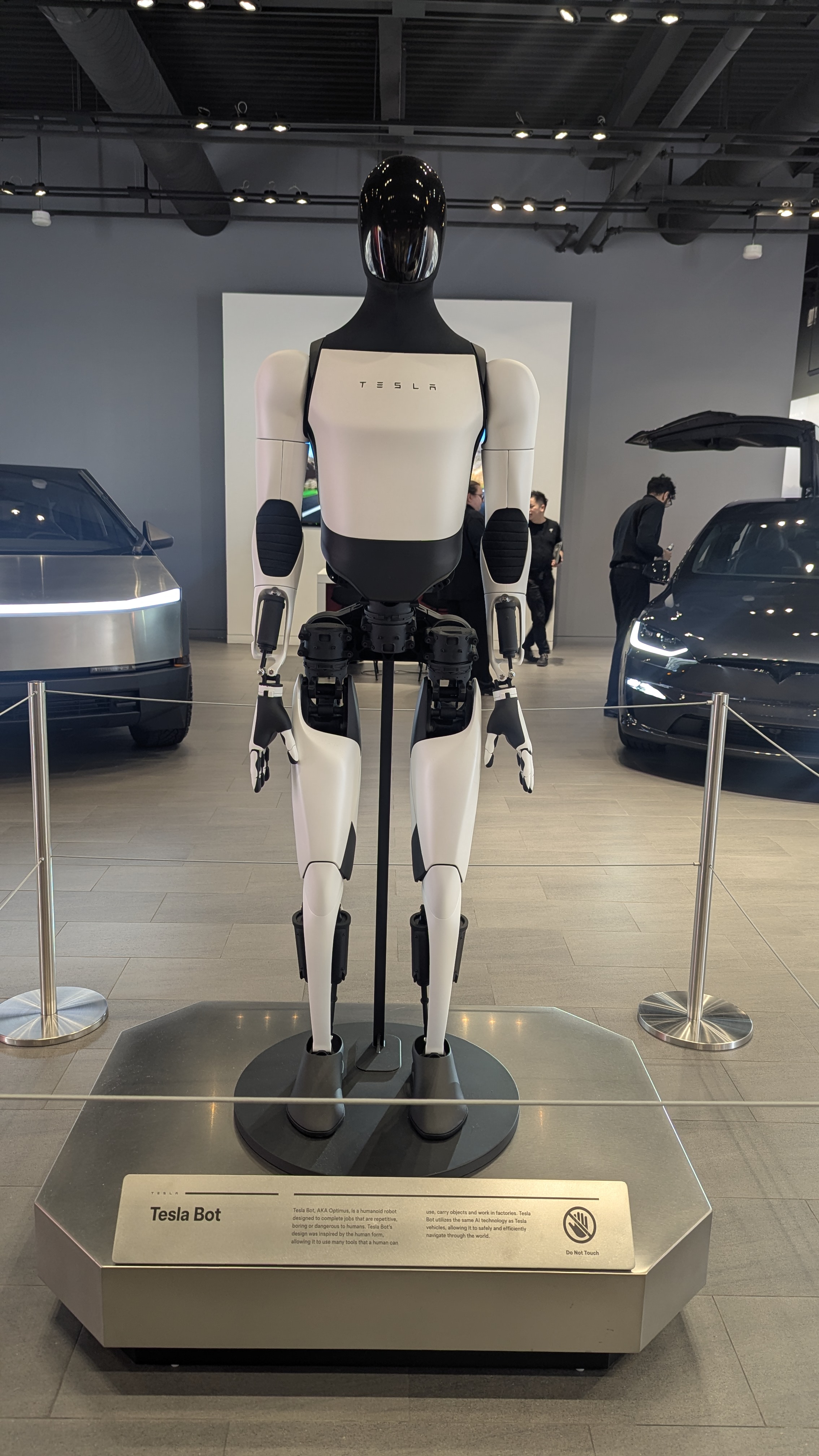
Robots Are Coming for Your Parents' Nursing Homes, Not Your Longevity
While the media chases the dream of living forever, AI companions are quietly revolutionizing elder care by addressing the real crisis: staffing shortages.
The direct answer
Mainstream coverage of geroscience breakthroughs often fixates on the aspirational goal of extending lifespan, a narrative that can feel distant and abstract for most.
However, a more immediate and tangible revolution is unfolding in elder care facilities. Companies are deploying AI-powered companion robots, like Abi, designed not to extend life indefinitely, but to alleviate the severe staffing shortages plaguing the industry [c1, c2]. These robots can engage residents in activities, provide companionship, and even help with basic monitoring, freeing up human caregivers for more critical tasks. This practical application of AI offers a realistic solution to the challenges faced by aging populations and their families today. The market for humanoid robots is projected to explode, reaching $50.27 billion by 2035, indicating a significant investment in this area
GOOD NEWS 🤖 According to exclusive report by MarketsandMarkets™, the humanoid robot market is projected to skyrocket from $5.41 billion in 2026 to $50.27 billion by 2035—compounding at a massive 28.1% annually 📈 With Optimus in mass production by the end of this year, Tesla…
— Ming link
. This shift suggests that while scientists debate extending life, practical robotics are already extending the *quality* of life for seniors by ensuring they receive necessary attention and engagement.
The 'Healthspan' Hype vs. The Reality of Care
The geroscience community often trumpets 'healthspan' – living free of disease for longer – as the next frontier. This sounds appealing, promising a future where old age isn't synonymous with frailty. Yet, the practical implications for today's seniors and their families are often overlooked in favor of futuristic, biological interventions. The urgent need is for better care *now*. The development of companion robots is a direct response to this, aiming to bridge the gap created by insufficient human staffing. These robots are designed to interact, entertain, and assist, providing a level of engagement that can be difficult to maintain with limited human resources. The focus is less on curing aging and more on managing its current challenges with available technology.
Robots: A Solution to the Caregiver Crisis
The elder care industry is grappling with a severe and worsening staffing crisis. This shortage directly impacts the quality of care residents receive. AI-powered robots like Abi are stepping into this void. Developed initially during the pandemic to combat isolation
Abi, the humanoid robot that's piloting in US senior care homes, was born out of the COVID-19 pandemic. Grace Brown started developing the colorful and compact AI robot to cope with isolation during COVID-19 lockdowns while studying mechatronics engineering at the University of…
— Mike Kalil link
, these robots offer companionship, lead activities, and can even build relationships with residents over time
BREAKING: Andromeda Robotics brings Abi, an emotional companion robot, to the US after 2 years in Australian care homes. • Talks, plays music, runs games, leads group sessions • Remembers residents and builds ongoing relationships • Helps offset care home staffing shortages…
— Ritwik Pavan link
. Crucially, they help offset the burden on human staff, allowing them to focus on more complex care needs. The market's rapid expansion, with projections showing a surge to over $50 billion by 2035
GOOD NEWS 🤖 According to exclusive report by MarketsandMarkets™, the humanoid robot market is projected to skyrocket from $5.41 billion in 2026 to $50.27 billion by 2035—compounding at a massive 28.1% annually 📈 With Optimus in mass production by the end of this year, Tesla…
— Ming link
, indicates a strong demand for these solutions. Nursing homes themselves are reaching out for business-to-business contracts, signaling a widespread adoption strategy
2 days ago, we launched our caretaker robot for seniors. here are my observations: we got so many pre-orders that our website broke. the more interesting fact: a lot of nursing homes also reached out asking for B2B contracts. we're lining up huge pilots, and some are even…
— Audrey link
.
Who's Really Paying for This Revolution?
While the headlines focus on scientific breakthroughs and the aspirational goal of extended lifespan, the immediate investors and beneficiaries are often the families of elderly individuals struggling with care. The soaring projections for the humanoid robot market, set to reach $50.27 billion by 2035
GOOD NEWS 🤖 According to exclusive report by MarketsandMarkets™, the humanoid robot market is projected to skyrocket from $5.41 billion in 2026 to $50.27 billion by 2035—compounding at a massive 28.1% annually 📈 With Optimus in mass production by the end of this year, Tesla…
— Ming link
, aren't driven by abstract scientific curiosity alone. They reflect a tangible demand from facilities and families seeking solutions to the care crisis. This isn't about the wealthy pursuing immortality; it's about ensuring that aging parents and grandparents receive adequate attention and companionship, even when human caregivers are scarce. The significant pre-order numbers and B2B contract inquiries for caretaker robots
2 days ago, we launched our caretaker robot for seniors. here are my observations: we got so many pre-orders that our website broke. the more interesting fact: a lot of nursing homes also reached out asking for B2B contracts. we're lining up huge pilots, and some are even…
— Audrey link
show that the market is already responding to this urgent, practical need.
Common mistakes
- Focusing on 'anti-aging' as a primary goal for the masses.
The popular notion of 'anti-aging' often implies a desire for indefinite youth or lifespan extension, which is an abstract and often unattainable goal for most. The real, immediate need is for improved quality of life and care during the later stages of life. - Overlooking the practical implications of AI in elder care.
While geroscience research is important, its immediate impact is less visible than the practical deployment of AI robots in nursing homes, which directly addresses critical staffing shortages and improves resident engagement. - Treating elder care robots as a novelty rather than a solution to a crisis.
The rapid development and adoption of companion robots are driven by a severe staffing crisis in the elder care industry, not just by technological curiosity. These robots represent a vital solution to a pressing societal problem.
GOOD NEWS 🤖 According to exclusive report by MarketsandMarkets™, the humanoid robot market is projected to skyrocket from $5.41 billion in 2026 to $50.27 billion by 2035—compounding at a massive 28.1% annually 📈 With Optimus in mass production by the end of this year, Tesla…
— Ming link
underscores that this isn't a niche experiment; it’s a market responding to a profound societal need.
Frequently asked
What is 'healthspan' and how does it differ from lifespan?
Healthspan refers to the period of life spent in good health, free from chronic disease and disability. Lifespan is simply the total length of life. Geroscience research increasingly focuses on extending healthspan, aiming to increase the number of healthy, active years, rather than just prolonging life.
Are companion robots replacing human caregivers?
Companion robots are designed to supplement, not replace, human caregivers. They help alleviate staffing shortages by handling tasks like providing companionship, leading activities, and basic monitoring, allowing human staff to focus on more critical care needs.
What is the market outlook for elder care robots?
The market for humanoid robots, including those used in elder care, is projected for significant growth. Projections estimate the market could reach $50.27 billion by 2035, indicating strong demand and investment in this sector.
Sources



More from Technology & Society → · Back to Perch · Browse all stories