
Robots Are Coming for Your Caregiver Role, Not Your Retirement Plan
The geroscience summit is buzzing about extending healthspan, but the real revolution might be in automating elder care with empathetic AI.
The direct answer
The conventional narrative around aging often focuses on combating disease and extending lifespan, with a hopeful glance towards scientific breakthroughs in geroscience
Abi, the humanoid robot that's piloting in US senior care homes, was born out of the COVID-19 pandemic. Grace Brown started developing the colorful and compact AI robot to cope with isolation during COVID-19 lockdowns while studying mechatronics engineering at the University of…
— Mike Kalil link
. However, the Fifth Geroscience Summit and Biomarkers of Aging Conference may be overlooking a more immediate and tangible revolution: the rise of companion robots in elder care. These AI-powered machines, like Abi, are not just tools; they're designed to provide emotional support, engage residents, and crucially, alleviate staffing shortages in senior living facilities
BREAKING: Andromeda Robotics brings Abi, an emotional companion robot, to the US after 2 years in Australian care homes. • Talks, plays music, runs games, leads group sessions • Remembers residents and builds ongoing relationships • Helps offset care home staffing shortages…
— Ritwik Pavan link
. Developed initially during the COVID-19 pandemic to combat isolation, these robots are now entering US senior care homes, with some already reporting overwhelming demand and interest from nursing homes for B2B contracts [c1, c3]. This trend is underpinned by a booming humanoid robot market, projected to reach $50.27 billion by 2035
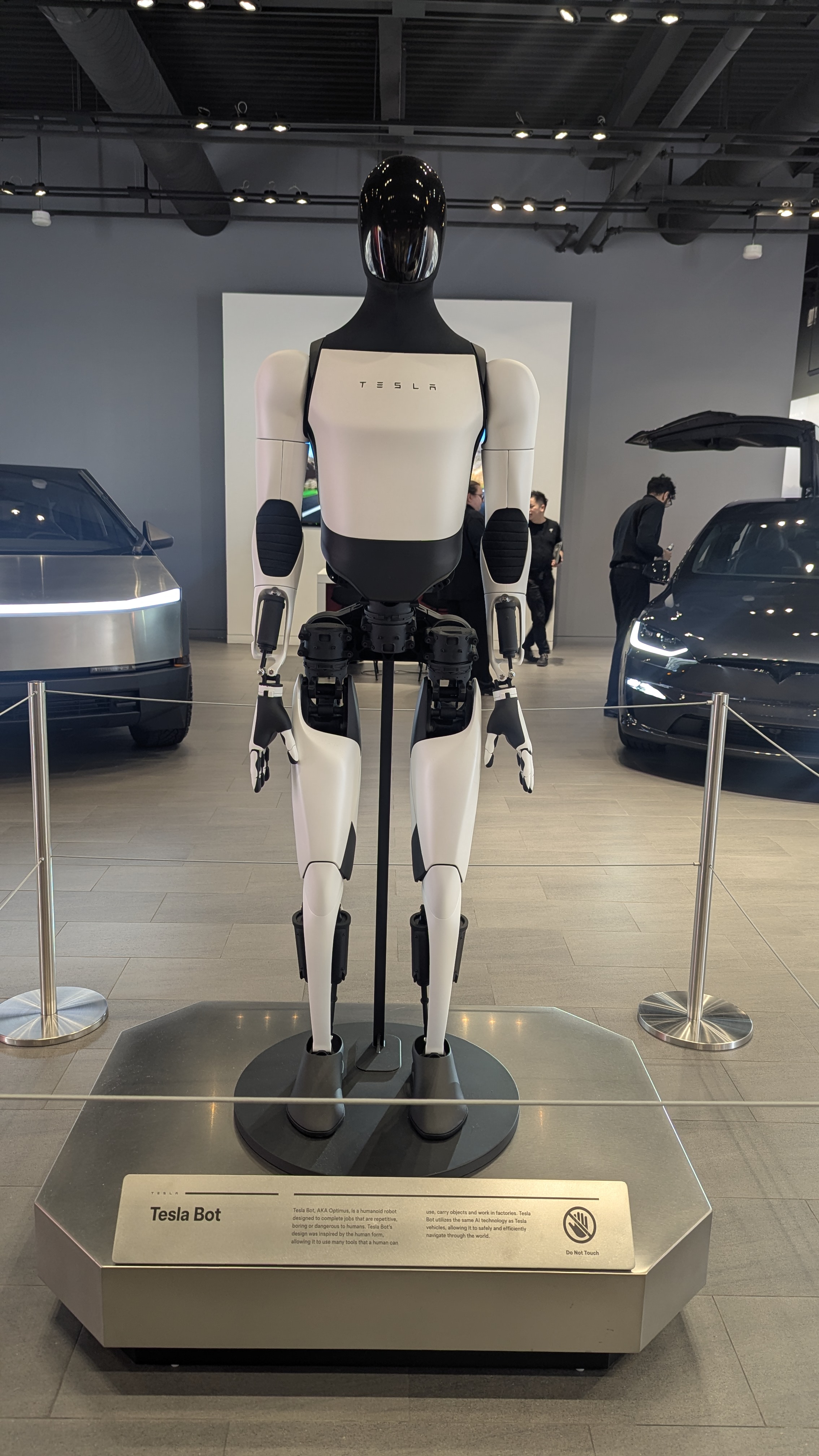
GOOD NEWS 🤖 According to exclusive report by MarketsandMarkets™, the humanoid robot market is projected to skyrocket from $5.41 billion in 2026 to $50.27 billion by 2035—compounding at a massive 28.1% annually 📈 With Optimus in mass production by the end of this year, Tesla…
— Ming link
. While geroscience aims to rewind the biological clock, these robots are already here, making a difference in the daily lives of seniors today, offering companionship and support where human caregivers are stretched thin.
The Rise of the Empathetic Automaton
The narrative surrounding aging is often dominated by the quest for longevity and disease prevention. Yet, a significant practical challenge is the quality of life for seniors, particularly concerning social isolation and the strain on care facilities. Robots like Abi are emerging as a direct response to these issues. Developed initially to combat isolation during the COVID-19 pandemic, these AI companions are designed to interact, play music, run games, and even build relationships with residents [c1, c2]. This isn't just about task automation; it's about providing emotional engagement, a critical component often lacking due to understaffing. The success of these deployments is evident in the overwhelming pre-order numbers and B2B interest from nursing homes, indicating a clear market demand for solutions that address the human element of care
2 days ago, we launched our caretaker robot for seniors. here are my observations: we got so many pre-orders that our website broke. the more interesting fact: a lot of nursing homes also reached out asking for B2B contracts. we're lining up huge pilots, and some are even…
— Audrey link
.
Beyond Longevity: The Healthspan Revolution in Practice
While the Fifth Geroscience Summit and Biomarkers of Aging Conference will undoubtedly explore cutting-edge research into extending healthspan, the immediate impact on seniors' well-being is already being felt through technology. The goal of geroscience is to prevent or delay age-related diseases, allowing individuals to live healthier lives for longer. However, the practical application of this ideal is often hampered by the realities of elder care. Companion robots, by providing consistent engagement and reducing feelings of loneliness, contribute directly to mental and emotional health, which are crucial aspects of overall well-being and healthspan. The rapid development and adoption of these robots suggest a future where technological solutions are integral to maintaining the quality of life for an aging population, complementing rather than replacing human care [c1, c2].
The Booming Market for Robotic Companions
The burgeoning field of elder care robotics is not just a niche interest; it's a rapidly expanding market. Projections indicate the humanoid robot market will skyrocket from $5.41 billion in 2026 to an astonishing $50.27 billion by 2035, growing at a compound annual rate of 28.1%
GOOD NEWS 🤖 According to exclusive report by MarketsandMarkets™, the humanoid robot market is projected to skyrocket from $5.41 billion in 2026 to $50.27 billion by 2035—compounding at a massive 28.1% annually 📈 With Optimus in mass production by the end of this year, Tesla…
— Ming link
. This explosive growth is fueled by the dual pressures of an aging global population and the persistent shortage of human caregivers. Companies are responding with increasingly sophisticated robots capable of complex social interactions, learning resident preferences, and assisting with daily routines. The fact that nursing homes are actively seeking B2B contracts for these robots underscores their perceived value in addressing operational challenges and enhancing resident care, positioning them as a critical component of future elder care infrastructure
2 days ago, we launched our caretaker robot for seniors. here are my observations: we got so many pre-orders that our website broke. the more interesting fact: a lot of nursing homes also reached out asking for B2B contracts. we're lining up huge pilots, and some are even…
— Audrey link
.
Common mistakes
- Focusing solely on lifespan extension without addressing immediate quality of life needs.
While extending lifespan is a laudable goal, the immediate reality for many seniors involves loneliness and inadequate care, which companion robots are beginning to address directly [c1, c2, c3]. - Underestimating the market and practical impact of AI in elder care.
The humanoid robot market is projected for massive growth, with significant B2B interest from care facilities, indicating a tangible shift already underway [c3, c4]. - Treating robots as mere gadgets rather than empathetic companions.
Robots like Abi are designed for social interaction and relationship building, aiming to combat isolation, a key factor in senior well-being [c2].
GOOD NEWS 🤖 According to exclusive report by MarketsandMarkets™, the humanoid robot market is projected to skyrocket from $5.41 billion in 2026 to $50.27 billion by 2035—compounding at a massive 28.1% annually 📈 With Optimus in mass production by the end of this year, Tesla…
— Ming link
. We need to acknowledge and embrace this technological shift, ensuring it enhances, rather than replaces, human connection where it matters most.
Frequently asked
Are these robots replacing human caregivers?
Not entirely. The current focus is on augmenting human care by providing companionship, reducing isolation, and assisting with tasks, thereby alleviating pressure on understaffed facilities. They are designed to supplement, not supplant, human interaction [c2, c3].
How do these robots provide emotional support?
Robots like Abi are programmed with advanced AI to engage in conversation, remember resident preferences, play music, lead activities, and generally offer a consistent, patient presence. This interaction aims to combat loneliness and improve mental well-being [c1, c2].
What is the market outlook for elder care robots?
The market is experiencing rapid growth. Projections show the humanoid robot market reaching over $50 billion by 2035, driven by an aging population and the need for innovative care solutions [c4].
Sources



More from Technology & Society → · Back to Perch · Browse all stories