
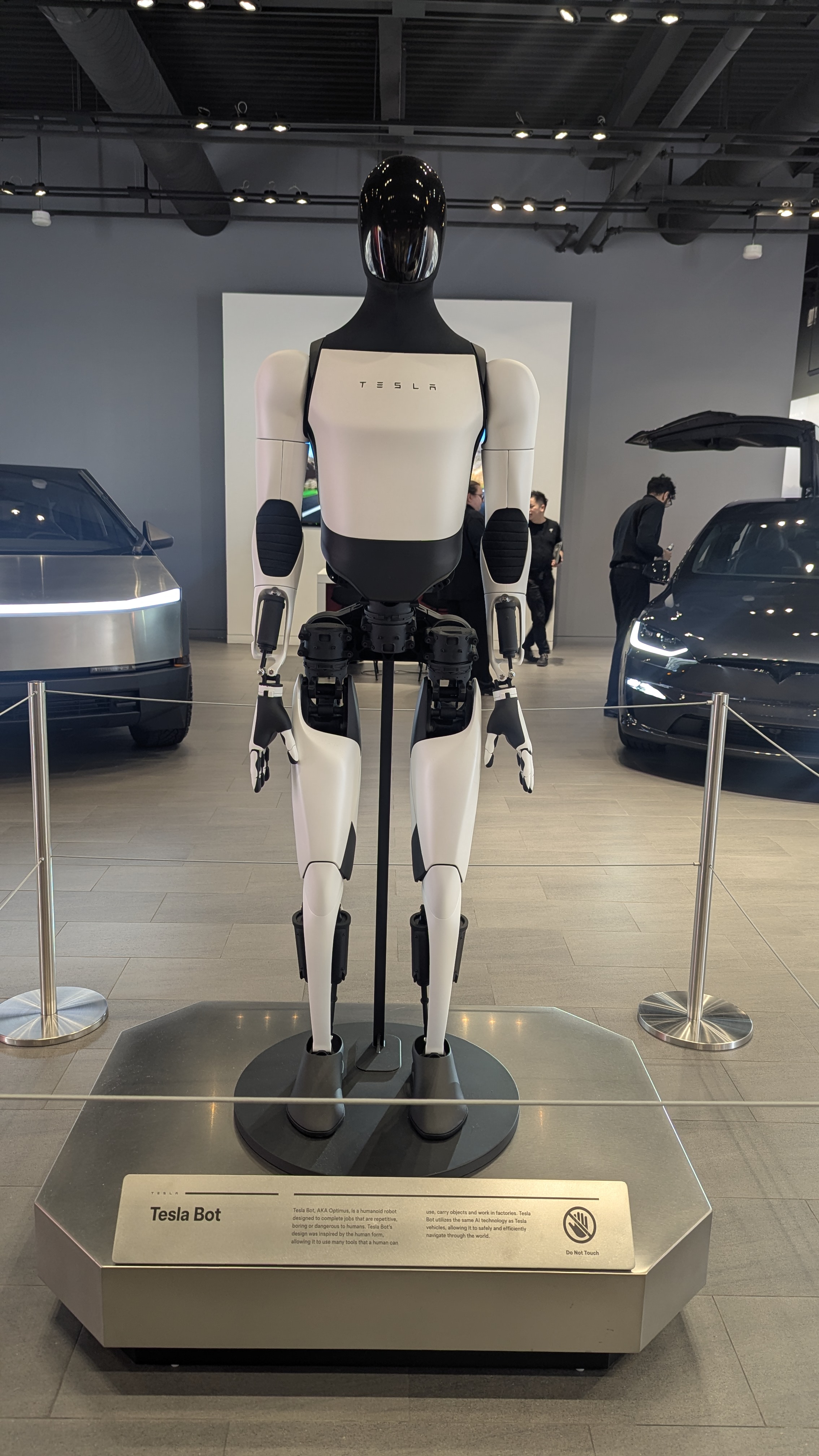
Robot Maids for Seniors: A $30/Hour Luxury or Genuine Home Care Solution?
Mainstream media touts San Francisco's new humanoid cleaners, but the real cost and efficacy for older adults raise serious questions.
The direct answer
San Francisco is piloting a service offering humanoid robots for home cleaning at a steep $30 per hour
"Beyond technical concerns, the service has sparked debate over privacy and practicality. Because remote operators rely on live video feeds, all cleaning sessions are recorded, with the footage used to train Tau Robotics' AI models."
. While media reports have focused on the novelty and convenience of AI-powered assistance, this high price point raises critical questions about accessibility for the aging population. The robots, operated remotely by human technicians who supervise their AI
"Tau's robots are operated remotely by human technicians who supervise the AI that controls them and who can step in if the devices get stuck on a particular task."
, are far from autonomous, and their capabilities are limited. Roboticist Ken Goldberg cautions that widespread reliable home cleaning by robots is likely a decade away, with current heavy units posing risks of falls or strikes
"Berkeley roboticist Ken Goldberg cautioned the heavy units could fall or strike people, and estimated a decade before robots reliably handle home cleaning autonomously."
. For older adults facing a growing shortage of human home care aides and the increasing costs associated with aging in place, the question isn't just about cleaner floors, but about genuine care. As Leana Wen points out, a robot cannot administer medication, lift a patient, or provide personal care; the cost of such a robot could instead cover the salary of a human aide
"“Can Abi administer medications?” asked Richard from Ohio. “Bathe a patient? Lift a patient out of bed and transfer to wheelchair? Change an adult diaper then clean the patient? No. So what good is she? This is about allocation of scarce resources and return on investment. The cost of a robot could cover the salary of a human aide.”"
. This pilot program appears to be a high-cost, limited-scope service that may further exacerbate existing disparities in elder care, rather than a scalable solution.
The High Price of a Helping Hand
The $30-an-hour price tag for Tau Robotics' humanoid cleaners in San Francisco immediately signals this is not a mass-market solution for elder care. This figure, when contrasted with the average wages of human home care aides, highlights a significant disparity. The cost of one hour of robot cleaning could potentially cover several hours of human assistance, especially considering the limitations of current robotic capabilities. Beyond the operational cost, the privacy implications are also substantial; all cleaning sessions are recorded for AI training
"Beyond technical concerns, the service has sparked debate over privacy and practicality. Because remote operators rely on live video feeds, all cleaning sessions are recorded, with the footage used to train Tau Robotics' AI models."
, raising concerns about data security for vulnerable individuals. This raises the question: are we prioritizing a novel technological display over practical, affordable, and essential elder care support?
Robot Capabilities vs. Elder Care Needs
The mainstream media often focuses on the 'wow' factor of humanoid robots, but the reality of their application in elder care is far more nuanced. These robots are not yet capable of the complex, personal care tasks that many seniors require. As Dr. Leana Wen pointed out, robots cannot administer medication, assist with bathing, or help with transfers from bed to wheelchair—tasks that are critical for aging in place
"“Can Abi administer medications?” asked Richard from Ohio. “Bathe a patient? Lift a patient out of bed and transfer to wheelchair? Change an adult diaper then clean the patient? No. So what good is she? This is about allocation of scarce resources and return on investment. The cost of a robot could cover the salary of a human aide.”"
. Roboticist Ken Goldberg's estimate of a decade before robots can reliably handle home cleaning autonomously
"Berkeley roboticist Ken Goldberg cautioned the heavy units could fall or strike people, and estimated a decade before robots reliably handle home cleaning autonomously."
underscores the immaturity of the technology for such sensitive applications. The current model requires remote human supervision
"Tau's robots are operated remotely by human technicians who supervise the AI that controls them and who can step in if the devices get stuck on a particular task."
, adding another layer of cost and complexity. This pilot, therefore, seems to address a secondary need (cleaning) with a high-cost, technologically dependent solution, rather than the primary needs of health and personal assistance.
Bridging the Care Gap or Widening It?
The United States faces a deepening shortage of home care aides, driven by low wages and demanding workloads
"The decades-long quest to build home robots that are both helpful and lifelike — spurred on by fictional machines like The Jetsons' humanoid maid Rosie —- is still mostly a pipe dream. That's despite growing appeal as the oldest baby boomers are turning 80 this year and the United States faces a deepening shortage of home care aides, driven by low wages, high turnover and demanding workloads."
. In this context, technological solutions like humanoid robots are often presented as a panacea. However, a $30/hour service, which requires human oversight and cannot perform essential care tasks, is unlikely to be a scalable or equitable solution. It risks becoming a luxury service for those who can afford it, further stratifying elder care options. The narrative that robots will simply replace human caregivers overlooks the essential human element of empathy, adaptability, and complex problem-solving that older adults often need. The focus should be on how to better support and compensate human caregivers, rather than investing in expensive, limited robotic alternatives.
Common mistakes
- Focusing solely on the technological novelty.
The mainstream media often highlights the 'cool factor' of robots without critically examining the cost, practicality, and actual benefit for the target demographic, seniors, who have specific and often complex care needs. - Ignoring the human element of care.
Elder care involves more than just physical tasks; it requires empathy, companionship, and nuanced judgment that current robots cannot replicate. Overlooking this can lead to solutions that are technically advanced but emotionally and practically inadequate. - Presenting a high-cost service as a general solution.
A $30/hour service is out of reach for most seniors and their families. Presenting it as a broad solution without acknowledging its exclusivity ignores the economic realities faced by the majority of the aging population.
"Tau's robots are operated remotely by human technicians who supervise the AI that controls them and who can step in if the devices get stuck on a particular task."
and unable to perform essential care tasks
"“Can Abi administer medications?” asked Richard from Ohio. “Bathe a patient? Lift a patient out of bed and transfer to wheelchair? Change an adult diaper then clean the patient? No. So what good is she? This is about allocation of scarce resources and return on investment. The cost of a robot could cover the salary of a human aide.”"
—render it a luxury, not a solution. The decades-long quest for truly autonomous home robots is far from over
"The decades-long quest to build home robots that are both helpful and lifelike — spurred on by fictional machines like The Jetsons' humanoid maid Rosie —- is still mostly a pipe dream. That's despite growing appeal as the oldest baby boomers are turning 80 this year and the United States faces a deepening shortage of home care aides, driven by low wages, high turnover and demanding workloads."
, and the promise of robots reliably handling complex home cleaning is still years away
"Berkeley roboticist Ken Goldberg cautioned the heavy units could fall or strike people, and estimated a decade before robots reliably handle home cleaning autonomously."
. This pilot program, by focusing on a superficial task like cleaning at an exorbitant price, risks widening the gap in accessible elder care, diverting attention and resources from more pressing needs.
Frequently asked
What are the actual capabilities of these humanoid robot cleaners?
The humanoid robots in the San Francisco pilot can perform basic cleaning tasks like vacuuming and mopping. However, they require remote human supervision for operation and cannot handle complex personal care needs such as administering medication, assisting with bathing, or lifting individuals. Their AI is also trained using recorded cleaning sessions [c2, c3, c5].
Is this robot cleaning service affordable for most seniors?
At $30 per hour, this service is likely a luxury rather than an accessible solution for the majority of seniors. The cost is substantial and could potentially fund human caregivers who can offer a wider range of essential services, including personal care and companionship.
When can we expect robots to reliably perform complex home cleaning autonomously?
According to roboticist Ken Goldberg, it may be a decade before robots can reliably handle home cleaning autonomously. Current heavy units also pose potential safety risks [c1]. The technology is still in its early stages for widespread, independent home use.
Sources



More from Technology & Society → · Back to Perch · Browse all stories