
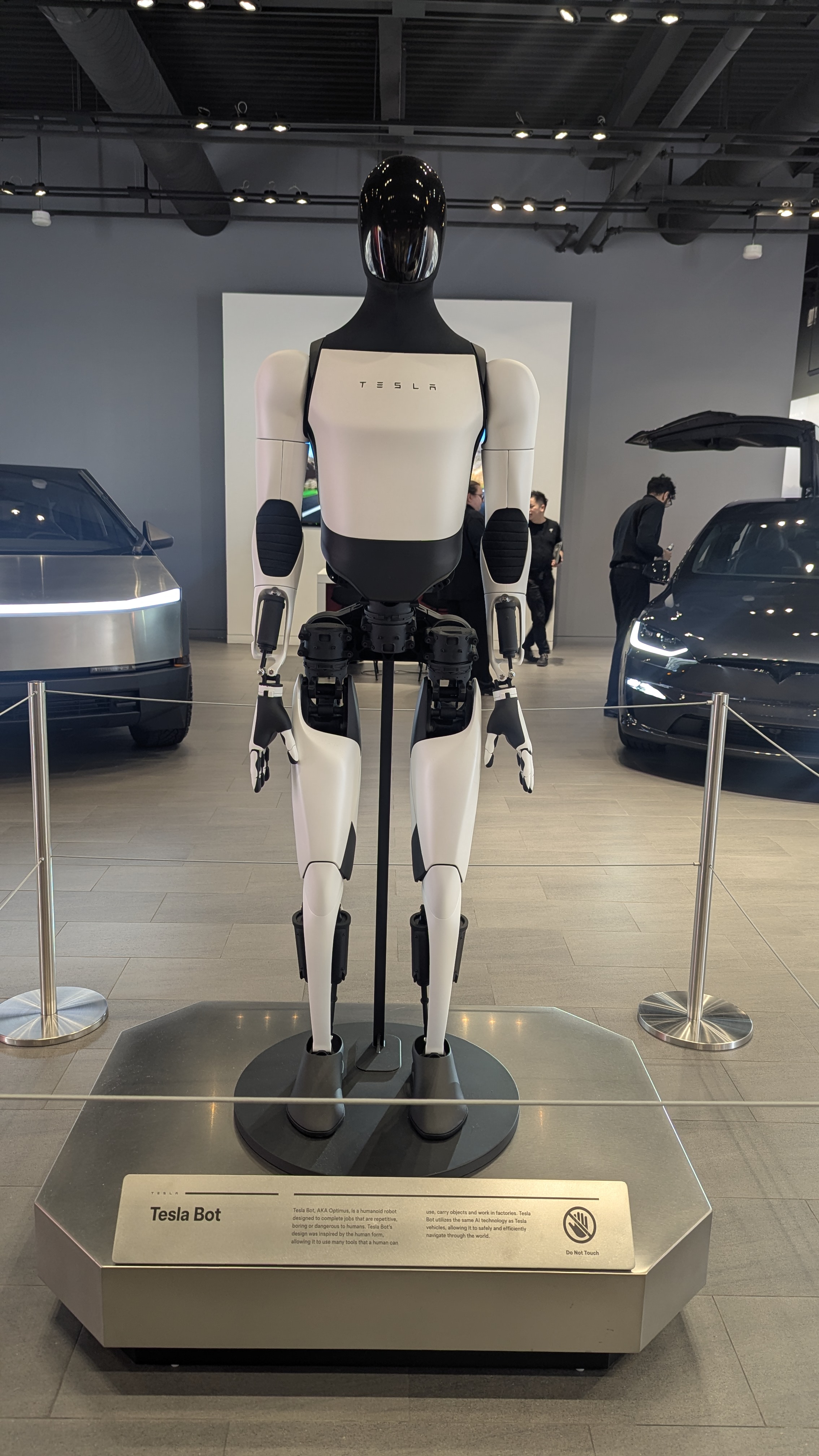
Humanoid Robots Are Coming for Your Parents' Care, Not Just Your Sci-Fi Dreams
Mainstream media missed the real story: robots aren't just a futuristic novelty, they're an impending economic reality for elder care, and the 55+ demographic will foot the bill.
The direct answer
The integration of humanoid robots into senior care is not a distant sci-fi fantasy, but an imminent disruption to traditional staffing models and care economics. While often framed as futuristic gadgets, these machines are poised to handle routine tasks like medication reminders, fall detection, and basic assistance with Activities of Daily Living (ADLs) [c2, c3]. This shift directly impacts the 55+ demographic, who will increasingly rely on these technologies as the cost and availability of human caregivers become more challenging. China, for instance, is actively promoting intelligent home systems for elderly care, including early warning and risk prevention
"China will promote the adoption of intelligent home systems and explore services for early warning and prevention of safety risks in home-based elderly care, according to the guidelines."
. Companies are developing specialized robots, like MIT's E-BAR, designed to physically support the elderly and prevent falls
"They have built and tested the Elderly Bodily Assistance Robot, or E-BAR, a mobile robot designed to physically support the elderly and prevent them from falling as they move around their homes."
. This technological wave promises to reshape how care is delivered and financed, presenting both opportunities and significant economic considerations for seniors and their families.
Beyond the Novelty: The Economic Imperative
While headlines might tout humanoid robots as companions or futuristic marvels, the underlying driver is stark economics. The cost of skilled nursing and in-home care is soaring, creating a critical gap that technology is poised to fill. Robots can manage routine but time-consuming tasks, freeing up human caregivers for more complex needs, or, more likely, reducing the overall demand for human labor in certain capacities
"In practice, robots don't replace skilled nursing, but they can handle routine tasks that currently eat a caregiver's time: medication reminders, fall detection, check-in conversations."
. This isn't just about efficiency; it's about making care economically viable. Think of it as the Mint Mobile of elder care – a more affordable alternative to the premium, human-staffed model, especially as global initiatives push for intelligent home systems for the elderly
"China will promote the adoption of intelligent home systems and explore services for early warning and prevention of safety risks in home-based elderly care, according to the guidelines."
. The market is already signaling this shift; companies like Velo have seen strong performance, with analysts noting traction in areas that hint at the growing adoption of advanced care technologies
$VELO : Lake Street - Strong beat with GM rebounding, RPS traction continues; 2026 still set to be inflection year; reiterating buy rating and raising PT to $20
— Tut C🅰️pital link
.
Fall Detection and ADL Automation: The Practical Edge
The most immediate impact of humanoid robots in senior care will be in critical safety and daily living assistance. These robots are being engineered to perform functions that directly address major concerns for seniors and their families: fall detection and response, medication management, and assistance with Activities of Daily Living (ADLs). For instance, systems can monitor vital signs, provide medication reminders, and crucially, detect falls, transmitting alerts to caregivers or emergency services in real-time
"Medical assistance robots integrate health monitoring with daily care routines. They can track vital signs (heart rate, blood pressure, blood oxygen), provide medication reminders, detect falls, and transmit health data to physicians or family members in real time."
. Research institutions like MIT are developing robots specifically designed to physically support individuals and prevent falls, a significant cause of injury and long-term care needs
"They have built and tested the Elderly Bodily Assistance Robot, or E-BAR, a mobile robot designed to physically support the elderly and prevent them from falling as they move around their homes."
. This practical application moves robots from the realm of speculative fiction to essential tools for maintaining independence and safety.
The 55+ Demographic: Facing the Robot Care Reality
For the 55+ population, this technological evolution represents a fundamental shift in how their future care will be delivered and financed. As the cost of human care continues to rise, and the availability of qualified caregivers dwindles, seniors will increasingly look towards robotic solutions. This means understanding the capabilities and limitations of these machines, and crucially, the financial implications. Will insurance cover robotic care? What are the long-term costs of maintenance and upgrades? These are questions that the industry is still grappling with, but the trend is undeniable. The choices made today by policymakers and developers will directly shape the care landscape for millions, making it imperative for individuals in this age bracket to stay informed about these advancements and advocate for their needs.
Common mistakes
- Focusing solely on the futuristic aspect without addressing the economic drivers.
The real story isn't just that robots *can* do these things, but *why* they are being developed and adopted so rapidly – to address the unsustainable costs and labor shortages in traditional senior care. - Presenting robots as a direct replacement for human caregivers across the board.
While robots will automate tasks, the nuanced reality is that they are likely to augment human care, handling routine duties while humans manage complex emotional and medical needs. Overstating replacement diminishes the value of human connection. - Ignoring the specific financial and practical implications for the 55+ demographic.
The article needs to directly address how this technological shift impacts seniors' budgets, independence, and future care planning, rather than treating it as a general societal trend.
"Medical assistance robots integrate health monitoring with daily care routines. They can track vital signs (heart rate, blood pressure, blood oxygen), provide medication reminders, detect falls, and transmit health data to physicians or family members in real time."
isn't just an option, it's an inevitability driven by market forces. The 55+ demographic, and those planning for their own futures, need to understand that this isn't about convenience; it's about the future affordability and accessibility of care, a reality that will soon be as tangible as a stock price rebounding
$VELO : Lake Street - Strong beat with GM rebounding, RPS traction continues; 2026 still set to be inflection year; reiterating buy rating and raising PT to $20
— Tut C🅰️pital link
.
Frequently asked
Will robots replace human caregivers entirely?
It's unlikely they will replace human caregivers entirely. Robots are best suited for routine tasks like medication reminders, monitoring, and basic physical assistance [c2, c3]. They are expected to augment human care, allowing human caregivers to focus on more complex medical and emotional needs, or to cover gaps where human caregivers are unavailable or too costly.
How soon will humanoid robots be common in senior care?
While advanced prototypes exist and pilot programs are underway, widespread adoption will depend on technological maturity, cost reduction, and regulatory frameworks. However, the economic pressures in elder care suggest a faster timeline than many anticipate, with significant integration likely within the next 5-10 years [c4].
What are the biggest benefits of robots in elder care?
The key benefits include enhanced safety through fall detection and automated alerts, consistent medication management, assistance with daily living activities, and continuous monitoring. This can lead to greater independence for seniors, reduced burden on human caregivers, and potentially lower overall care costs [c3, c5].
Sources


More from Technology & Society → · Back to Perch · Browse all stories