
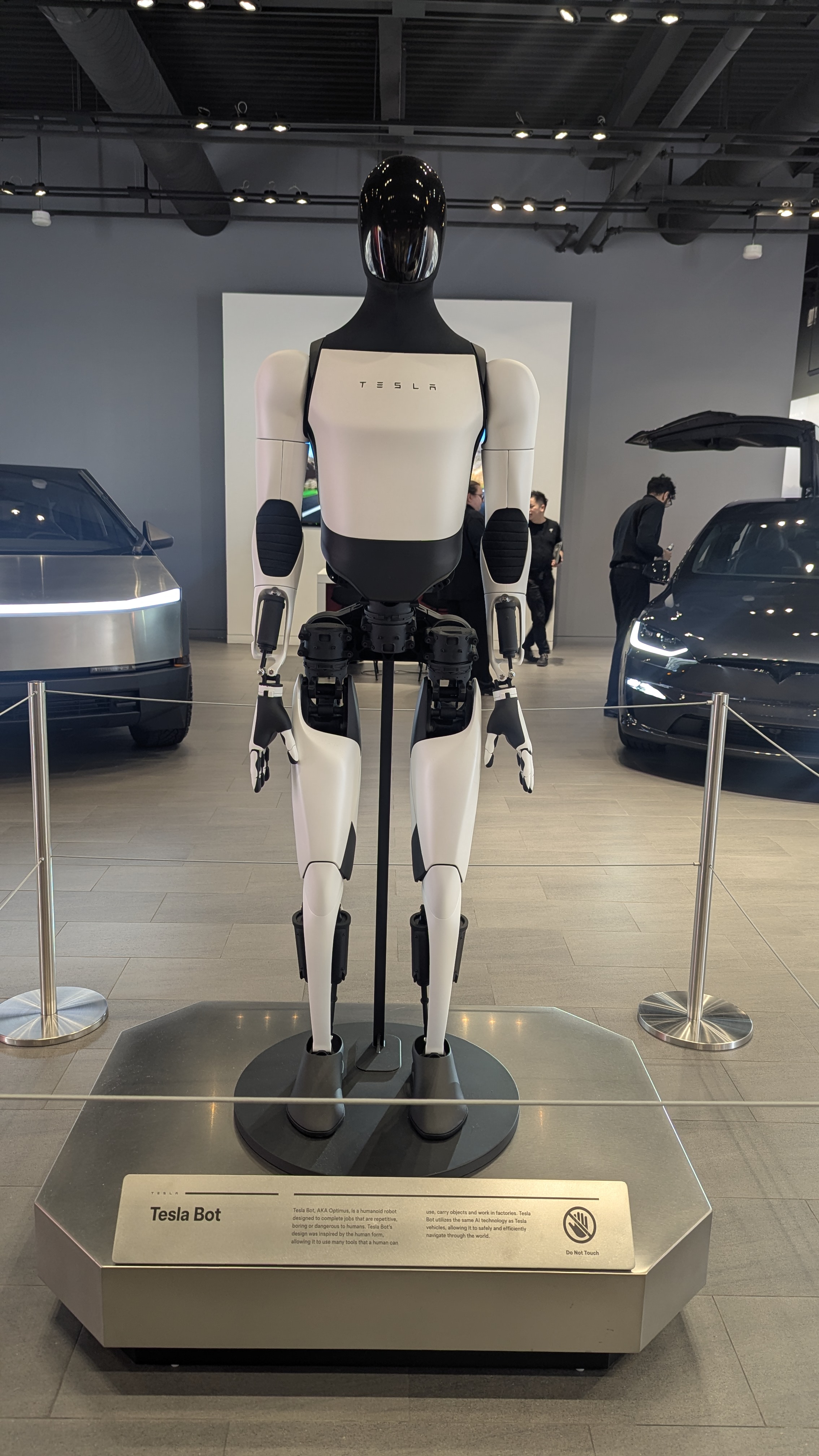
Your Parents' Next Caregiver Might Be a Robot, and That's Okay
Forget the sci-fi nightmare. Social robots are quietly revolutionizing elder care, tackling loneliness and cognitive decline in ways human hands can't.
The direct answer
The conventional wisdom is that no machine can replace human connection for our aging loved ones. Yet, the burgeoning field of social robotics is challenging this deeply held belief. Companies are seeing unprecedented demand for robots designed to assist seniors, with pre-orders crashing websites and nursing homes clamoring for business-to-business contracts
2 days ago, we launched our caretaker robot for seniors. here are my observations: we got so many pre-orders that our website broke. the more interesting fact: a lot of nursing homes also reached out asking for B2B contracts. we're lining up huge pilots, and some are even…
— Audrey link
. These aren't just clunky automatons; they are sophisticated companions like 'Abi,' an emotional robot already making waves in US care homes after years in Australia
BREAKING: Andromeda Robotics brings Abi, an emotional companion robot, to the US after 2 years in Australian care homes. • Talks, plays music, runs games, leads group sessions • Remembers residents and builds ongoing relationships • Helps offset care home staffing shortages…
— Ritwik Pavan link
. Abi can converse, play music, lead activities, and crucially, remember residents, building ongoing relationships that help combat the pervasive loneliness and isolation so common in later life. Developed partly in response to COVID-19 lockdowns and the resulting isolation
Abi, the humanoid robot that's piloting in US senior care homes, was born out of the COVID-19 pandemic. Grace Brown started developing the colorful and compact AI robot to cope with isolation during COVID-19 lockdowns while studying mechatronics engineering at the University of…
— Mike Kalil link
, these robots are proving to be more than just novelties. They offer a tangible solution to staffing shortages in care facilities and provide consistent, patient interaction that can significantly support cognitive well-being. The question is no longer *if* robots will be part of elder care, but *how* we can best integrate them to enhance, not replace, human dignity and connection.
The Unforeseen Demand for Digital Companions
The market response to social robots for seniors has been nothing short of explosive. One startup, Audrey, saw its website buckle under the weight of pre-orders for its caretaker robot, a clear signal that the demand for such technology far outstrips initial projections
2 days ago, we launched our caretaker robot for seniors. here are my observations: we got so many pre-orders that our website broke. the more interesting fact: a lot of nursing homes also reached out asking for B2B contracts. we're lining up huge pilots, and some are even…
— Audrey link
. What's particularly telling is the significant interest from nursing homes seeking business-to-business contracts, indicating a strategic adoption by institutions grappling with operational challenges. These aren't niche products; they are seen as essential tools for the future of elder care. The rapid uptake suggests that facilities are looking for scalable solutions to staffing shortages and the ever-present need for consistent resident engagement. The industry is moving at a pace that suggests this is not a trend, but a fundamental shift in care provision
2 days ago, we launched our caretaker robot for seniors. here are my observations: we got so many pre-orders that our website broke. the more interesting fact: a lot of nursing homes also reached out asking for B2B contracts. we're lining up huge pilots, and some are even…
— Audrey link
.
Beyond Physical Aid: Emotional and Cognitive Engagement
While early robotic assistance focused on physical tasks, the new generation of social robots excels in emotional and cognitive support. Andromeda Robotics' Abi, for instance, is designed to be an 'emotional companion'
BREAKING: Andromeda Robotics brings Abi, an emotional companion robot, to the US after 2 years in Australian care homes. • Talks, plays music, runs games, leads group sessions • Remembers residents and builds ongoing relationships • Helps offset care home staffing shortages…
— Ritwik Pavan link
. It engages residents through conversation, music, and games, but its true value lies in its ability to remember individuals and foster ongoing relationships. This personalized interaction is crucial for combating the isolation and cognitive decline often associated with aging. The development of robots like Abi, partly spurred by the need to address isolation during the COVID-19 pandemic
Abi, the humanoid robot that's piloting in US senior care homes, was born out of the COVID-19 pandemic. Grace Brown started developing the colorful and compact AI robot to cope with isolation during COVID-19 lockdowns while studying mechatronics engineering at the University of…
— Mike Kalil link
, highlights a growing understanding that companionship itself is a vital component of well-being. These machines are programmed not just to serve, but to connect, offering a consistent, patient presence that can be profoundly beneficial.
Bridging the Gap: Staffing Solutions and Dignity
The increasing reliance on social robots is also a pragmatic response to the critical staffing shortages plaguing the elder care sector. Robots can handle routine social interactions, lead group activities, and provide reminders, thereby alleviating some of the pressure on human caregivers. This allows human staff to focus on more complex medical needs and personalized care that truly requires human empathy. The technology is not intended to replace human touch but to augment it, ensuring that residents receive consistent attention even when staffing is stretched thin. This dual benefit—easing the burden on staff while enhancing the resident experience—is a compelling argument for the widespread adoption of these technologies. It offers a path towards maintaining dignity and quality of life for seniors without demanding an unsustainable human workforce
BREAKING: Andromeda Robotics brings Abi, an emotional companion robot, to the US after 2 years in Australian care homes. • Talks, plays music, runs games, leads group sessions • Remembers residents and builds ongoing relationships • Helps offset care home staffing shortages…
— Ritwik Pavan link
.
Common mistakes
- Assuming robots will fully replace human caregivers.
The current trajectory and stated goals of social robotics in elder care are augmentation, not replacement. They aim to fill gaps and provide consistent interaction, freeing human staff for more critical tasks. - Focusing only on the technology's features without considering the emotional impact.
The core value proposition of these robots lies in their ability to combat loneliness and provide companionship, addressing emotional and cognitive needs, not just functional ones. - Ignoring the economic and logistical drivers behind adoption.
Staffing shortages and the desire for scalable solutions are significant factors driving the demand for social robots in elder care facilities.
Frequently asked
Can social robots truly provide companionship?
While they don't replicate human empathy, social robots can offer consistent interaction, memory recall, and engagement in activities, which significantly alleviates loneliness and provides a sense of companionship for many seniors.
Are these robots expensive?
The cost varies, but the high demand from both individuals and institutions suggests that pricing is becoming competitive, especially when weighed against the costs of human care and the potential benefits to resident well-being.
Will robots replace my parent's human caregivers?
The primary goal is to supplement human care, not replace it. Robots handle routine social engagement, freeing up human staff for more complex medical and personal care needs.


