
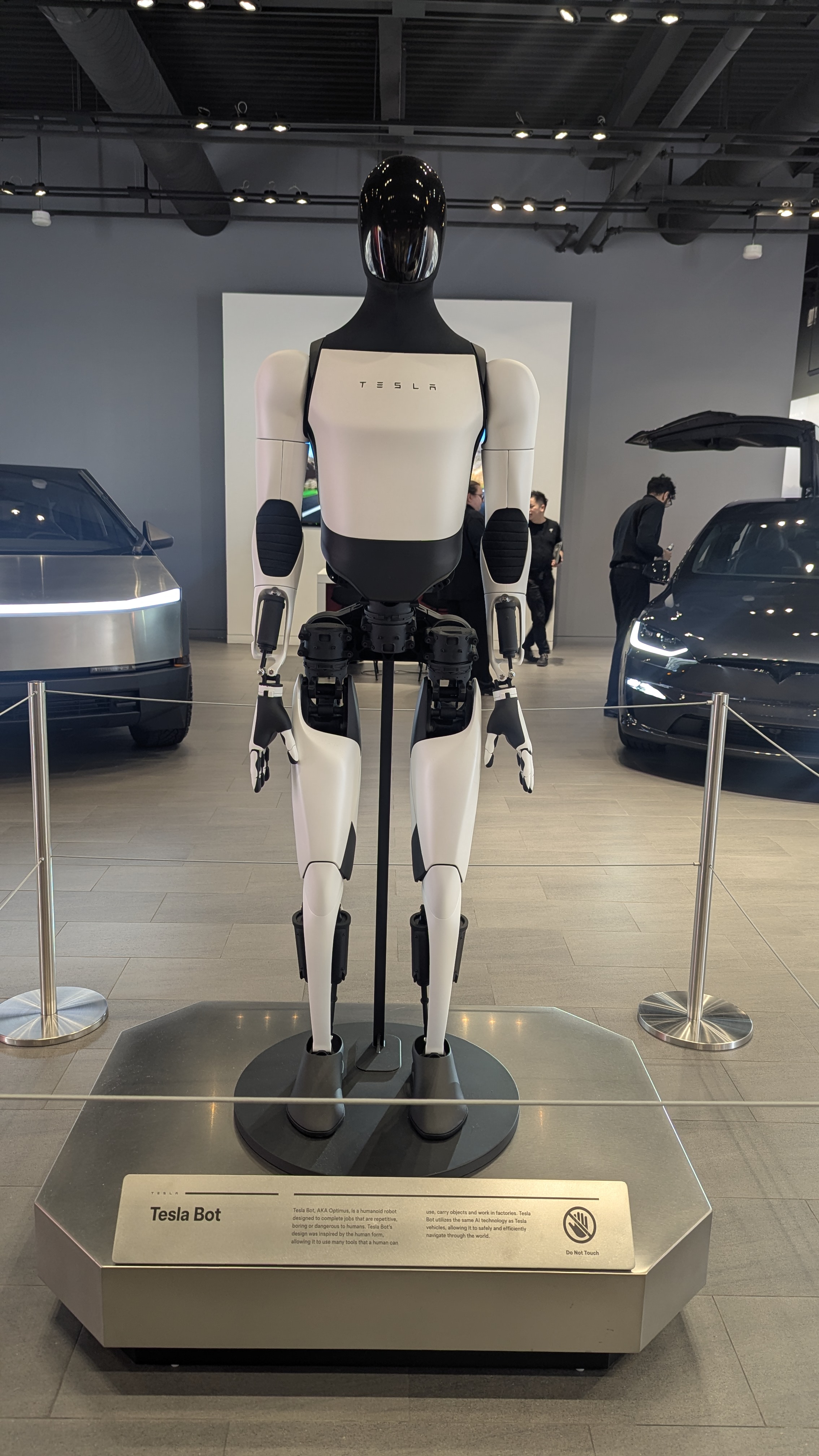
Humanoid Robots Show Off Care Skills, Prompting $50 Billion Market Boom by 2035
A new generation of artificial caregivers is stepping out of the lab and into homes, but the real conversation needs to be about the human element they can't replace.
Two days ago, Audrey, a company that launched its caretaker robot for seniors, reported that they received so many pre-orders their website crashed [c1]. The more interesting fact, according to Audrey’s post, was that a lot of nursing homes also reached out asking for B2B contracts, lining up huge pilots and even some pilots that were already moving forward. I read it while waiting for my mom’s prescription refill, the kind of mundane waiting game that fills most of my days now. I thought about the sheer number of times I’ve had to explain to her, for the tenth time that hour, that the TV remote isn’t going to spontaneously combust. My complaint about these stories is that they always frame it as a technological marvel, a sleek solution to a growing problem. The industry response, echoed in the excitement around these robot launches, is that these machines will fill staffing gaps and provide constant support. But here’s the kill shot: the real value isn't in the physical tasks these robots can do, but in the data they can collect on human interaction. The industry defense misses the point entirely. The real fix isn't just about having a robot that can fetch a glass of water; it's about ensuring that the human connection doesn't get lost in the automation. So, this week, ask your local pharmacy about their ‘medication synchronization’ program, which can consolidate your refills and reduce the number of times you’re stuck waiting with nothing but news about robots to read.
The direct answer
The rapid advancement and deployment of humanoid robots in elder care, as seen in recent competitions and market projections, signal a significant shift towards technological assistance for older adults [c1, c4]. These robots are designed to perform daily living tasks and offer companionship, with the humanoid robot market expected to surge from $5.41 billion in 2026 to $50.27 billion by 2035
GOOD NEWS 🤖 According to exclusive report by MarketsandMarkets™, the humanoid robot market is projected to skyrocket from $5.41 billion in 2026 to $50.27 billion by 2035—compounding at a massive 28.1% annually 📈 With Optimus in mass production by the end of this year, Tesla…
— Ming link
. Companies are already seeing substantial interest from both individual consumers and care facilities, indicating a strong demand for these solutions to address staffing shortages and provide consistent support [c1, c2]. However, the focus on technological capabilities must be balanced with the irreplaceable value of human interaction and emotional connection in caregiving.
The Market Surge Beyond Theory
The practical application of humanoid robots in elder care is no longer a theoretical discussion; it's a burgeoning market. Reports indicate the humanoid robot market is projected to skyrocket from $5.41 billion in 2026 to $50.27 billion by 2035, growing at an annual rate of 28.1%
GOOD NEWS 🤖 According to exclusive report by MarketsandMarkets™, the humanoid robot market is projected to skyrocket from $5.41 billion in 2026 to $50.27 billion by 2035—compounding at a massive 28.1% annually 📈 With Optimus in mass production by the end of this year, Tesla…
— Ming link
. This exponential growth is fueled by a clear demand, with companies like Audrey experiencing website crashes due to overwhelming pre-orders for their caretaker robots
2 days ago, we launched our caretaker robot for seniors. here are my observations: we got so many pre-orders that our website broke. the more interesting fact: a lot of nursing homes also reached out asking for B2B contracts. we're lining up huge pilots, and some are even…
— Audrey link
. The interest isn't limited to individual households; nursing homes are actively seeking business-to-business contracts, signaling a significant shift in how care facilities are looking to integrate advanced technology to meet operational needs and resident care demands.
Emotional Companionship: A Robot's Frontier
Beyond physical assistance, a key area of development for humanoid robots is emotional companionship. Robots like Abi are being introduced to the US market after successful trials in Australian care homes, where they engage residents through conversation, music, games, and group sessions
BREAKING: Andromeda Robotics brings Abi, an emotional companion robot, to the US after 2 years in Australian care homes. • Talks, plays music, runs games, leads group sessions • Remembers residents and builds ongoing relationships • Helps offset care home staffing shortages…
— Ritwik Pavan link
. These robots are designed to remember residents and build ongoing relationships, aiming to combat isolation and provide a consistent presence
BREAKING: Andromeda Robotics brings Abi, an emotional companion robot, to the US after 2 years in Australian care homes. • Talks, plays music, runs games, leads group sessions • Remembers residents and builds ongoing relationships • Helps offset care home staffing shortages…
— Ritwik Pavan link
. The development of Abi, for instance, was partly inspired by the need to cope with isolation during COVID-19 lockdowns, highlighting how societal challenges are driving innovation in AI-driven companionship
Abi, the humanoid robot that's piloting in US senior care homes, was born out of the COVID-19 pandemic. Grace Brown started developing the colorful and compact AI robot to cope with isolation during COVID-19 lockdowns while studying mechatronics engineering at the University of…
— Mike Kalil link
.
Bridging the Care Gap, Ethically
The integration of humanoid robots is presented as a solution to the persistent staffing shortages in the caregiving sector
BREAKING: Andromeda Robotics brings Abi, an emotional companion robot, to the US after 2 years in Australian care homes. • Talks, plays music, runs games, leads group sessions • Remembers residents and builds ongoing relationships • Helps offset care home staffing shortages…
— Ritwik Pavan link
. While robots can undoubtedly perform repetitive tasks and offer a form of consistent interaction, the ethical implications of relying on AI for emotional and relational care require careful consideration. The drive towards a $50.27 billion market by 2035
GOOD NEWS 🤖 According to exclusive report by MarketsandMarkets™, the humanoid robot market is projected to skyrocket from $5.41 billion in 2026 to $50.27 billion by 2035—compounding at a massive 28.1% annually 📈 With Optimus in mass production by the end of this year, Tesla…
— Ming link
suggests a strong economic incentive. However, the core of caregiving involves empathy, nuanced understanding, and the human touch, elements that current AI, no matter how sophisticated, cannot fully replicate. The focus must remain on how these technologies augment, rather than replace, the essential human element of care.
Common mistakes
- Focusing solely on the technological capabilities of robots.
The narrative often highlights what robots *can* do physically or conversationally, but fails to adequately address the irreplaceable emotional and empathetic aspects of human caregiving. - Presenting robots as a complete solution to caregiving challenges.
While robots can assist with tasks and provide companionship, they are not a substitute for human interaction, emotional support, and the nuanced understanding that caregivers provide. - Overlooking the ethical considerations of AI in intimate care roles.
The rapid market growth and adoption of caregiving robots raise questions about data privacy, the potential for over-reliance on technology, and the impact on human relationships.
GOOD NEWS 🤖 According to exclusive report by MarketsandMarkets™, the humanoid robot market is projected to skyrocket from $5.41 billion in 2026 to $50.27 billion by 2035—compounding at a massive 28.1% annually 📈 With Optimus in mass production by the end of this year, Tesla…
— Ming link
highlights a significant industry push, but we must question whether 'care' can truly be automated. The development of robots like Abi, designed to build relationships and lead group sessions [c2, c3], touches on this, but the nuanced emotional support and empathy a human provides remain paramount.
Frequently asked
What is the projected growth of the humanoid robot market for elder care?
The humanoid robot market is projected to surge from $5.41 billion in 2026 to $50.27 billion by 2035, indicating significant future investment and adoption.
Can humanoid robots replace human caregivers?
Humanoid robots can assist with daily tasks and provide companionship, but they cannot fully replicate the empathy, emotional nuance, and genuine connection that human caregivers offer.
What are the main benefits of using humanoid robots in elder care?
Benefits include assistance with daily living activities, companionship to combat isolation, and potential solutions for staffing shortages in care facilities.


