
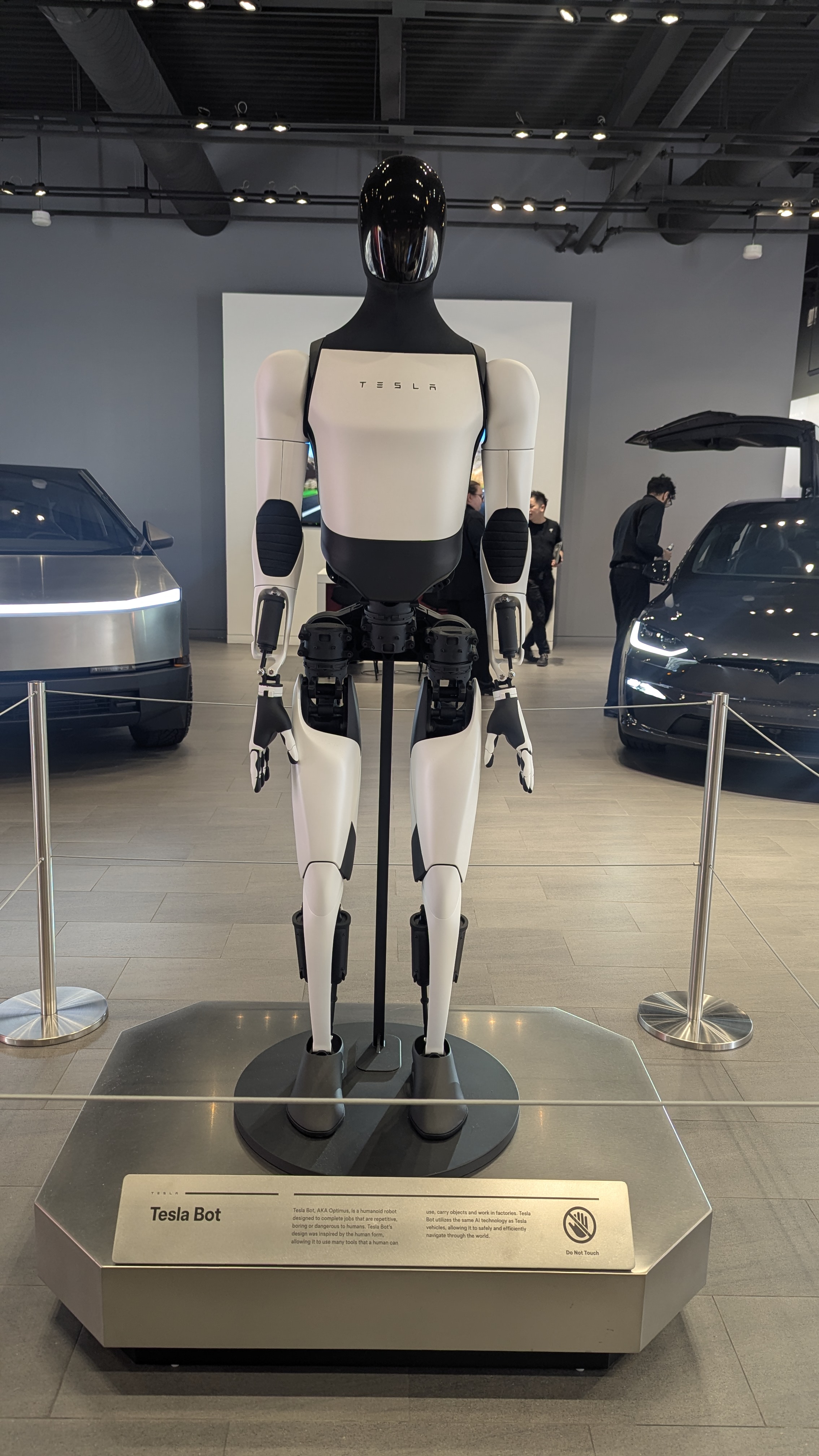
Elder-Care Robots Are Booming, But Who's Really Paying for the Loneliness Solution?
The market is projected to reach billions, yet the focus on efficiency overlooks the growing ethical quandary of robotic companionship.
The direct answer
The market for elder-care and companion robots is poised for explosive growth, with projections reaching $5.2 billion by 2036
Abi, the humanoid robot that's piloting in US senior care homes, was born out of the COVID-19 pandemic. Grace Brown started developing the colorful and compact AI robot to cope with isolation during COVID-19 lockdowns while studying mechatronics engineering at the University of…
— Mike Kalil link
. While the narrative often centers on alleviating caregiver shortages and providing 'dementia therapy,' this focus conveniently sidesteps the profound ethical questions surrounding the increasing reliance on machines for social interaction. Companies like Andromeda Robotics are already piloting 'Abi,' an emotional companion robot designed to talk, play music, and even build ongoing relationships with residents
BREAKING: Andromeda Robotics brings Abi, an emotional companion robot, to the US after 2 years in Australian care homes. • Talks, plays music, runs games, leads group sessions • Remembers residents and builds ongoing relationships • Helps offset care home staffing shortages…
— Ritwik Pavan link
. The demand is so high that one startup's caretaker robot launch saw its website crash under pre-orders, with significant interest from nursing homes seeking B2B contracts
2 days ago, we launched our caretaker robot for seniors. here are my observations: we got so many pre-orders that our website broke. the more interesting fact: a lot of nursing homes also reached out asking for B2B contracts. we're lining up huge pilots, and some are even…
— Audrey link
. This rapid adoption, fueled by a perceived need for efficiency and a desire to combat isolation, raises concerns about whether these robots are truly enhancing lives or merely a high-tech placebo for human connection, potentially exacerbating social isolation in the long run.
The Hype Machine: More Than Just a Helping Hand
The headlines trumpet solutions for overburdened caregivers and lonely seniors, painting a rosy picture of robotic assistance. Reports highlight robots capable of complex social interaction, like Abi, which remembers residents and leads group sessions
BREAKING: Andromeda Robotics brings Abi, an emotional companion robot, to the US after 2 years in Australian care homes. • Talks, plays music, runs games, leads group sessions • Remembers residents and builds ongoing relationships • Helps offset care home staffing shortages…
— Ritwik Pavan link
. The market's rapid ascent, with pre-orders crashing websites and nursing homes clamoring for B2B deals
2 days ago, we launched our caretaker robot for seniors. here are my observations: we got so many pre-orders that our website broke. the more interesting fact: a lot of nursing homes also reached out asking for B2B contracts. we're lining up huge pilots, and some are even…
— Audrey link
, underscores a powerful demand. This demand is being met with sophisticated AI designed to mimic empathy and connection, a development some trace back to pandemic-induced isolation
Abi, the humanoid robot that's piloting in US senior care homes, was born out of the COVID-19 pandemic. Grace Brown started developing the colorful and compact AI robot to cope with isolation during COVID-19 lockdowns while studying mechatronics engineering at the University of…
— Mike Kalil link
. However, the industry's narrative rarely interrogates the long-term consequences of substituting genuine human connection with programmed responses, framing robots as a panacea rather than a complex ethical dilemma.
Who Actually Pays for 'Care'?
While the market is booming, the question of who truly benefits and who bears the ultimate cost of this robotic care is often obscured. The industry narrative focuses on efficiency and addressing caregiver shortages, a compelling pitch for institutions. Yet, the individuals receiving this 'care' are the ones most at risk of increased social isolation. When a robot becomes the primary source of interaction, it can diminish the need for and availability of human caregivers, not to mention the natural inclination for human-to-human relationships. The financial projections, while impressive, mask the potential societal cost of reduced empathy and connection, a trade-off that benefits the market more than the elderly.
The Unspoken Cost: Social Isolation as a Feature
The very features that make these robots appealing—their tireless availability, their programmed pleasantness—are also the source of ethical concern. While robots like Abi are lauded for building 'ongoing relationships'
BREAKING: Andromeda Robotics brings Abi, an emotional companion robot, to the US after 2 years in Australian care homes. • Talks, plays music, runs games, leads group sessions • Remembers residents and builds ongoing relationships • Helps offset care home staffing shortages…
— Ritwik Pavan link
, this programmed intimacy is a far cry from authentic human connection. The danger lies in a future where human interaction becomes a premium service, while robotic companionship is the default. This isn't just about avoiding loneliness; it's about maintaining dignity and the fundamental human need for genuine social engagement. The industry's focus on 'dementia therapy' and 'caregiver support' conveniently sidesteps the ethical quandary of whether we are inadvertently creating more isolated environments, albeit technologically advanced ones.
Common mistakes
- Focusing solely on the technological capabilities of elder-care robots.
This overlooks the critical ethical dimension of social isolation and the potential for reduced human interaction, which is central to the concern about these devices. - Presenting the market growth as an unmitigated positive.
The narrative needs to critically examine the societal implications and potential downsides, rather than simply reporting on market projections and industry enthusiasm. - Using generic language about 'improving quality of life' without specifying the mechanisms or potential trade-offs.
The article needs to be specific about how robots are intended to help and what human elements might be sacrificed in the process.
BREAKING: Andromeda Robotics brings Abi, an emotional companion robot, to the US after 2 years in Australian care homes. • Talks, plays music, runs games, leads group sessions • Remembers residents and builds ongoing relationships • Helps offset care home staffing shortages…
— Ritwik Pavan link
, is a Trojan horse for reducing human contact. The narrative of 'robotic assistance' conveniently masks a deeper societal trend: outsourcing emotional labor to machines. This isn't just about efficiency; it's about a fundamental shift in how we care for our most vulnerable, potentially leading to profound social isolation under the guise of technological progress.
Frequently asked
What is the projected market size for elder-care robots?
The market for elder-care and companion robots is projected to reach $5.2 billion by 2036. This significant growth is driven by factors like increasing elderly populations, caregiver shortages, and advancements in AI and robotics.
What are the main ethical concerns regarding elder-care robots?
The primary ethical concern is the potential for increased social isolation. While robots can provide assistance and programmed interaction, they may reduce opportunities for genuine human connection, which is vital for emotional well-being and cognitive health.
How are companies marketing these robots?
Companies are marketing these robots by highlighting their ability to alleviate caregiver shortages, provide companionship, assist with daily tasks, and offer therapeutic benefits, particularly for individuals with dementia.


