
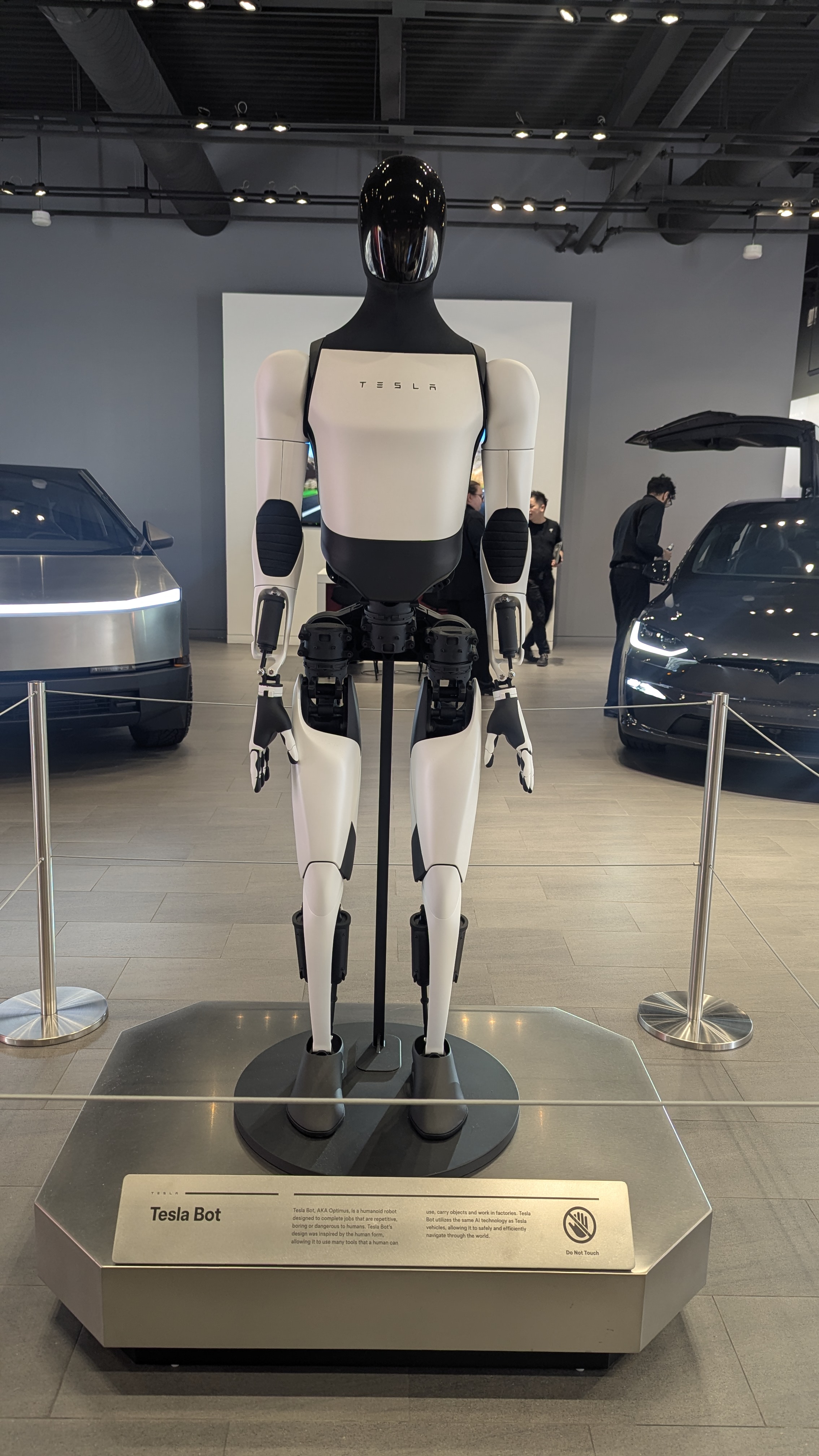
Tesla Optimus for Elder Care: Privacy Fears Trump Promises for Many Seniors in 2026
A new study reveals that while robots like Optimus promise convenience, older adults are deeply concerned about surveillance in their most private spaces.
The humanoid robot market is projected to skyrocket from $5.41 billion in 2026 to $50.27 billion by 2035 [c1]. I saw that number and immediately thought about my mom. Not about the shiny tech, but about the sheer amount of data a thing like Tesla's Optimus would collect if it were helping her. My mom has memory issues, and I’m her day-to-day caregiver. She lives alone, and the idea of a robot watching her, especially in the bathroom or bedroom, makes my stomach clench. The current narrative around these robots, especially for elder care, feels incredibly naive. It’s all about efficiency and support, glossing over the fundamental human need for privacy. The industry’s go-to defense is usually about how these tools are designed to help and protect. For instance, they might say, 'These systems are built with robust security measures to ensure data is anonymized and protected.' That's the party line. But here’s the kill shot: the very environments where these robots would be most useful – private homes, for personal care tasks – are precisely where privacy stakes are highest and negotiating power is lowest [c2]. The Ramsey County example I read about last week, where older adults lost millions to scams, wasn’t just about being fooled; it was about trust being exploited over time. These robots, if not handled with extreme caution, could create a whole new level of exploitation, not by scammers, but by the very companies providing the 'care.' The concrete move here isn't about buying robots; it's about demanding transparency. Ask your local representatives about data privacy regulations specifically for AI-powered elder care technologies. Push for clear guidelines on what data is collected, how it's stored, and who has access.
The direct answer
A 2026 study indicates that while humanoid robots like Tesla Optimus are poised for significant market growth, particularly in elder care, many older adults are deeply concerned about privacy and surveillance [c1, c2]. The promise of assistance is frequently overshadowed by fears of intimate moments being monitored, especially in private spaces like bathrooms and bedrooms
"Camera-based monitoring systems raise the sharpest privacy concerns. A fall detection camera in a bedroom or bathroom captures intimate moments of a person's life — dressing, bathing, sex — that no one should have access to without explicit, informed consent."
. This challenges the optimistic narrative of technological progress, as the very households that could benefit most also have the highest privacy stakes
"The households with the strongest functional case for Optimus — elderly care and disability assistance — are also the households with the highest privacy stakes and the least negotiating power over data terms."
.
The Privacy Paradox of Assistive Robots
The rapid advancement and projected market growth of humanoid robots like Tesla Optimus present a complex dilemma for elder care
GOOD NEWS 🤖 According to exclusive report by MarketsandMarkets™, the humanoid robot market is projected to skyrocket from $5.41 billion in 2026 to $50.27 billion by 2035—compounding at a massive 28.1% annually 📈 With Optimus in mass production by the end of this year, Tesla…
— Ming link
. While proponents envision these machines offering invaluable assistance, a significant barrier to adoption among older adults is the fear of privacy invasion
"A majority of older adults are unsure if AgeTech will protect their privacy – and that has real implications for product acceptance."
. Camera-based monitoring systems, essential for many assistive functions, raise acute concerns about intimate moments being captured and potentially accessed without explicit consent
"Camera-based monitoring systems raise the sharpest privacy concerns. A fall detection camera in a bedroom or bathroom captures intimate moments of a person's life — dressing, bathing, sex — that no one should have access to without explicit, informed consent."
. This is particularly true for tasks such as dressing or bathing, where the need for privacy is paramount. The households that stand to gain the most from such technology – those requiring elder care or disability assistance – also carry the highest privacy risks and often have less leverage in negotiating data terms with providers
"The households with the strongest functional case for Optimus — elderly care and disability assistance — are also the households with the highest privacy stakes and the least negotiating power over data terms."
.
Challenging the Narrative of Unfettered Progress
Mainstream coverage of AI in elder care often focuses on the technological marvel and potential benefits, framing it as an inevitable progression. However, this narrative frequently misses the nuanced perspective of the end-users, particularly older adults. A majority of seniors are uncertain if 'AgeTech' will adequately protect their privacy, a concern that directly impacts product acceptance
"A majority of older adults are unsure if AgeTech will protect their privacy – and that has real implications for product acceptance."
. The promise of robots alleviating caregiver burdens
"Introducing social partners like Sava into elder care is a novel way of managing patient needs and alleviating caregivers of burdens associated with daily care in a rapidly aging society, so long as robots are implemented in an ethical and effective manner."
is compelling, but it cannot come at the cost of surrendering fundamental privacy rights. The ethical implementation of carebots hinges on ensuring they enhance, rather than erode, the autonomy and dignity of those they serve. This requires a critical examination of data collection practices and user consent mechanisms, moving beyond a simplistic view of technological advancement.
The Underestimated Stakes of Data in Private Spaces
The projection of the humanoid robot market to $50.27 billion by 2035 underscores a significant shift in caregiving technology
GOOD NEWS 🤖 According to exclusive report by MarketsandMarkets™, the humanoid robot market is projected to skyrocket from $5.41 billion in 2026 to $50.27 billion by 2035—compounding at a massive 28.1% annually 📈 With Optimus in mass production by the end of this year, Tesla…
— Ming link
. Yet, the core issue remains: who controls the data generated by robots operating within the most personal environments? Households with elderly individuals often have the highest privacy stakes and the least negotiating power over data terms
"The households with the strongest functional case for Optimus — elderly care and disability assistance — are also the households with the highest privacy stakes and the least negotiating power over data terms."
. This means that while robots might perform tasks like fall detection or offering companionship, they simultaneously become sophisticated surveillance devices. The ethical debate must therefore extend beyond functionality to address the profound implications of intimate data being collected, stored, and potentially shared. Without stringent regulations and transparent practices, the benefits of assistive robotics could be overshadowed by the risks of pervasive surveillance
"Camera-based monitoring systems raise the sharpest privacy concerns. A fall detection camera in a bedroom or bathroom captures intimate moments of a person's life — dressing, bathing, sex — that no one should have access to without explicit, informed consent."
.
Common mistakes
- Focusing solely on the technological capabilities of robots.
This overlooks the critical human element of privacy and dignity, which is a major concern for many older adults considering assistive technology. - Presenting AI robots as a universally beneficial solution for elder care.
This fails to acknowledge the significant privacy and surveillance concerns that can outweigh perceived benefits for many individuals, especially in private home settings. - Downplaying the risks of data collection and potential misuse.
The intimate nature of data collected in personal care scenarios requires a much higher standard of ethical consideration and user control than often presented by industry proponents.
GOOD NEWS 🤖 According to exclusive report by MarketsandMarkets™, the humanoid robot market is projected to skyrocket from $5.41 billion in 2026 to $50.27 billion by 2035—compounding at a massive 28.1% annually 📈 With Optimus in mass production by the end of this year, Tesla…
— Ming link
, the ethical implications for older adults are being sidelined. The notion that these robots can seamlessly integrate into private lives for caregiving ignores the fundamental right to privacy, particularly during personal tasks
"Camera-based monitoring systems raise the sharpest privacy concerns. A fall detection camera in a bedroom or bathroom captures intimate moments of a person's life — dressing, bathing, sex — that no one should have access to without explicit, informed consent."
. The industry's focus on functionality and market growth must be tempered by a robust ethical framework that prioritizes the autonomy and privacy of those receiving care
"Introducing social partners like Sava into elder care is a novel way of managing patient needs and alleviating caregivers of burdens associated with daily care in a rapidly aging society, so long as robots are implemented in an ethical and effective manner."
.
Frequently asked
What are the main privacy concerns with AI robots in elder care?
The primary concerns involve surveillance in private spaces, collection of intimate personal data, and potential misuse or unauthorized access to this sensitive information.
How is the humanoid robot market projected to grow?
The market is expected to surge from $5.41 billion in 2026 to $50.27 billion by 2035, indicating significant industry investment and expected adoption.
What is the industry's typical response to privacy concerns?
The industry often emphasizes robust security measures, data anonymization, and the protective benefits of the technology, framing it as essential for safety and assistance.
Are older adults generally receptive to AI in caregiving?
Many older adults are unsure if 'AgeTech' will protect their privacy, making privacy concerns a significant barrier to the acceptance of these new technologies.
Sources



More from robots-trope → · Back to Perch · Browse all stories