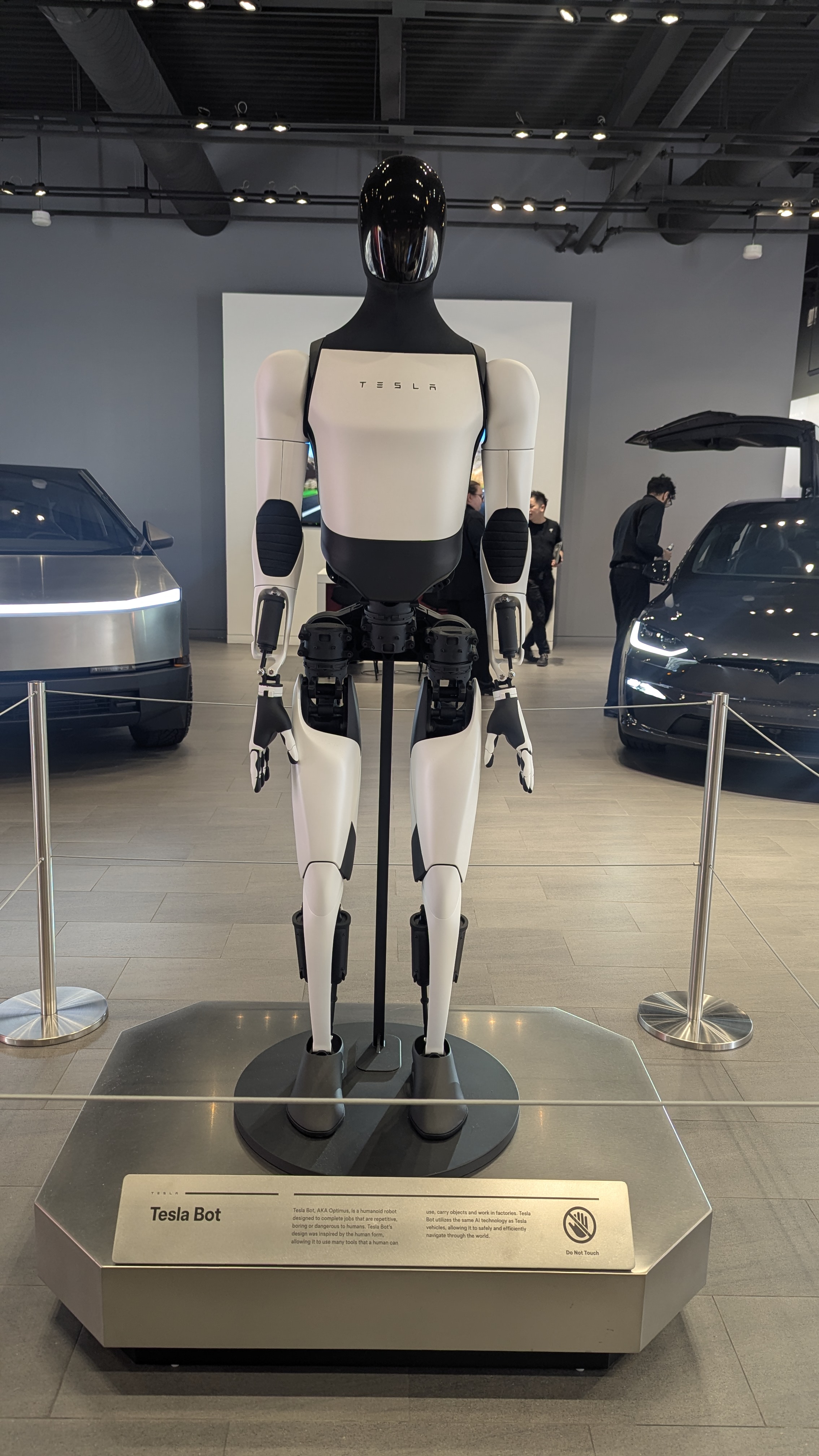
Tesla Optimus Delayed: Will Robots Ever Care for Your Parents By 2025?
The much-hyped humanoid robot's production timeline slips, raising questions about its impact on elder care and the booming robotics market.
The direct answer
Tesla's Optimus humanoid robot production has been pushed back from late July/August to 'later this year,' with initial output expected to be 'quite slow.'
GOOD NEWS 🤖 According to exclusive report by MarketsandMarkets™, the humanoid robot market is projected to skyrocket from $5.41 billion in 2026 to $50.27 billion by 2035—compounding at a massive 28.1% annually 📈 With Optimus in mass production by the end of this year, Tesla…
— Ming link
This delay means the widespread integration of such advanced robots into senior care facilities, a prospect many have anticipated, is now further off than previously hoped. The humanoid robot market, however, is projected for massive growth, expected to skyrocket from $5.41 billion in 2026 to $50.27 billion by 2035 at a 28.1% annual compound rate.
GOOD NEWS 🤖 According to exclusive report by MarketsandMarkets™, the humanoid robot market is projected to skyrocket from $5.41 billion in 2026 to $50.27 billion by 2035—compounding at a massive 28.1% annually 📈 With Optimus in mass production by the end of this year, Tesla…
— Ming link
While Optimus faces production hurdles, other robotic solutions are already making inroads. For instance, Abi, an emotional companion robot, is being piloted in US senior care homes, designed to combat isolation and assist with resident engagement. [c2, c4]
The Humanoid Robot Gold Rush
The projected growth for the humanoid robot market is nothing short of explosive, with estimates placing its value at $50.27 billion by 2035, up from $5.41 billion in 2026.
GOOD NEWS 🤖 According to exclusive report by MarketsandMarkets™, the humanoid robot market is projected to skyrocket from $5.41 billion in 2026 to $50.27 billion by 2035—compounding at a massive 28.1% annually 📈 With Optimus in mass production by the end of this year, Tesla…
— Ming link
This staggering figure, driven by anticipated mass production of models like Tesla's Optimus, signals a significant shift in how industries, including elder care, might operate. Companies are betting heavily on these machines to revolutionize tasks ranging from manufacturing to personal assistance. The sheer scale of this projected market growth suggests that investors and developers see humanoid robots as the next frontier in automation, promising unprecedented efficiency and capability. This bullish outlook, however, often outpaces the actual technological readiness and manufacturing scalability, as evidenced by recent production schedule adjustments.
Current Caregiving Bots: A Different Reality
While the dream of a fully functional humanoid butler for every senior remains on the horizon, smaller, more specialized robots are already carving out niches in elder care. Take Abi, an emotional companion robot developed to combat isolation during the pandemic, which is now being piloted in US senior care homes. [c2, c4] These bots are designed for specific functions: engaging residents in conversation, playing music, running games, and even remembering individual preferences to build ongoing relationships.
BREAKING: Andromeda Robotics brings Abi, an emotional companion robot, to the US after 2 years in Australian care homes. • Talks, plays music, runs games, leads group sessions • Remembers residents and builds ongoing relationships • Helps offset care home staffing shortages…
— Ritwik Pavan link
The success of such initiatives is evident in the overwhelming interest from nursing homes seeking B2B contracts, with one startup reporting website crashes due to pre-orders and significant interest in large-scale pilot programs.
2 days ago, we launched our caretaker robot for seniors. here are my observations: we got so many pre-orders that our website broke. the more interesting fact: a lot of nursing homes also reached out asking for B2B contracts. we're lining up huge pilots, and some are even…
— Audrey link
This suggests that practical, albeit less glamorous, robotic solutions are already demonstrating their value and meeting immediate needs in the sector.
The Optimus Timeline: A Reality Check
The recent adjustment to Tesla's Optimus production schedule, moving from late July/August to 'later this year' with an expectation of 'quite slow' initial output, serves as a crucial reminder of the inherent complexities in advanced robotics manufacturing.
GOOD NEWS 🤖 According to exclusive report by MarketsandMarkets™, the humanoid robot market is projected to skyrocket from $5.41 billion in 2026 to $50.27 billion by 2035—compounding at a massive 28.1% annually 📈 With Optimus in mass production by the end of this year, Tesla…
— Ming link
Ambitious timelines often falter against the real-world challenges of scaling production for intricate machines like humanoid robots. While the promise of Optimus is significant – potentially impacting everything from factory floors to domestic assistance – its delayed entry means the disruption it could bring to elder care is not imminent. This ebb and flow in production targets is common for cutting-edge technology, but it highlights the gap between aspirational goals and the painstaking process of bringing such sophisticated devices to market reliably and affordably.
Common mistakes
- Focusing only on Tesla's Optimus without acknowledging other existing or developing care robots.
The article must provide a broader context by including examples of robots already in the caregiving space, such as Abi, to illustrate the current state of the art and potential alternatives to the hyped, delayed Optimus. - Presenting the delay as a complete failure rather than a common occurrence in advanced tech manufacturing.
While critical of delays, the tone should acknowledge the inherent difficulty of producing complex robots at scale, framing it as a realistic challenge rather than a definitive indictment of the technology's potential.
GOOD NEWS 🤖 According to exclusive report by MarketsandMarkets™, the humanoid robot market is projected to skyrocket from $5.41 billion in 2026 to $50.27 billion by 2035—compounding at a massive 28.1% annually 📈 With Optimus in mass production by the end of this year, Tesla…
— Ming link
While the market projections for humanoid robots are astronomical, the practical challenges of mass production and reliable deployment in sensitive environments like senior care are immense.
2 days ago, we launched our caretaker robot for seniors. here are my observations: we got so many pre-orders that our website broke. the more interesting fact: a lot of nursing homes also reached out asking for B2B contracts. we're lining up huge pilots, and some are even…
— Audrey link
The industry needs to temper expectations and focus on the tangible benefits and limitations of current technologies, rather than relying on future promises. The real innovation in elder care automation might come from more specialized, less ambitious robots already in development and deployment, like companion bots designed for specific tasks. [c2, c4]
Frequently asked
When is Tesla's Optimus robot expected to be available?
Tesla's Optimus robot production has been delayed from late July/August to 'later this year,' with initial output expected to be 'quite slow.'
What is the projected market size for humanoid robots?
The humanoid robot market is projected to grow from $5.41 billion in 2026 to $50.27 billion by 2035, growing at a 28.1% annual rate.
Are there robots already being used in senior care?
Yes, robots like Abi are being piloted in US senior care homes to provide companionship, play games, and help offset staffing shortages by engaging residents.