
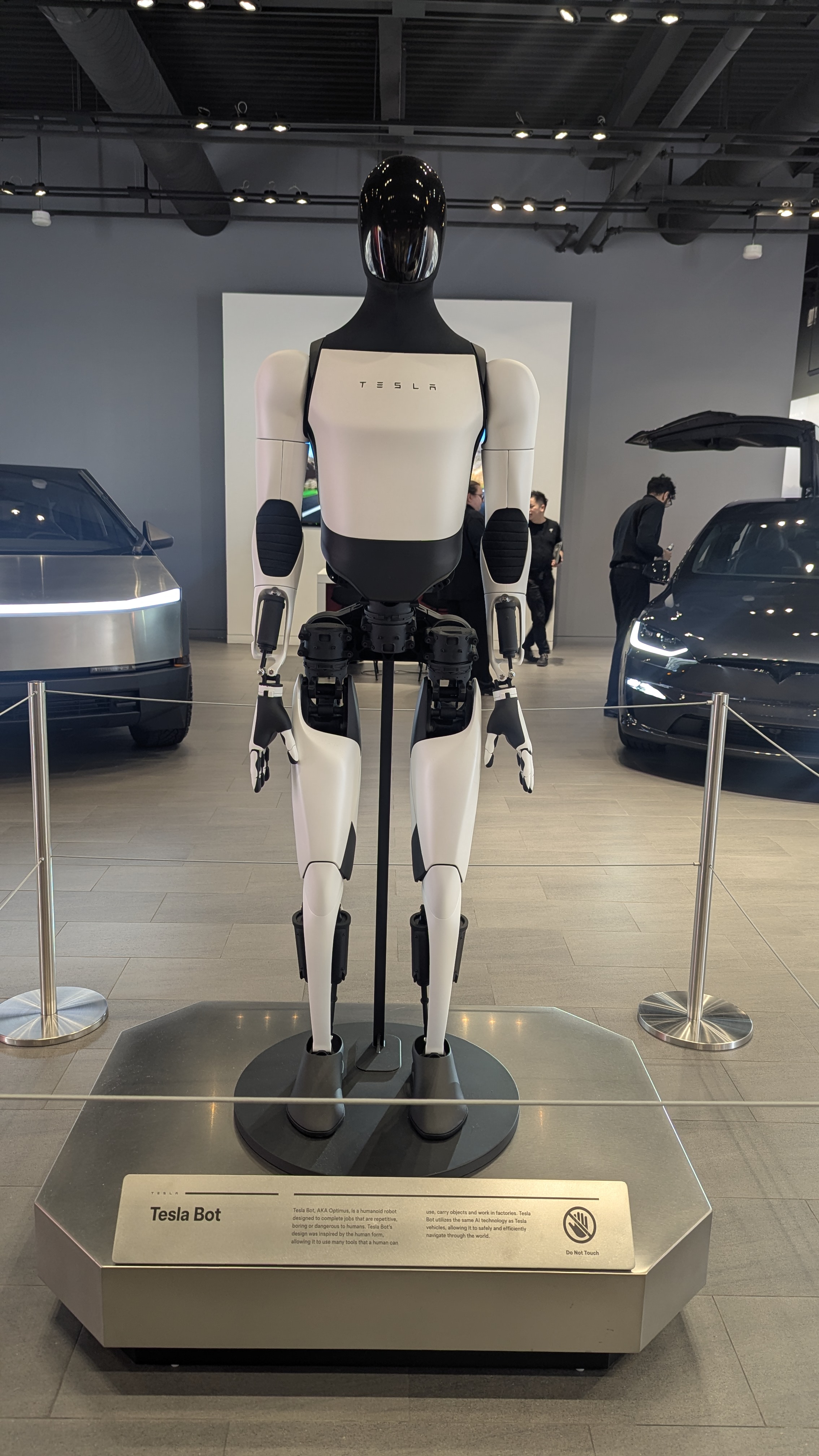
Your Parents' Future Care: Not Robots, But Companionship Bots Are Coming
The eldercare crisis is here, and while fully autonomous caregivers are science fiction, AI companions are already proving their worth in combating loneliness and staff shortages.
The direct answer
The global population aged 65 and over is projected to reach 1.5 billion by 2050, exacerbating an already critical caregiver shortage, estimated to hit 13.5 million by 2040
2 days ago, we launched our caretaker robot for seniors. here are my observations: we got so many pre-orders that our website broke. the more interesting fact: a lot of nursing homes also reached out asking for B2B contracts. we're lining up huge pilots, and some are even…
— Audrey link
. While the idea of fully autonomous humanoid robots caring for our loved ones remains largely in the realm of science fiction, more specialized AI companions are proving their mettle. Robots like 1X NEO and Abi are being deployed not for complex medical procedures, but for routine tasks and, crucially, to provide companionship and reduce isolation among seniors. Abi, for instance, was developed during the COVID-19 pandemic to combat isolation
Abi, the humanoid robot that's piloting in US senior care homes, was born out of the COVID-19 pandemic. Grace Brown started developing the colorful and compact AI robot to cope with isolation during COVID-19 lockdowns while studying mechatronics engineering at the University of…
— Mike Kalil link
and is now piloting in US senior care homes, engaging residents with conversations, music, and games, while also remembering individuals and building relationships
BREAKING: Andromeda Robotics brings Abi, an emotional companion robot, to the US after 2 years in Australian care homes. • Talks, plays music, runs games, leads group sessions • Remembers residents and builds ongoing relationships • Helps offset care home staffing shortages…
— Ritwik Pavan link
. This offers a tangible, if partial, answer to the growing eldercare crisis, easing the burden on overwhelmed human staff and providing a much-needed social connection for isolated individuals.
The Loneliness Epidemic Meets the Caregiver Crunch
The demographic tidal wave is undeniable: by 2050, over 1.5 billion people will be 65 or older
2 days ago, we launched our caretaker robot for seniors. here are my observations: we got so many pre-orders that our website broke. the more interesting fact: a lot of nursing homes also reached out asking for B2B contracts. we're lining up huge pilots, and some are even…
— Audrey link
. This surge coincides with a projected shortfall of 13.5 million caregivers by 2040. The conventional response often focuses on technological fixes for physical care, but the human element—loneliness and isolation—is equally, if not more, pressing. Robots like Abi, born out of a need for connection during COVID-19 lockdowns
Abi, the humanoid robot that's piloting in US senior care homes, was born out of the COVID-19 pandemic. Grace Brown started developing the colorful and compact AI robot to cope with isolation during COVID-19 lockdowns while studying mechatronics engineering at the University of…
— Mike Kalil link
, are designed to address this. They can initiate conversations, play music, and even remember residents, fostering a sense of ongoing relationship
BREAKING: Andromeda Robotics brings Abi, an emotional companion robot, to the US after 2 years in Australian care homes. • Talks, plays music, runs games, leads group sessions • Remembers residents and builds ongoing relationships • Helps offset care home staffing shortages…
— Ritwik Pavan link
. This isn't about automating nursing; it's about providing a consistent, non-judgmental presence that can significantly improve the quality of life for those feeling increasingly disconnected.
Commercial Viability and Early Adopters
The demand for such assistive technologies is already outstripping supply. When Audrey, a caretaker robot, launched, their website crashed due to overwhelming pre-orders
2 days ago, we launched our caretaker robot for seniors. here are my observations: we got so many pre-orders that our website broke. the more interesting fact: a lot of nursing homes also reached out asking for B2B contracts. we're lining up huge pilots, and some are even…
— Audrey link
. More telling, perhaps, is the influx of inquiries from nursing homes seeking business-to-business contracts. This indicates a clear, immediate need within the professional care sector. These facilities are not waiting for perfect, fully autonomous robots; they are actively seeking solutions to manage staffing shortages and enhance resident engagement. Large-scale pilot programs are being lined up, suggesting a swift integration of these companion bots into the care landscape, driven by practical necessity rather than pure technological novelty.
Beyond the Hype: What These Robots Actually Do
Let’s be clear: these robots aren't performing surgery or administering complex medications. The current wave of successful eldercare robots, like Abi, excel at social interaction and routine engagement. They can lead group activities, run games, and provide a conversational partner
BREAKING: Andromeda Robotics brings Abi, an emotional companion robot, to the US after 2 years in Australian care homes. • Talks, plays music, runs games, leads group sessions • Remembers residents and builds ongoing relationships • Helps offset care home staffing shortages…
— Ritwik Pavan link
. This is a crucial distinction. The industry’s fascination with advanced robotics often overshadows the simpler, yet profound, impact of consistent social interaction. For seniors experiencing loneliness, a robot that can recall past conversations or prompt them to join an activity offers a tangible benefit that far outweighs the futuristic allure of more complex, and currently unavailable, functionalities. It’s about filling a social gap, not a medical one.
Common mistakes
- Focusing solely on advanced physical capabilities.
The current success of robots in eldercare, like Abi, is rooted in their social and companionship functions, not complex physical tasks. Overemphasizing futuristic physical capabilities misses the immediate value proposition. - Ignoring the commercial demand from care facilities.
Nursing homes are actively seeking B2B solutions, indicating a strong market pull for these technologies to address staffing shortages and improve resident engagement, a key indicator of practical adoption. - Presenting robots as a complete solution.
While valuable, these robots offer a *partial* solution. They supplement, rather than replace, human interaction and care, a nuance often lost in broader discussions.
BREAKING: Andromeda Robotics brings Abi, an emotional companion robot, to the US after 2 years in Australian care homes. • Talks, plays music, runs games, leads group sessions • Remembers residents and builds ongoing relationships • Helps offset care home staffing shortages…
— Ritwik Pavan link
. This isn't about replacing human touch, but augmenting it, providing a consistent presence that can alleviate loneliness and support overwhelmed human caregivers, a pragmatic approach to a crisis that the industry is only beginning to grapple with.
Frequently asked
Are these robots capable of providing medical care?
Currently, the most promising eldercare robots, like Abi, are designed for social interaction and companionship, not medical care. They can remind users about medication schedules but cannot administer or monitor treatments. Their primary function is to reduce loneliness and assist with non-medical routine tasks.
What is the primary benefit of these companion robots?
The main benefit is combating senior loneliness and isolation. By providing consistent interaction, engaging in conversation, and remembering personal details, these robots offer a form of companionship that can significantly improve mental well-being and quality of life.
How are nursing homes responding to these robots?
Many nursing homes are showing significant interest and reaching out for B2B contracts. They see these robots as a way to offset staffing shortages, enhance resident engagement, and provide additional support to their human caregivers, indicating strong practical adoption.
Sources


More from Technology & Society → · Back to Perch · Browse all stories