
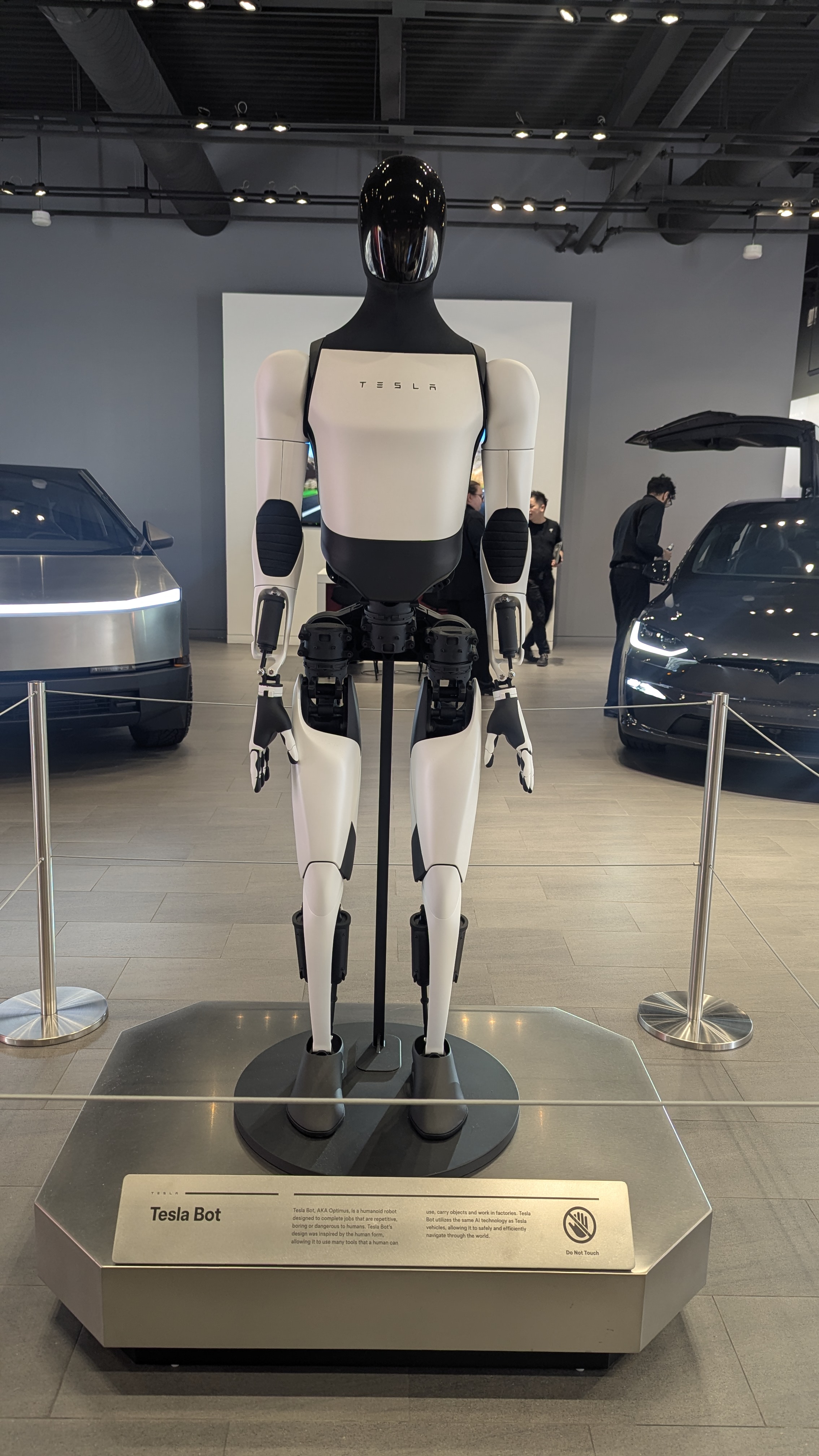
Tesla's Optimus: The Real "Godsend" for Seniors Isn't Tech, It's Caregivers
While the media obsesses over production lines, the true revolution of Tesla's humanoid robot lies in its potential to finally solve the eldercare crisis.
The direct answer
Tesla's Optimus humanoid robot is poised for mass production this year, a milestone widely reported by tech outlets. However, the mainstream narrative often overlooks the robot's most profound potential application: revolutionizing eldercare and addressing the critical shortage of human caregivers for seniors aging in place [c3, c4]. While the industry celebrates production figures, the real story is how Optimus could become an indispensable home assistant, capable of tasks ranging from mobility support and grocery carrying to medication reminders and emergency alerts
"Optimus Gen 3 is being discussed as a robot that could one day help protect. and support elderly people living alone the idea sounds incredible a machine capable of helping seniors walk safely carry groceries remind them to take medicine monitor health conditions. and even call emergency. services during dangerous situations."
. This isn't just about factory automation; it's about augmenting the lives of our aging population. The humanoid robot market is projected to explode, reaching over $50 billion by 2035, with Tesla's Optimus set to be a major player
GOOD NEWS 🤖 According to exclusive report by MarketsandMarkets™, the humanoid robot market is projected to skyrocket from $5.41 billion in 2026 to $50.27 billion by 2035—compounding at a massive 28.1% annually 📈 With Optimus in mass production by the end of this year, Tesla…
— Ming link
. The Gen 3 prototype, entering production-intent phases, is designed as a versatile platform for both industrial and domestic use, explicitly targeting eldercare as a primary use case
"As of early 2026, Tesla's Optimus humanoid robot is entering a pivotal phase with the imminent unveiling of its Gen 3 production-intent prototype." and "The result is a versatile, general-purpose platform poised for both factory floors and eventual household use, potentially caring for the elderly or assisting in daily chores while driving significant economic impact through scalable labor augmentation."
. This technology could provide a crucial lifeline, enabling seniors to maintain independence and dignity in their own homes, a "godsend" for both individuals and their families struggling with the realities of aging and caregiving
"Optimus Gen 3 is being discussed as a robot that could one day help protect. and support elderly people living alone the idea sounds incredible a machine capable of helping seniors walk safely carry groceries remind them to take medicine monitor health conditions. and even call emergency. services during dangerous situations."
.
The Elder-Care Apocalypse is Now
The narrative around Tesla's Optimus often centers on its potential to transform manufacturing. But dig deeper, and you find a starker, more pressing reality: the escalating crisis in eldercare. By 2030, an estimated 73 million Americans will be over 65, many of whom will require assistance with daily living. The current system is collapsing under the strain, with a projected shortage of millions of direct-care workers. This isn't a future problem; it's a present emergency. The mainstream media’s focus on production timelines
"Full Optimus V3 body production is scheduled to begin in Summer 2026 per Musk's March 12, 2026 Abundance Summit interview."
distracts from the urgent need for innovative solutions that can alleviate this burden. Optimus, designed as a general-purpose platform with eldercare explicitly in mind [c3, c5], offers a tangible, scalable answer to a problem that no amount of "utilization management" – the industry’s euphemism for 'not enough help' – can fix.
Beyond the Factory Floor: A Home Helper
While the initial rollout of Optimus might focus on industrial applications, its true disruptive potential lies in the home. The Gen 3 prototype is being developed with domestic use cases firmly in view
"As of early 2026, Tesla's Optimus humanoid robot is entering a pivotal phase with the imminent unveiling of its Gen 3 production-intent prototype." and "The result is a versatile, general-purpose platform poised for both factory floors and eventual household use, potentially caring for the elderly or assisting in daily chores while driving significant economic impact through scalable labor augmentation."
, and its capabilities are precisely what seniors need. Imagine a robot that can safely assist with walking, carry groceries, remind a loved one to take vital medication, or even monitor health conditions and call for help in an emergency
"Optimus Gen 3 is being discussed as a robot that could one day help protect. and support elderly people living alone the idea sounds incredible a machine capable of helping seniors walk safely carry groceries remind them to take medicine monitor health conditions. and even call emergency. services during dangerous situations."
. This isn't science fiction; it's the explicit goal of Tesla's development. The projected growth of the humanoid robot market, from $5.41 billion in 2026 to over $50 billion by 2035, underscores the immense demand for such technology
GOOD NEWS 🤖 According to exclusive report by MarketsandMarkets™, the humanoid robot market is projected to skyrocket from $5.41 billion in 2026 to $50.27 billion by 2035—compounding at a massive 28.1% annually 📈 With Optimus in mass production by the end of this year, Tesla…
— Ming link
. Optimus aims to be at the forefront of this wave, offering a practical, reliable presence for aging individuals.
The Economic Case for Care
The financial implications of Optimus entering the eldercare market are staggering. The cost of professional in-home care or assisted living facilities can be astronomical, often depleting life savings. While the exact price point for Optimus remains unannounced, its scalable production model suggests it could eventually be far more affordable than human caregivers, especially for round-the-clock assistance. This economic advantage is crucial for enabling true "aging in place." Furthermore, by augmenting the workforce, Optimus could indirectly alleviate the economic pressure on families who often sacrifice careers to provide care. The projected market surge
GOOD NEWS 🤖 According to exclusive report by MarketsandMarkets™, the humanoid robot market is projected to skyrocket from $5.41 billion in 2026 to $50.27 billion by 2035—compounding at a massive 28.1% annually 📈 With Optimus in mass production by the end of this year, Tesla…
— Ming link
indicates a strong economic incentive for companies like Tesla to push this technology forward, making it a "godsend" not just for seniors, but for the economy as a whole.
Common mistakes
- Focusing solely on production numbers and factory applications.
This overlooks the immense societal impact and demand for Optimus in eldercare, which is explicitly a target use case [c3, c5] and addresses a critical societal need. - Treating eldercare as a futuristic possibility rather than an urgent present crisis.
The shortage of caregivers and the challenges of aging in place are current realities demanding immediate solutions, not just long-term technological aspirations. - Failing to connect the technology to the economic burden of care.
The high cost of current eldercare solutions makes affordable robotic assistance a significant economic proposition for families and individuals, a key driver for adoption.
"Key takeaway: Tesla's own marketing emphasizes eldercare as a primary Optimus use case."
. Tesla's own marketing highlights eldercare as a key application
"Key takeaway: Tesla's own marketing emphasizes eldercare as a primary Optimus use case."
, and the Gen 3 prototype is built for versatile home use
"As of early 2026, Tesla's Optimus humanoid robot is entering a pivotal phase with the imminent unveiling of its Gen 3 production-intent prototype." and "The result is a versatile, general-purpose platform poised for both factory floors and eventual household use, potentially caring for the elderly or assisting in daily chores while driving significant economic impact through scalable labor augmentation."
. This technology isn't just about augmenting factory labor; it's about providing dignity and independence to millions of seniors, a "godsend" that human caregivers, despite their best efforts, are increasingly unable to provide alone.
Frequently asked
When will Tesla Optimus be available for home use?
While full Optimus V3 body production is slated for Summer 2026 [c2], Tesla's Gen 3 prototype is entering production-intent phases now, suggesting earlier availability for specific applications. Tesla's own marketing emphasizes eldercare as a primary use case [c3], indicating a strong push towards domestic applications.
What specific tasks can Optimus perform for seniors?
Optimus is envisioned to assist seniors with mobility, carrying groceries, reminding them to take medication, monitoring health, and potentially calling emergency services in dangerous situations [c4]. Its design as a versatile, general-purpose platform aims for broad household utility [c5].
How will Optimus impact the caregiver shortage?
By providing reliable assistance for daily tasks and safety monitoring, Optimus can supplement human care, alleviating pressure on the strained caregiver workforce and enabling seniors to remain independent longer. This could be a crucial "godsend" for both seniors and their families [c4].
Sources



More from Technology & Society → · Back to Perch · Browse all stories