
Your Parent’s Next Nurse Might Be a Robot, and It’s Already Happening
Forget futuristic fantasies; humanoid robots are actively deployed in elder care facilities worldwide, driven by a critical workforce shortage and a $3.56 billion market boom.
The direct answer
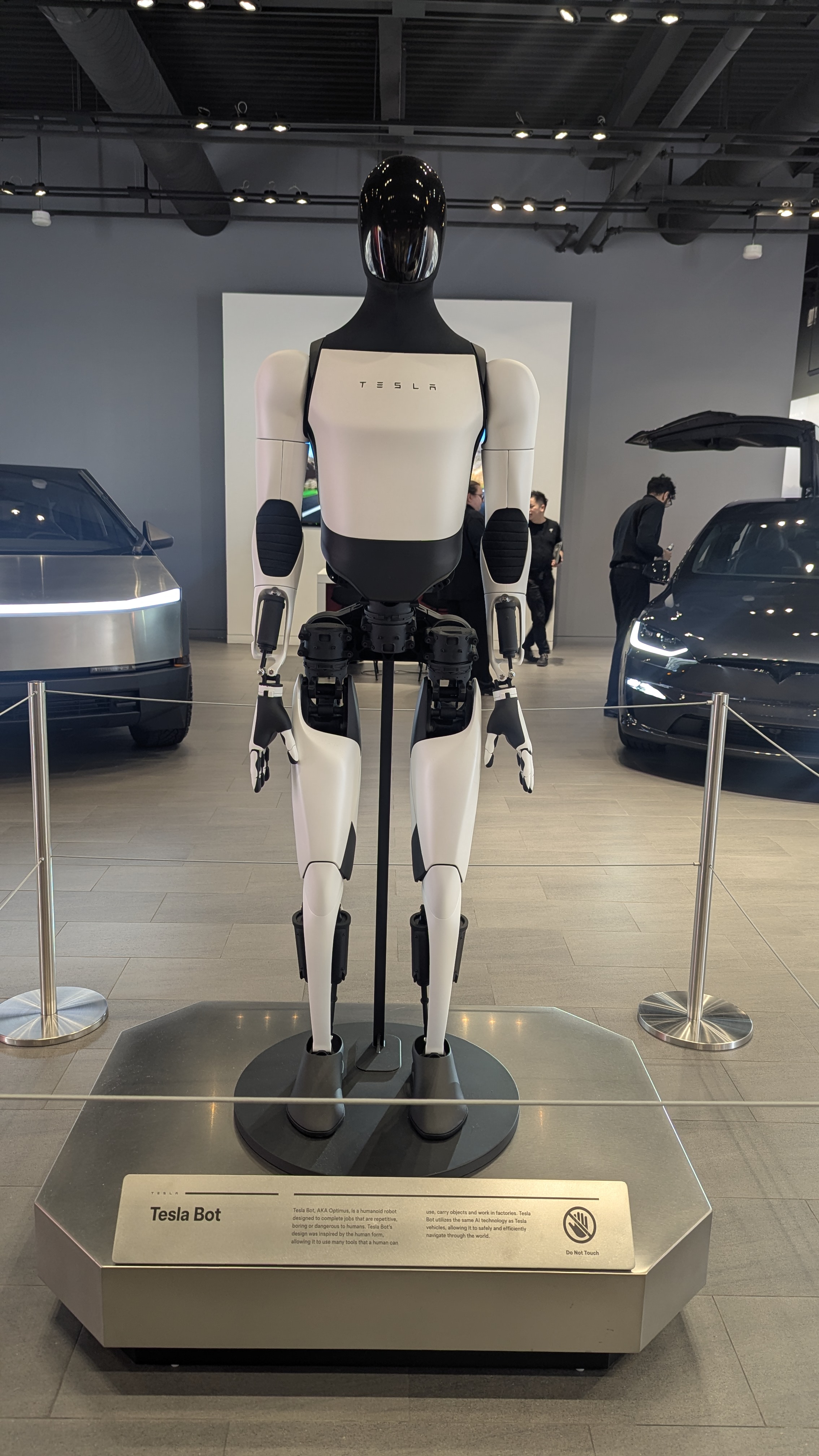
The notion of robots caring for our elders is often relegated to science fiction, but the reality is here and now. Humanoid robots are already being deployed in elder care facilities, providing companionship, physical assistance, and vital health monitoring
BREAKING: Andromeda Robotics brings Abi, an emotional companion robot, to the US after 2 years in Australian care homes. • Talks, plays music, runs games, leads group sessions • Remembers residents and builds ongoing relationships • Helps offset care home staffing shortages…
— Ritwik Pavan link
. This isn't a future possibility; it's a burgeoning market segment, valued at $3.56 billion, that's rapidly expanding due to an acute global shortage of human caregivers
2 days ago, we launched our caretaker robot for seniors. here are my observations: we got so many pre-orders that our website broke. the more interesting fact: a lot of nursing homes also reached out asking for B2B contracts. we're lining up huge pilots, and some are even…
— Audrey link
. Companies like Andromeda Robotics have seen their emotional companion robot, Abi, successfully integrated into Australian care homes for two years before its recent US debut, where it engages residents in conversation, plays music, and even leads group activities
BREAKING: Andromeda Robotics brings Abi, an emotional companion robot, to the US after 2 years in Australian care homes. • Talks, plays music, runs games, leads group sessions • Remembers residents and builds ongoing relationships • Helps offset care home staffing shortages…
— Ritwik Pavan link
. Abi's development, spurred by pandemic isolation, highlights the AI-driven solutions emerging to address deep-seated societal needs
Abi, the humanoid robot that's piloting in US senior care homes, was born out of the COVID-19 pandemic. Grace Brown started developing the colorful and compact AI robot to cope with isolation during COVID-19 lockdowns while studying mechatronics engineering at the University of…
— Mike Kalil link
. The demand is so significant that a recent launch of a caretaker robot resulted in a website crash due to overwhelming pre-orders, with numerous nursing homes expressing interest in B2B contracts and large-scale pilot programs
2 days ago, we launched our caretaker robot for seniors. here are my observations: we got so many pre-orders that our website broke. the more interesting fact: a lot of nursing homes also reached out asking for B2B contracts. we're lining up huge pilots, and some are even…
— Audrey link
.
The 'Abi' Effect: Companionship as Code
Robots like Abi from Andromeda Robotics are moving beyond simple task automation to offer emotional companionship. Abi not only remembers residents and builds ongoing relationships but also actively participates in their daily lives by talking, playing music, and leading group sessions
BREAKING: Andromeda Robotics brings Abi, an emotional companion robot, to the US after 2 years in Australian care homes. • Talks, plays music, runs games, leads group sessions • Remembers residents and builds ongoing relationships • Helps offset care home staffing shortages…
— Ritwik Pavan link
. This development, born from a need to combat isolation during the COVID-19 pandemic, demonstrates how AI is being engineered to address the psychological well-being of seniors
Abi, the humanoid robot that's piloting in US senior care homes, was born out of the COVID-19 pandemic. Grace Brown started developing the colorful and compact AI robot to cope with isolation during COVID-19 lockdowns while studying mechatronics engineering at the University of…
— Mike Kalil link
. The success of such initiatives is evident in the overwhelming response to new caretaker robot launches, with nursing homes actively seeking B2B contracts for large-scale pilot programs, indicating a strong market appetite for these sophisticated companions
2 days ago, we launched our caretaker robot for seniors. here are my observations: we got so many pre-orders that our website broke. the more interesting fact: a lot of nursing homes also reached out asking for B2B contracts. we're lining up huge pilots, and some are even…
— Audrey link
.
A $3.56 Billion Market Born of Shortage
The elder care robot market's valuation at $3.56 billion underscores the severity of the global caregiver crisis. This isn't a niche market; it's a significant economic response to a critical deficit in human labor. The demand is so acute that a recent product launch saw its website buckle under the weight of pre-orders, with immediate inquiries from nursing homes for B2B partnerships
2 days ago, we launched our caretaker robot for seniors. here are my observations: we got so many pre-orders that our website broke. the more interesting fact: a lot of nursing homes also reached out asking for B2B contracts. we're lining up huge pilots, and some are even…
— Audrey link
. This surge highlights that the adoption of robotics in elder care is less about a futuristic vision and more about immediate, practical solutions to a pressing societal challenge. The industry is rapidly innovating to fill gaps that human resources cannot currently meet.
Beyond Assistance: The Rise of Proactive Care
The capabilities of deployed robots extend beyond basic physical assistance. They are increasingly equipped for health monitoring, providing a continuous stream of data that can alert caregivers to potential issues before they become critical. This proactive approach, facilitated by AI and advanced sensors, promises to enhance the quality of care and potentially reduce hospital readmissions. The integration of robots like Abi, which remembers resident preferences and builds rapport, suggests a future where technology not only supports physical needs but also fosters a sense of connection and personalized attention, alleviating some of the strain on human staff
BREAKING: Andromeda Robotics brings Abi, an emotional companion robot, to the US after 2 years in Australian care homes. • Talks, plays music, runs games, leads group sessions • Remembers residents and builds ongoing relationships • Helps offset care home staffing shortages…
— Ritwik Pavan link
.
Common mistakes
- Treating robots as a purely futuristic concept.
The article highlights that humanoid robots are already actively deployed in elder care facilities globally, a present reality rather than a distant possibility, driven by market forces and shortages. - Focusing solely on the technological marvel without addressing the underlying societal issues.
The piece emphasizes that the $3.56 billion market for elder care robots is a direct consequence of critical global caregiver shortages, framing the technology as a response to human system failures. - Presenting a neutral stance on the integration of robots in care.
Palmelle's perspective is advocacy-driven, questioning the industry's framing and highlighting the potential for robots to replace human connection if not implemented thoughtfully, pushing for a focus on augmenting human care.
Frequently asked
Are humanoid robots already being used in elder care?
Yes, humanoid robots are actively deployed in elder care facilities across multiple countries. Models like Abi are providing companionship, assisting with daily activities, and monitoring health, driven by the global caregiver shortage.
What is the market size for elder care robots?
The market for humanoid robots in elder care has reached $3.56 billion. This significant valuation reflects the growing demand and the critical need for technological solutions in this sector.
What kind of tasks do these robots perform?
These robots can perform a range of tasks including emotional companionship, engaging residents in conversation and games, playing music, leading group sessions, reminding them about medications, and assisting with physical therapy exercises. Some also offer health monitoring capabilities.
Sources



More from Technology & Society → · Back to Perch · Browse all stories