
The Fall-Detection Paradox: Why High-Tech Sensors Make Aging Parents Less Safe
We spend thousands on ambient radar and smart wearables, only to ignore the loose rug that actually causes the fracture.
Your seventy-eight-year-old mother is lying on her bathroom tile, unable to get up. On the wall above her, an expensive ambient radar sensor blinks its cheerful green status light, completely unaware of her situation because she slid slowly down the wall rather than dropping like a stone. The algorithm registered her descent as a controlled, deliberate movement, leaving her waiting for hours in the dark. This is the quiet reality of the high-tech safety bubble: we are spending thousands of dollars to watch the disaster happen in real-time, rather than stopping it.
The direct answer
Smart sensors and fall-detection wearables do not prevent falls; they merely report them after the physical damage is already done. By relying on these high-tech systems, families often experience a false sense of security that leads them to ignore essential, physical home modifications. True safety requires fixing the environment itself, starting with a professional home assessment to eliminate physical hazards before a fall ever occurs.
The Prevention Illusion: Why Detection is Not Protection
There is a massive psychological trap in the care world right now. When we purchase a high-tech wall sensor or strap an expensive smartwatch to a parent's wrist, we mentally cross 'fall safety' off our to-do list. We feel a profound sense of relief, believing we have erected a digital shield around our aging parents. But we have confused post-fall notification with actual, physical prevention.
Consider the math of a fall. A broken hip for an eighty-year-old is not just a painful injury; it is a statistical tipping point, carrying a thirty percent mortality rate within twelve months of the event. A smart sensor does absolutely nothing to soften the impact of the bathroom floor or prevent the bone from shattering. It simply automates the call to emergency services, which, while useful, is a reactive measure for a crisis that should have been avoided entirely.
By focusing our budgets and attention on digital monitoring, we starve the physical environment of the updates it desperately needs. A thousand-dollar ambient radar system cannot help your father stand up from a low toilet seat, nor can it provide traction on slippery stairs. We must stop treating notification systems as safety systems and start focusing on the physical reality of the home.
The Silent Failure Modes of High-Tech Safety
In a perfect lab environment, smart sensors work beautifully. In a messy, real-world home, they fail in predictable, human ways. The most common point of failure is the human element: wearables end up on the nightstand or in a kitchen drawer because they are heavy, require frequent charging, or carry a social stigma that says 'I am old and frail.' If a device is not worn, its utility drops to zero.
Ambient, wall-mounted systems present a different set of challenges. They struggle with steam in bathrooms, get blocked by open doors or heavy curtains, and often fail to register 'slow falls'—the gradual slides down a wall or slips from a chair that make up a massive portion of actual home accidents. Furthermore, false alarms are incredibly common, leading to alarm fatigue. Eventually, frustrated parents unplug the wall units or turn off the notifications, leaving them entirely unprotected.
We also ignore the infrastructure requirements of these systems. A brief power outage, a dropped Wi-Fi connection, or a dead battery can instantly disable a multi-thousand-dollar setup without the family realizing it. When you rely on technology as your primary line of defense, you introduce dozens of invisible failure points into an environment that needs to be absolutely foolproof.
The Unsexy, Analog Fixes That Actually Work
If you want to keep your parent safe at home, you have to look down, not up at the walls. The most effective safety updates are boring, physical, and entirely analog. They involve changing the friction of the flooring, increasing the wattage of the lightbulbs, and anchoring solid grab bars into wall studs. These physical changes directly alter the environment to make a slip or trip physically impossible, or at least highly unlikely.
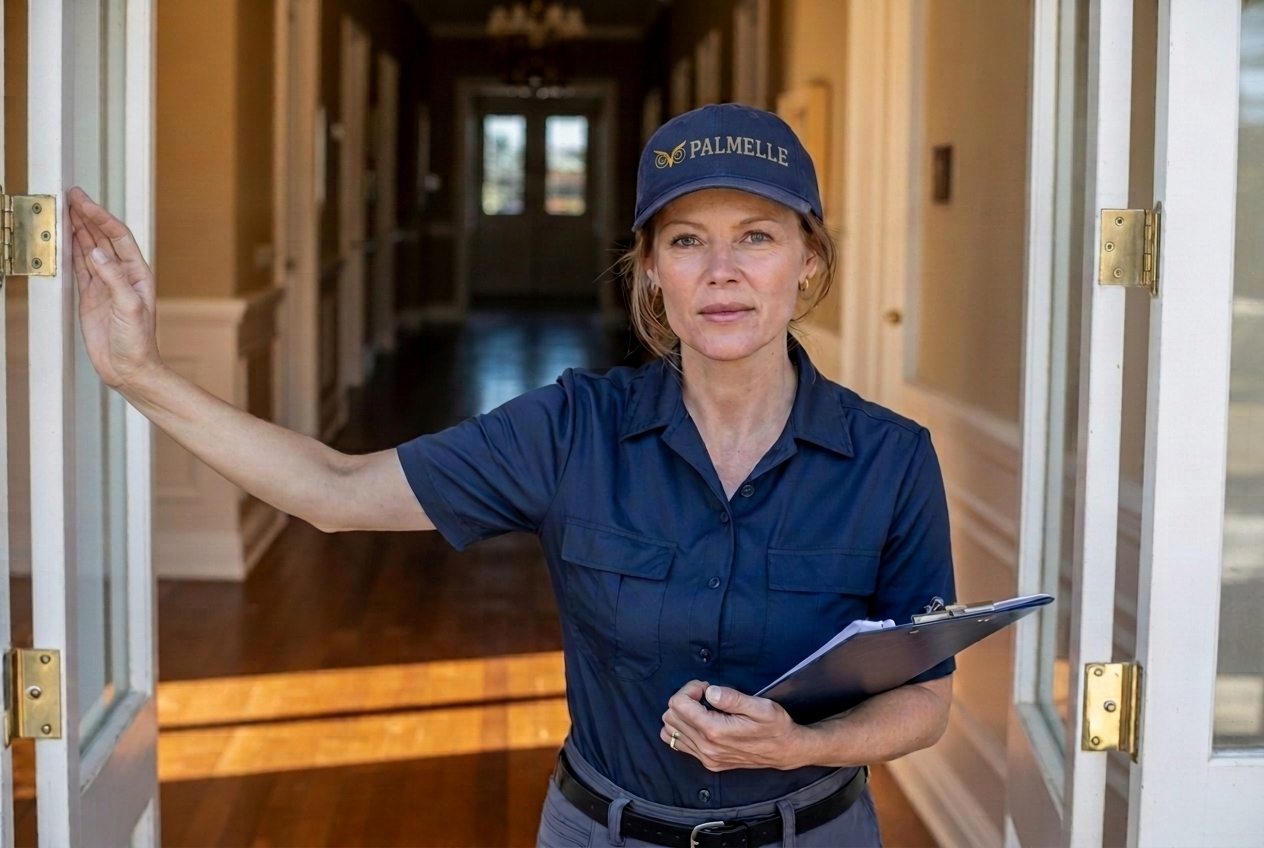
This is where a Certified Aging-in-Place Specialist (CAPS) assessment becomes invaluable. For $399, Palmelle offers a professional CAPS assessment that evaluates the home's structural realities, identifying high-risk areas that a software developer in Silicon Valley would never think of. This assessment doesn't recommend expensive gadgets; it looks at the height of the steps, the width of the doorways, and the specific lighting needs of aging eyes.
Once the assessment is complete, the physical work begins. Replacing a standard toilet with a comfort-height model, adding dual handrails to the basement stairs, and removing throw rugs are the actions that actually save hips and preserve independence. To execute these modifications seamlessly, families can find vetted local contractors through Palmelle's directory at /home-services, ensuring the physical updates are done correctly and safely without relying on digital band-aids.
Common mistakes
- Treating smart sensors as a replacement for physical home modifications.
A sensor cannot support a parent's weight when they lose their balance. You must install physical grab bars and eliminate trip hazards first, using technology only as a secondary backup. - Buying wearable tech without considering the parent's daily habits.
If your parent has mild cognitive decline or poor fine motor skills, they will not charge a smartwatch daily or remember to put it on. The device will end up forgotten in a drawer, leaving them with no protection at all.
Frequently asked
Are ambient wall-mounted sensors worth the money?
They can be a helpful secondary backup for high-risk rooms like bathrooms, but only after physical modifications are complete. Do not prioritize an $800 sensor system over installing high-contrast lighting and secure grab bars. If you have a limited budget, spend it on physical home updates first.
What is a CAPS assessment and why does it matter?
A Certified Aging-in-Place Specialist (CAPS) assessment is a professional evaluation of a home's physical environment. For $399, Palmelle connects you with a certified expert who identifies structural hazards and provides a clear plan for physical modifications. This assessment focuses on preventing falls by changing the home itself, rather than just detecting falls after they happen.
How do I find reliable contractors to install grab bars and ramps?
You should avoid hiring general handymen who do not understand the specific weight-bearing requirements for safety installations. You can find vetted, experienced professionals who specialize in home modifications by visiting Palmelle's directory at /home-services. This ensures that grab bars are anchored into studs and ramps meet correct slope requirements.
Sources
More from Home & Safety → · Back to Perch · Browse all stories