
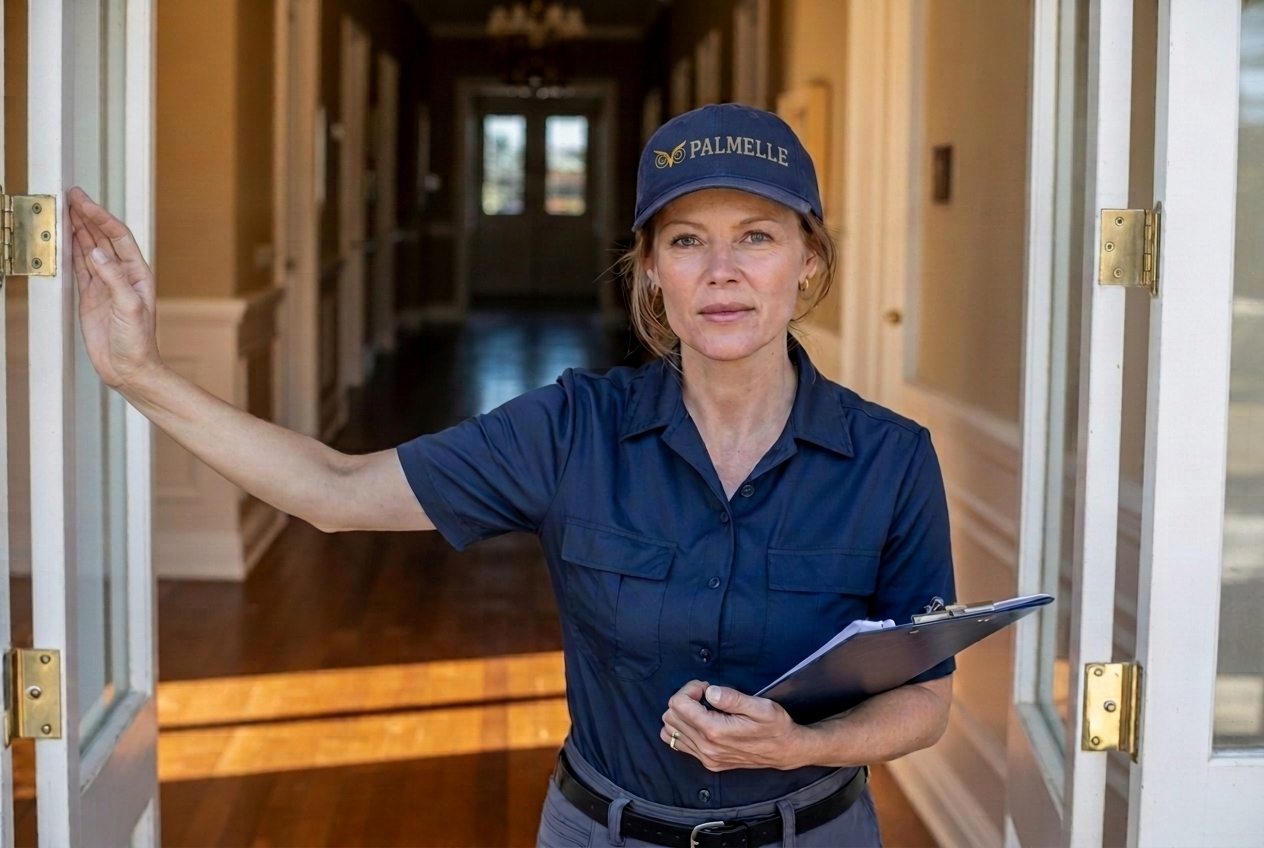
The Digital Panopticon: Why Geofencing Your Wandering Parent Destroys Their Dignity
Surveilling a parent with GPS trackers seems like a safety win, but treating an adult like a parolee has a steep psychological cost.
At 3:14 AM, your phone buzzes with a high-priority alert: your father has crossed the virtual perimeter of his backyard. You panic, pull up a map, and watch his little blue dot move toward the highway at four miles per hour. This is the promise of modern geofencing—absolute control disguised as safety. But what feels like peace of mind to you feels like a digital leash to a parent who spent seventy years going wherever they pleased.
The direct answer
Geofencing is a blunt instrument used to solve a nuanced human problem. While tracking devices keep people physically safe from immediate hazards, using them without a clear, dignified strategy triggers intense anxiety, paranoia, and rapid cognitive decline. True safety comes from physical home modifications, supervised routines, and professional assessments—not turning your parent's final years into a high-tech parole program.
The Illusion of Safety and the Reality of Paranoia
Plonking a tracking tile in your mother's purse or clipping a plastic puck to her belt feels like a victory. You bought yourself five minutes of uninterrupted breathing room. But we forget that people with cognitive decline are still adults with decades of muscle memory and a fierce desire for personal agency.
When a tracker constantly pings, or when you call them the moment they cross an invisible line, they do not think, 'Oh, my loving child is keeping me safe.' They think they are being watched, hunted, or punished. This constant state of surveillance triggers cortisol spikes, which actually accelerates confusion and agitation.
Invasive tracking often leads to resistive behaviors—your parent will actively try to outsmart the device. They leave the tracker in a drawer, wrap it in foil, or refuse to leave the house entirely, speeding up physical atrophy. Treating an adult like a parolee does not preserve their life; it just hollows it out.
Designing the Physical World, Not Just Tracking It
If you are relying on GPS to keep your parent safe, your house is failing them. Real safety is physical, not digital. It is about modifying the environment so that wandering is either safe or naturally discouraged.
This is where a Certified Aging in Place Specialist (CAPS) comes in. Instead of tracking your father's escape, a CAPS assessment helps you make simple, physical changes to the home. This might mean installing double-sided deadbolts out of the line of sight, placing visual barriers like dark rugs in front of exit doors, or setting up silent pressure mats that alert you when they get out of bed—not when they are already halfway down the street.
A professional CAPS assessment through Palmelle costs $399. It is a one-time fee to have an expert look at the actual layout of the home, from lighting to door hardware, to prevent the escape before it happens. It is a far more dignified option than turning your mother into a walking telemetry unit. You can also explore physical modification options on our site at /home-services.
The Hidden Cost of the Digital Leash
There is a direct line between the loss of small freedoms and the loss of the will to live. When we restrict a parent's movement to a strict geofenced zone, we shrink their world to the size of a postage stamp. They stop walking, which leads to muscle wasting, which leads to falls, which leads to the very care facility you were trying to avoid.
If they do need to move to a memory care home, you should know that many of these facilities use similar tracking bracelets. But the good ones integrate these into a secure, circular garden design where your parent can wander safely without hitting locked doors. If you are looking at facilities, avoid the paid referral sites like A Place for Mom, Caring.com, or SeniorAdvisor, which only show you places that pay them a commission.
Instead, look at the Palmelle Clarity Score, which ranges from 0 to 100. We compute this score using raw federal CMS and state inspection data to show you how a home actually performs when it comes to safety and staffing. You can find these independent evaluations through our Help Me Choose service for $199, giving you the real story without the sales pitch.
Common mistakes
- Hiding trackers in clothing or personal items without telling them.
This destroys trust when they inevitably find the device. Even with cognitive decline, parents notice when you treat them like children. If they must wear one, frame it as a safety tool for 'just in case' rather than a secret spy device. - Relying on GPS instead of securing the home's physical perimeter.
A GPS tracker tells you where your parent is after they have already fallen into a ditch or walked into traffic. You must secure doors with deadbolts, use motion sensors, and book a CAPS assessment to address the physical environment.
Frequently asked
What is the best GPS tracker for a parent who wanders?
The best tracker is one your parent actually agrees to wear, like a discrete watch or a shoe insert. Avoid bulky pendants that scream 'I am impaired.' Devices like the Jiobit or Apple AirTags can work, but they must be paired with physical home security to prevent elopement in the first place.
Is it ethical to track a parent with dementia without their consent?
It is a moral gray area that depends on their level of cognitive decline. If they cannot understand safety risks, tracking is ethically justifiable to prevent injury or death. However, you must still prioritize their dignity by choosing the least invasive tracking method possible and keeping their daily routine as normal as possible.
How do I stop my parent from wandering without locking them inside?
Focus on environmental design. Install slide bolts at the very top or bottom of doors, outside their direct line of sight. Use black mats in front of exits, which people with cognitive decline often perceive as deep holes they cannot cross. You can find more targeted physical strategies by scheduling a CAPS home assessment.
Sources
More from Home & Safety → · Back to Perch · Browse all stories