
The Backyard Illusion: Why Building an ADU Destroys Family Boundaries
Moving your aging parent into a custom-built cottage looks like a win-win on paper, but proximity is a poor substitute for professional support.
The contractor's quote is $185,000, the architectural rendering looks like a Scandinavian boutique hotel, and your mother thinks the idea of living thirty feet from your kitchen door is 'cozy.' You tell yourself this accessory dwelling unit—the trendy 'granny flat'—is the ultimate act of love. It is a beautiful lie wrapped in fresh drywall. In reality, you aren't just building a cottage; you are constructing a front-row seat to a slow-motion crisis that will erode your marriage, your free time, and your relationship with your parent.
The direct answer
Building a backyard cottage fails because it mistakes physical proximity for actual care. Proximity does not cure cognitive decline, stop falls, or manage complex medication schedules; it merely makes you the default first responder for every minor inconvenience and major emergency. Before spending six figures on construction, families need an objective assessment of what tasks they can realistically handle without losing their sanity.
The Hidden Cost of the Thirty-Foot Commute
When a parent lives across town, visiting requires intention. You carve out a Saturday afternoon, pack a bag, and show up ready to engage. When they live in your backyard, that boundary evaporates instantly.
Suddenly, every trip to take out your trash is an invitation for a chat about a leaky faucet or a lost remote. You find yourself checking their windows for lights at midnight, wondering if a dark room means they are asleep or unconscious on the bathroom floor.
This hyper-vigilance is exhausting. A study by the Family Caregiver Alliance shows that co-residing caregivers experience significantly higher rates of severe anxiety and depression than those who maintain separate households. You cannot escape your caregiving duties when the workplace is visible from your kitchen sink.
Your home stops being your sanctuary and becomes an annex of their living space. The constant proximity breeds resentment, which is the single most toxic element in family caregiving. Once resentment takes root, it poisons both your marriage and your relationship with your parent.
The Financial Math That Doesn't Add Up
Let's talk about the cold, hard numbers that contractors omit from their glossy brochures. The average cost to build a detached accessory dwelling unit in the United States now hovers between $150,000 and $300,000 depending on your zip code and local zoning laws.
If you spend $200,000 on a backyard cottage, you are locking up capital that could have paid for years of professional assistance. That same $200,000 could buy roughly 5,000 hours of professional home care at an average national rate of $40 per hour.
Furthermore, an ADU does not appreciate in value the same way a primary residence does, and many buyers do not want a property with a secondary dwelling. You are trading liquid assets that could fund a high-quality care facility for an illiquid backyard structure that you may have to pay to remove later.
We also have to account for property tax increases and utility bills. In states like California, adding a detached structure triggers a reassessment of your property value, permanently bumping your annual tax bill. You are essentially taking on a second mortgage to pay for a space that offers zero professional oversight.
The Smarter, Cheaper Alternative to the Bulldozer
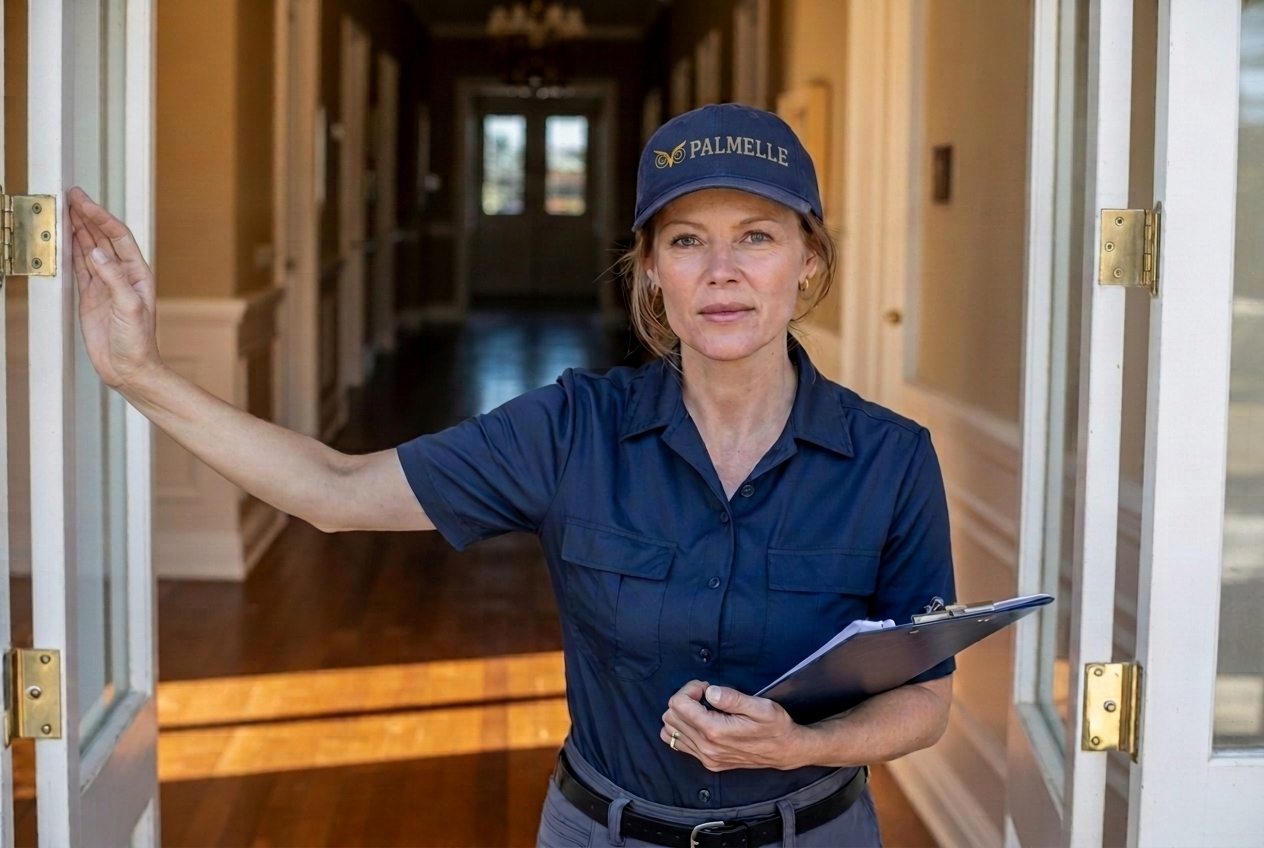
Before you sign a construction contract, you need to know exactly what your parent's physical and cognitive reality requires. This is where a Certified Aging-in-Place Specialist (CAPS) comes in.
Instead of building a new house, a professional evaluation can pinpoint the exact modifications needed to make their current home safe. Simple, targeted upgrades like curbless showers, smart lighting arrays, and structural grab bars usually cost under $15,000.
At Palmelle, we offer a professional CAPS Assessment for $399 to help you identify these exact modifications before you waste six figures on unnecessary construction. If you need trusted contractors to execute these changes, you can find verified professionals at /home-services.
If you decide that staying in their current home isn't viable, our Help Me Choose service costs $199. This service matches your parent with vetted care facilities based on our Palmelle Clarity Score, a 0-100 rating computed directly from federal CMS and state inspection data.
Unlike paid referral platforms like A Place for Mom, Caring.com, or SeniorAdvisor, which hide any care facility that doesn't pay them a commission, we show you every option. We believe you deserve to make decisions based on safety data, not marketing kickbacks.
Common mistakes
- Assuming physical proximity solves cognitive decline
An ADU cannot stop a parent with dementia from wandering or forgetting to eat. You will end up hiring professional help anyway, but now you will be paying for both the mortgage on the cottage and the agency fees. - Skipping a professional home safety evaluation
Families often spend thousands on flashy smart home gadgets while ignoring basic structural hazards like slippery flooring or poor lighting. A $399 Palmelle CAPS Assessment identifies the real risks before you waste money on useless tech.
Frequently asked
Is it cheaper to build a granny flat or pay for an assisted living facility?
In the short term, assisted living looks more expensive because of the monthly fee, which averages around $4,800 nationally. However, building an ADU requires an upfront capital outlay of $150,000 to $300,000, plus the ongoing costs of utilities, maintenance, and eventual private home care. When you factor in the value of your own unpaid labor, assisted living is often the more financially predictable option. It also ensures professional staff are awake and active 24 hours a day, which is something you cannot provide from your own bedroom.
What are the most critical home modifications for aging in place?
Focus on the three main hazard zones: entryways, bathrooms, and lighting. Install low-rise steps or ramps at the main entrance, swap out standard tubs for curbless walk-in showers, and add motion-activated LED lighting along hallways. These targeted changes cost a fraction of a full remodel and drastically reduce the risk of catastrophic falls. You can get a clear roadmap of what your specific home needs through a $399 CAPS assessment.
How do I know if my parent is safe to live alone?
Look for objective signs of decline rather than relying on their self-reporting. Unexplained bruises, missed bill payments, expired food in the fridge, and weight loss are clear indicators that their current setup is failing. If they are beginning to show signs
More from Home & Safety → · Back to Perch · Browse all stories