
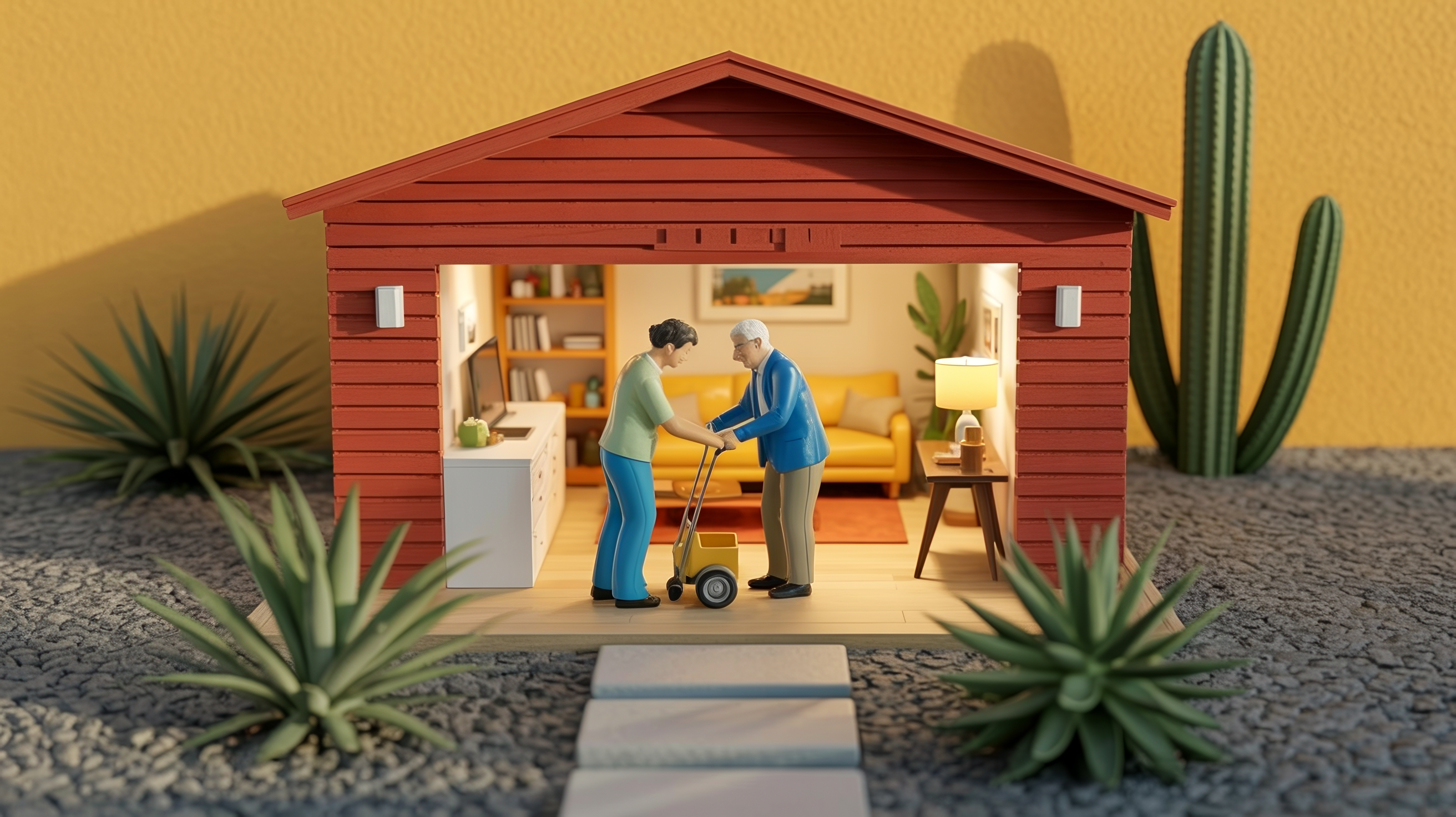
The Tyranny of the Active Senior: Why Your Aging Parent Doesn't Need a 'Purpose'
We are exhausting our parents—and ourselves—by treating retirement like a high-performance start-up.
My friend Sarah spent three weeks trying to get her 78-year-old father, a retired civil engineer who spent forty years staring at blueprints, to join a local community theater group. He wanted to sit on his porch, drink black coffee, and read biographies of Ulysses S. Grant. Sarah felt like she was failing him because he wasn't 'engaged.' We have turned the final chapters of life into a mandatory high-performance sport, and it is exhausting everyone involved.
The direct answer
Forcing an aging parent to pursue a manufactured sense of purpose or a frantic social calendar does not prolong their life; it just creates anxiety. Research shows that quiet contentment and autonomy—the simple right to choose how to spend one's hours, even if that means doing nothing—matter far more than forced socialization. True support means letting them retire from the pressure of being productive.
The Cult of Productive Aging
We have imported the hustle culture of our thirties into our parents’ eighties. We call it 'active aging,' but it is really just productivity guilt repackaged for retirees. If they are not learning a language, painting watercolors, or playing pickleball, we assume they are giving up.
This frantic push is fueled by a massive marketing engine. Paid referral platforms like A Place for Mom or Caring.com show glossy photos of vibrant octogenarians climbing mountains. What they do not tell you is that their listings are limited to facilities that pay them fat finder's fees. They are selling a lifestyle fantasy, not a safety net.
The truth is far quieter. A successful retirement does not require a syllabus or a daily planner. It requires peace, safety, and the freedom to do absolutely nothing without being judged.
The Difference Between Solitude and Loneliness
We constantly confuse being alone with being lonely. If your mother was an introvert at thirty, she is not going to become a social butterfly at eighty-two. Forcing her into a communal dining room with eighty strangers is not socialization; it is a mild form of torture.
Studies show that a quiet life with one or two meaningful connections is just as protective against cognitive decline as a packed social calendar. The goal should be quality of connection, not quantity of activities. A single, slow phone call with a sibling matters more than three rounds of forced trivia.
When we push our parents to 'stay active,' we are often trying to soothe our own anxiety. We want them to look busy so we can convince ourselves they are not slipping away. It is a selfish kind of love, even if it comes from a good place.
How to Measure What Actually Matters
If you are looking at a care facility, stop looking at the climbing wall or the pottery studio. Look at the staffing ratios and safety records. A facility might have a gorgeous grand piano in the lobby, but if their staff is overworked, that piano is just expensive kindling.
This is why we built the Palmelle Clarity Score. It is a simple 0-100 rating computed entirely from federal CMS and state inspection data. We do not take commissions to hide bad reviews, unlike the major referral sites. If a facility has a low score, we tell you, no matter how nice their garden looks.
If your parent is staying at home, focus on physical safety rather than lifestyle upgrades. Our CAPS aging-in-place Assessment costs $399 and gives you an honest look at what their home actually needs. If you need help figuring out the next step, our Help Me Choose service is $199. Let us focus on the logistics so you can focus on just being their child.
Common mistakes
- Treating a care facility search like a college admissions tour.
We look for activities and amenities instead of fundamental safety and care. Choose based on federal CMS and state inspection data, not the watercolor schedule. - Confusing your personal anxiety with their depression.
When we see our parents slowing down, it triggers our own fear of mortality. We push them to do things to reassure ourselves that they are still okay, rather than respecting their desire to rest.
Frequently asked
How do I know if my parent is depressed or just enjoying quiet retirement?
Look for sudden changes in baseline behavior, sleep patterns, or appetite, rather than just a preference for staying home. A depressed person often experiences a loss of interest in things they used to love, whereas an aging introvert is simply shedding activities that require too much energy. If they are eating well, sleeping normally, and can still laugh with you, their quiet life is likely a choice, not a pathology.
Should I look for a care facility with a lot of daily activities?
Only if your parent has always been a social butterfly who thrives in crowds. Otherwise, focus on the quality of basic care, staffing levels, and cleanliness. Use the Palmelle Clarity Score to evaluate facilities based on federal CMS and state inspection data rather than relying on glossy brochures from paid referral platforms like Caring.com, which exclude facilities that don't pay their fees.
How can I help my parent stay safe at home without micromanaging their life?
Focus on physical safety modifications rather than behavioral policing. You can book our professional CAPS aging-in-place Assessment for $399 to identify real fall risks and structural issues in their home. For hands-on help setting up these modifications, you can find qualified providers through our directory at /home-services.
Sources
More from Life & Community → · Back to Perch · Browse all stories