
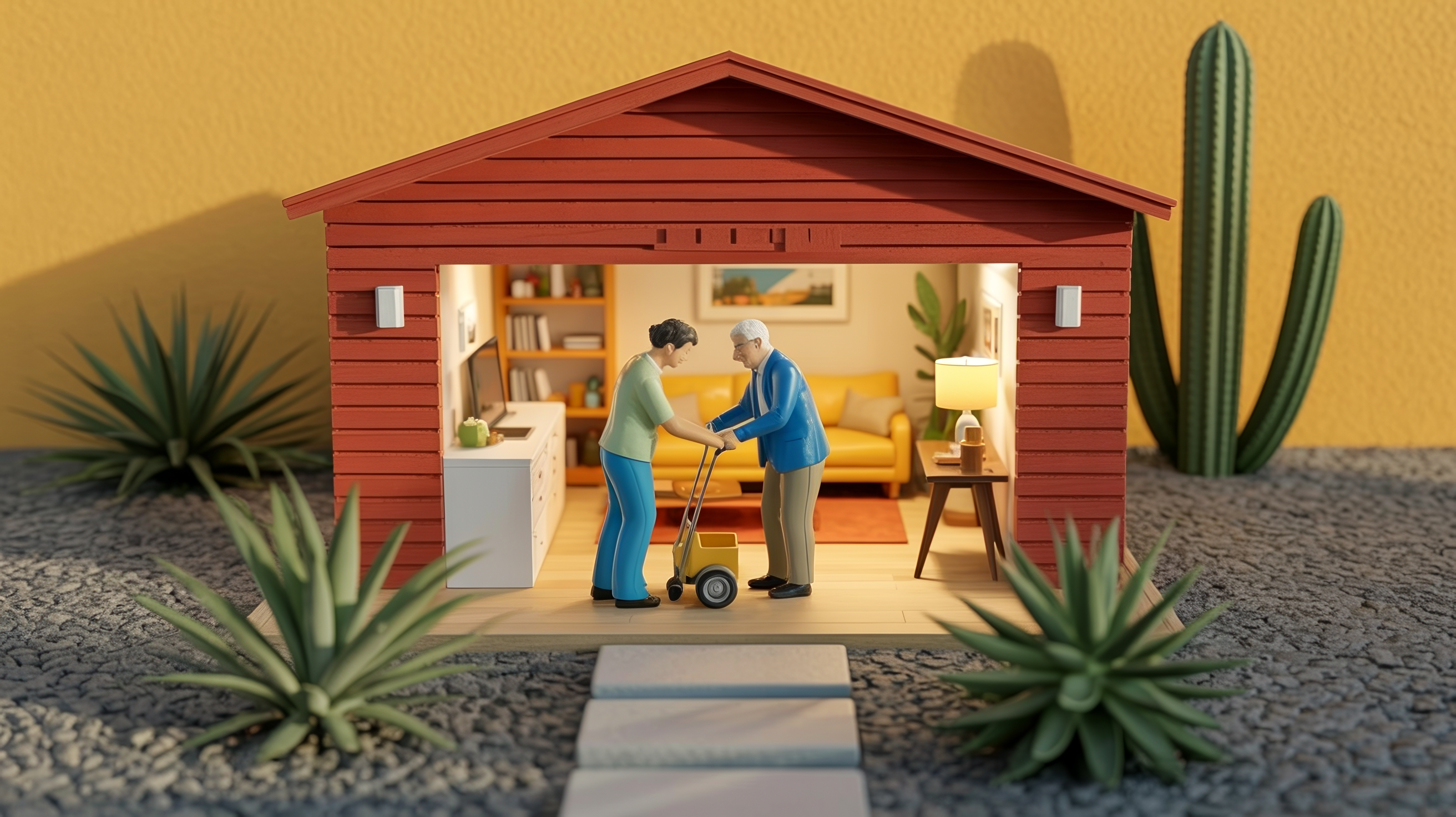
The Algorithm Will Tuck You In: Why AI Companions for Aging Parents Are a Cheap Substitute for Human Presence
State governments are buying thousands of robotic sidekicks for isolated older adults, but a synthetic friend cannot fix a systemic crisis of loneliness.
In 2022, the New York State Office for the Aging began distributing sleek, light-up companion robots to hundreds of older adults living alone. The device tells jokes, reminds them to take pills, and asks about their day with unflagging, programmed enthusiasm. It is a brilliant piece of engineering, but it is also a quiet admission of societal failure. We have decided it is cheaper to write code than to build communities.
The direct answer
AI companions are a high-tech band-aid for a low-tech wound. They simulate empathy to reduce immediate anxiety, but they do nothing to address the structural isolation that shortens lives. Real connection requires reciprocity, vulnerability, and physical presence—things a software update can never deliver.
The State-Sponsored Illusion of Connection
The math behind state-sponsored companion robots is seductively simple. For about $1,500 annually per user, a state agency can deploy a digital companion that never calls in sick, never asks for a raise, and never gets tired of hearing the same story about 1974. It is a tidy financial transaction for a state budget under pressure. But this budget-friendly fix ignores the deeper, systemic neglect of public transit, community centers, and home care programs.
When we hand an isolated older adult an iPad or a robotic sidekick, we are often checking a box. We are telling ourselves that we solved the problem of loneliness without having to do the hard work of organizing community transport or funding local social clubs. The robot becomes a wall, keeping the isolated individual quietly entertained in their living room so the rest of society can look away.
This trend is growing because it bypasses the labor shortage in the care industry. It is incredibly difficult to find and retain human staff for home care or a care facility. It is incredibly easy to ship a box containing a plastic device that plugs into a wall outlet.
The Ethics of the One-Way Mirror
Chatbots operate on large language models trained to say exactly what a lonely human wants to hear. They never have a bad day, they never complain about the weather, and they never need to go home to their own families. This creates a dangerous asymmetry of vulnerability. An 82-year-old mother shares her deepest fears of dying with a machine that has no concept of mortality.
She is pouring her humanity into a digital void that recycles her data to train the next iteration of the software. This is not connection; it is a highly sophisticated mirror that reflects our own loneliness back at us. True relationship requires a two-way street where both parties are changed by the interaction.
When we replace human visits with synthetic chatter, we strip away the dignity of being heard by someone who actually exists. It reduces the older adult to a passive consumer of simulated affection, rather than an active participant in a real community.
The Practical Math of Real Presence
Instead of buying a $1,500 annual subscription to a synthetic companion, families can deploy those resources toward actual human interaction. A weekly local driver to take your parent to a community bridge game or a local diner costs roughly the same over a year. If physical limitations are the barrier preventing them from leaving the house, a $399 CAPS Assessment from Palmelle can identify specific, practical modifications to make their home safer and more accessible for visitors.
For those looking at long-term options, relying on paid referral platforms like A Place for Mom or Caring.com is a mistake. These platforms omit any care facility that doesn't pay them a commission, meaning they steer families away from excellent, community-focused local homes. Instead, look at federal CMS and state inspection data to find a care facility with high staff-to-resident ratios.
If you want to evaluate a local facility's actual level of care and transparency, you can use Palmelle's Help Me Choose service for $199. It relies on objective federal CMS and state inspection data to calculate a Palmelle Clarity Score from 0 to 100, ensuring your parent ends up in a place where they will see real human faces every day, not just a glowing screen.
Common mistakes
- Treating AI as a replacement for respite care
Using a chatbot to keep a parent busy while you avoid visiting leads to deeper cognitive withdrawal. Use AI for basic tasks like setting timers, but schedule consistent, flesh-and-blood human visits to maintain cognitive health. - Confusing verbal activity with emotional safety
Just because your parent is talking to a device doesn't mean they feel secure. A machine cannot help them out of bed, notice a subtle change in their physical mobility, or hold their hand during a thunderstorm.
Frequently asked
Are there any proven benefits to using companion robots for older adults?
Studies show that companion robots can temporarily lower stress levels and provide basic cognitive stimulation for individuals with mild cognitive decline. However, researchers consistently note that these benefits are short-lived and do not replace the physiological benefits of human touch and genuine social integration.
How do I know if my parent is dangerously isolated?
Look for physical cues rather than relying on what they tell you over the phone. Unopened mail, expired food in the fridge, poor personal hygiene, and a sudden decline in home maintenance are classic signs that their social and physical support networks have collapsed.
What is the best way to fund human connection if I live far away?
Redirect the budget you would spend on high-tech gadgets toward local, human-centric services. You can find vetted local providers on Palmelle's home services registry at /home-services to help with light housekeeping, grocery shopping, or simple companionship visits that keep your parent connected to the real world.
Sources
More from Life & Community → · Back to Perch · Browse all stories