
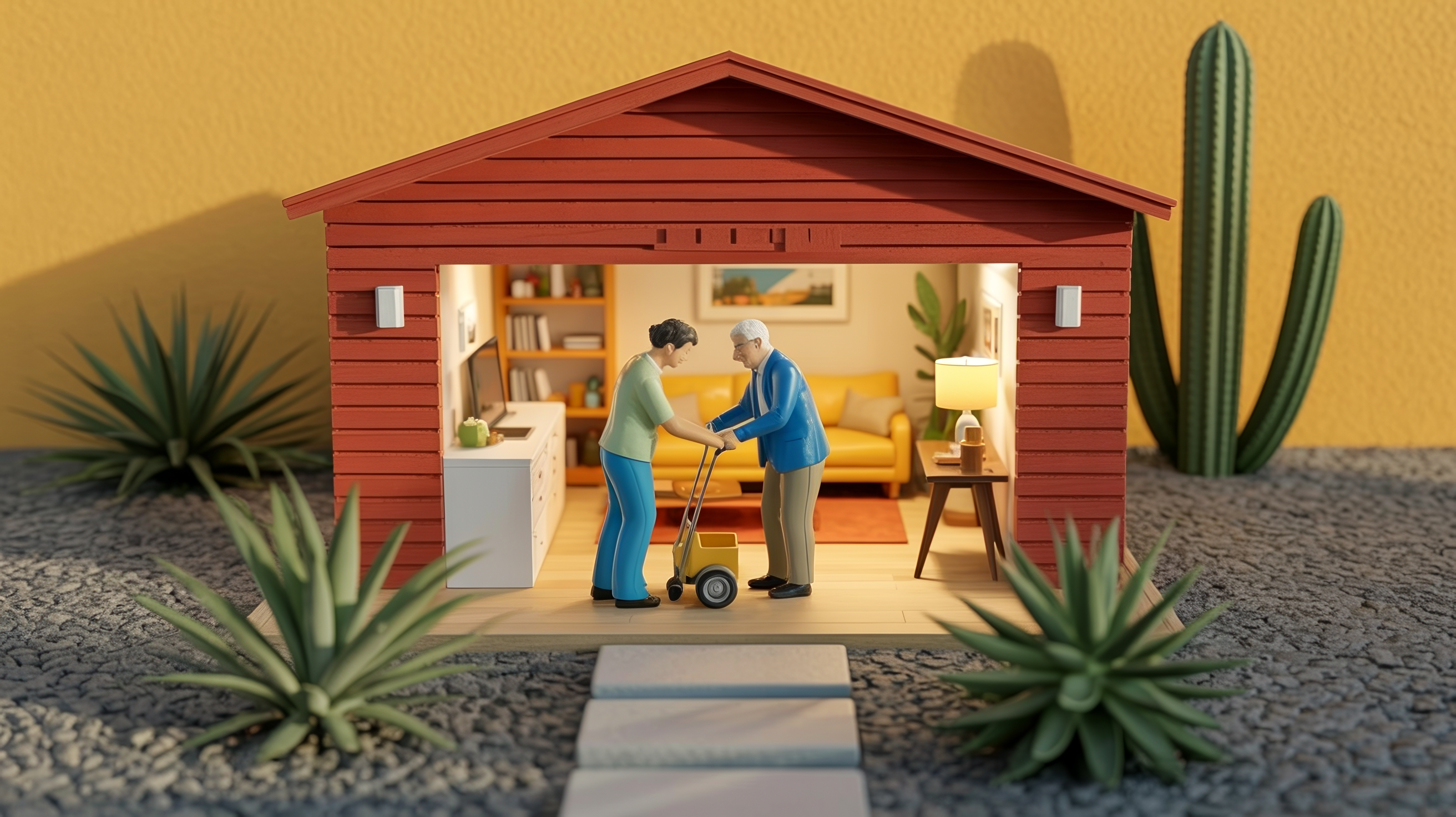
The Quiet Cruelty of Forced Fun: Why Your Introverted Parent Doesn't Want to Join the Club
We are bullying quiet older adults into aggressive socializing under the guise of healthy aging, and it is backfiring.
Every Tuesday at 2:00 PM, an activity director knocks on Arthur’s door to invite him to a mixer. Arthur is 78, a retired engineer who spent his life happily reading in solitude. Now, his daughter pays $6,000 a month for a care facility, largely because the brochure promised vibrant social circles he actively despises.
The direct answer
Forcing a lifelong introvert into group activities doesn't cure loneliness; it causes social exhaustion and anxiety. True connection in later life isn't about headcount or calendar events, but about autonomy and quiet purpose. If your parent preferred books to cocktail parties at thirty, they will not suddenly crave bingo at eighty.
The Myth of the Extrovert Ideal in Later Life
There is a multi-billion-dollar industry built on the premise that aging successfully looks like an active cruise ship. Brochures from paid referral platforms like A Place for Mom or Caring.com are plastered with photos of silver-haired models laughing over wine flights. They sell a fantasy where everyone is an extrovert.
But personality traits are remarkably stable across the lifespan. Psychologists have tracked this for decades: an eighteen-year-old who finds large parties draining will still find them draining at eighty-five. Forcing them into social circles is not care; it is an exhausting performance of happiness designed to make adult children feel less guilty.
When we demand that quiet parents get out there, we are projecting our own fears of mortality and isolation onto them. We assume that because they are alone in their room, they are lonely. Often, they are just finally getting some peace from the constant chatter of a communal living environment.
The High Cost of Forced Fun
Social prescribing—the practice where advisors or care staff direct people toward community groups—has become a buzzword. But for an introvert, being dropped into a room of thirty strangers to play balloon volleyball is a nightmare. It raises stress levels and triggers a desire to retreat further.
Instead, focus on low-stimulus, high-agency interactions. A weekly visit from a single, quiet friend to play chess is infinitely better than five days of group crafts. If they are aging in place, our $399 Assessment (CAPS aging-in-place) can help design a physical home environment that supports quiet, independent hobbies without isolating them.
If you are looking at a care facility, ignore the shiny activities calendar. Look at the Palmelle Clarity Score (which we compute from federal CMS and state inspection data) to ensure the facility is safe and properly staffed. A high score means the staff actually has time to understand your parent's individual preferences, rather than just herding them into the community room to hit a quota.
Designing a Quiet Life with Dignity
We need to redefine what active means. A quiet parent who spends three hours tending to a single windowsill bonsai tree is highly engaged. A parent who listens to classical music while watching birds at a feeder is experiencing deep cognitive stimulation.
If you need help finding resources that respect this boundary, our $199 Help Me Choose service can find local options that don't force a one-size-fits-all social calendar. For those staying at home, you can explore tailored support at /home-services to find people who understand that doing nothing together is a valid form of companionship.
Let go of the cruise-ship expectation. Dignity in aging means having the right to say no to the mocktail hour without being labeled as non-compliant or depressed. Respect their silence; it is often where they feel most at home.
Common mistakes
- Equating physical solitude with emotional loneliness.
Introverted parents need quiet time to recharge, and assuming they are depressed just because they are alone leads to forced, stressful social interactions. Let them set the pace of their own day. - Choosing a care facility based solely on its activities calendar.
Paid referral platforms love to highlight daily events, but these calendars are often empty promises or overwhelming for introverts. Focus instead on staffing ratios and safety data via the Palmelle Clarity Score.
Frequently asked
How can I tell the difference between healthy introversion and depression?
Look for changes in their baseline behavior. An introvert has always preferred quiet activities and small groups; a depressed person has abandoned activities they used to love, regardless of crowd size. Other signs of depression include changes in appetite, sleep disturbances, and a flat emotional affect, rather than just a preference for reading in their room.
What should I ask care facilities about social life during a tour?
Ask how they accommodate residents who prefer solitude or one-on-one interactions. Specifically, inquire if they offer in-room visits from volunteers, quiet library spaces, or structured solitary activities like gardening. If their only answer is pointing to a busy monthly calendar, they likely do not have the staffing or culture to support an introverted resident.
How do I handle staff who pressure my parent to participate?
Set clear boundaries during the intake process and put them in writing. Explain that your parent is a lifelong introvert and that forcing participation causes them distress. Reiterate that staying in their room to read or listen to music is a conscious, healthy choice, not a symptom of withdrawal that needs intervention.
Sources
More from Life & Community → · Back to Perch · Browse all stories