
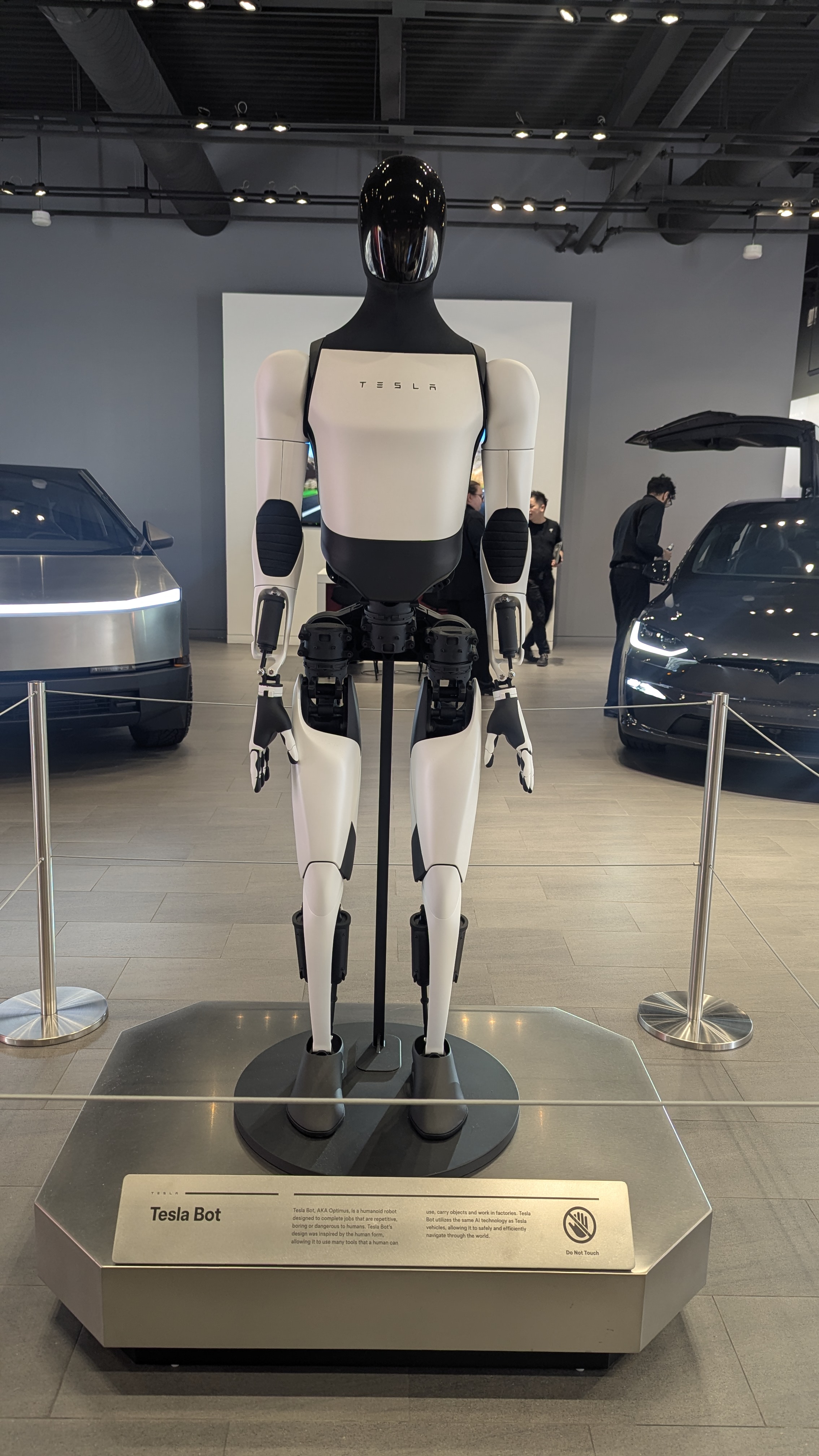
Robots to the Rescue: Your Loved Ones' Caregivers Get a Break
Forget job-stealing androids; new tech is tackling the nursing home staffing crisis by handling the grunt work, freeing humans for genuine connection.
The direct answer
The notion that robots are coming for nursing home jobs is a tired trope. In reality, advanced robotics and AI are emerging as critical tools to combat the severe staffing shortages plaguing elder care facilities
"Robots, in particular, are being increasingly used to help residents and staff. A new study, “Robots and Labor in Nursing Homes,” examined the effects robots are having on residents and staff. It found that, overall, the effects are highly positive, correlating with higher employee retention and better patient care."
. Devices like Miroi are not replacing human caregivers but are being deployed to handle routine tasks, providing companionship and assistance to residents. This allows human staff to dedicate more time to complex medical needs and meaningful personal interaction [c5, c6]. The global market for elder care assisted robots, a sector already valued at an estimated $3.4 billion in 2025, is projected to skyrocket to nearly $10 billion by 2033
"The global elder-care technology market is projected to grow steadily over the next decade, reflecting increased adoption of digital care platforms, remote monitoring, and connected tools."
. This technological infusion is directly addressing a critical bottleneck, ensuring that as the population ages, the quality of care doesn't diminish due to a lack of personnel. Companies like Hera are also expanding platforms to help families navigate the complexities of senior care logistics, further integrating technology into the ecosystem
"Hera is expanding its AI-enabled senior care coordination platform that helps families navigate Medicare, medications, and care logistics."
.
The Robot Assistant: More Companion Than Competitor
The fear of robots replacing human jobs is a persistent one, but in nursing homes, the reality is proving to be quite different. Instead of displacing workers, robots are being integrated to augment their capabilities. For instance, robotic companions can engage residents in simple activities, remind them about medications, or even facilitate video calls with family, tasks that consume valuable staff time
"Assistive technology like robots and smartphones can ease caregiver stress, said Robert Felgar and Nermin Selimic of RAZ Mobility and Anthony Nunez of INF Care."
. This isn't just about efficiency; studies suggest that the presence of robots correlates with higher employee retention and improved patient care [c6, c8]. It's a strategic shift, recognizing that technology can handle the repetitive, freeing up human talent for the relational and critical-thinking aspects of care. The market is responding, with projections showing significant growth in this sector
"The global elder-care technology market is projected to grow steadily over the next decade, reflecting increased adoption of digital care platforms, remote monitoring, and connected tools."
.
Staffing Shortages: A Crisis Fueled by Demand
The elder care sector is grappling with a profound staffing crisis, exacerbated by an aging population and increasing demand for services. This isn't a niche problem; economic indicators show broad growth in sectors like aerospace and defense, and renewables, but the specific needs of elder care are often overlooked in broader economic analyses
What 60+ Managements Are Telling Us About FY27 Here is the sector wise FY27 guidance from Q4FY26 concalls, and what it actually means. Three clusters stand out with the most aggressive guidance: 1. Data centers and power infrastructure 2. Aerospace and defence 3. Renewables…
— LNPR Capital link
. Canada's Real GDP, for example, shows growth across many industries, yet the human resources challenge in healthcare, particularly for seniors, remains acute
Canada's Real GDP by Industry – April 2026 (StatsCan release) 📈Headline: Real GDP rose 0.5% in April, rebounding from a 0.1% drop in March. Both goods-producing (+1.2%) and services-producing (+0.3%) industries contributed. 14 of 20 sectors grew. Top Drivers: Mining, quarrying…
— cbcwatcher link
. This shortage directly impacts the quality of care. When staff are stretched thin, the time for individual attention and complex care diminishes, leading to potential burnout for workers and reduced quality of life for residents. This is the void that robotics is beginning to fill.
The Bottom Line: A Market Poised for Growth
The economic forecast for elder care technology is robust, indicating a significant shift in how care will be delivered. The global elder-care technology market, encompassing assistive robots, is expected to surge from $3.4 billion in 2025 to nearly $10 billion by 2033
"The global elder-care technology market is projected to grow steadily over the next decade, reflecting increased adoption of digital care platforms, remote monitoring, and connected tools."
. This isn't just about gadgetry; it's a response to a fundamental need. Companies are investing in solutions that help families navigate complex care logistics, manage medications, and coordinate services, further integrating technology into the senior care ecosystem
"Hera is expanding its AI-enabled senior care coordination platform that helps families navigate Medicare, medications, and care logistics."
. While some markets show slower growth, such as China's economy facing persistent challenges
🇨🇳 China's economy grew just 4.3% in the second quarter of 2026, marking its slowest pace in more than three years amid weak domestic demand. Retail sales rose only 1.0%, while property investment continued to decline, highlighting persistent challenges in consumption,…
— Asia Nexus link
, the demand for elder care solutions remains a strong driver of innovation and investment, with specific companies seeing strong traction and positive outlooks
$VELO : Lake Street - Strong beat with GM rebounding, RPS traction continues; 2026 still set to be inflection year; reiterating buy rating and raising PT to $20
— Tut C🅰️pital link
.
Common mistakes
- Assuming robots will replace all human jobs in nursing homes.
This overlooks the complementary role robots can play in supporting human staff and the irreplaceable value of human empathy and complex medical judgment in elder care. - Focusing solely on the technological aspect without addressing the human element.
The true value lies in how technology enhances human interaction and care quality, not in the technology itself. The goal is better care for residents and better working conditions for staff. - Portraying robots as purely utilitarian devices.
Many assistive robots are designed for social interaction and companionship, addressing the crucial emotional needs of elderly residents.
"The global elder-care technology market is projected to grow steadily over the next decade, reflecting increased adoption of digital care platforms, remote monitoring, and connected tools."
.
Frequently asked
Will robots take jobs away from nurses and caregivers?
No, the current trend is for robots to assist human staff, not replace them. They handle routine tasks, freeing up human caregivers to focus on more complex medical needs and provide personalized, empathetic care.
What kind of tasks can these robots perform?
Robots can assist with medication reminders, facilitate communication with family, provide companionship, monitor residents for safety, and help with basic mobility assistance, among other supportive functions.
How do these robots improve the quality of care?
By reducing the workload of human staff and allowing them more time for direct patient interaction, robots can lead to better patient outcomes, increased resident satisfaction, and improved staff retention.
Sources


More from Technology & Aging → · Back to Perch · Browse all stories