
Robots, Not Regimens: Your Next Health Breakthrough Isn't a Pill
Forget anti-aging myths; the future of healthy aging is arriving via AI and advanced robotics, with clinical trials offering a glimpse of what's next.
The direct answer
The conventional wisdom on aging gracefully often involves a cocktail of supplements and a strict exercise routine. But the cutting edge of geroscience is diverging dramatically, focusing on extending *healthspan*—the years lived in good health—rather than just lifespan. This shift is gaining serious clinical traction. The FDA has greenlit the first human trial for partial cellular reprogramming therapy, aimed at treating optic nerve damage
2 days ago, we launched our caretaker robot for seniors. here are my observations: we got so many pre-orders that our website broke. the more interesting fact: a lot of nursing homes also reached out asking for B2B contracts. we're lining up huge pilots, and some are even…
— Audrey link
. This isn't science fiction; it's a tangible step toward reversing age-related cellular decline. Simultaneously, the elder care sector is seeing an influx of sophisticated robotic assistance. Companies are deploying caretaker robots for seniors, with overwhelming pre-orders from both individuals and nursing homes seeking to address staffing shortages
2 days ago, we launched our caretaker robot for seniors. here are my observations: we got so many pre-orders that our website broke. the more interesting fact: a lot of nursing homes also reached out asking for B2B contracts. we're lining up huge pilots, and some are even…
— Audrey link
. One such robot, Abi, an emotional companion designed to converse, play music, and even lead group sessions, is now piloting in US care homes
BREAKING: Andromeda Robotics brings Abi, an emotional companion robot, to the US after 2 years in Australian care homes. • Talks, plays music, runs games, leads group sessions • Remembers residents and builds ongoing relationships • Helps offset care home staffing shortages…
— Ritwik Pavan link
. These developments signal a future where technological intervention, not just lifestyle choices, will define healthy aging.
The Dawn of Cellular Rejuvenation Trials
For decades, the quest for longevity has been a slow march of incremental discoveries, often confined to petri dishes or animal models. Now, that is changing. The groundbreaking clearance of the first human trial for partial reprogramming therapy, targeting optic nerve damage, marks a pivotal moment
2 days ago, we launched our caretaker robot for seniors. here are my observations: we got so many pre-orders that our website broke. the more interesting fact: a lot of nursing homes also reached out asking for B2B contracts. we're lining up huge pilots, and some are even…
— Audrey link
. This technique aims to 'reset' cells to a more youthful state, not by extending life indefinitely, but by restoring function and healthspan. Imagine regaining vision not through conventional medicine, but by rejuvenating the very cells responsible. While still in its nascent stages, this clinical validation moves geroscience from theoretical possibility to tangible patient benefit, offering a stark contrast to the endless parade of unproven supplements marketed to seniors.
Robots: The New Caregivers on the Block
The demand for senior care solutions is exploding, and technology is stepping in to fill the void. Caretaker robots are no longer a futuristic concept; they are being deployed now. The overwhelming response to new senior-focused robots, with websites crashing from pre-orders and nursing homes clamoring for B2B contracts, underscores a critical need
2 days ago, we launched our caretaker robot for seniors. here are my observations: we got so many pre-orders that our website broke. the more interesting fact: a lot of nursing homes also reached out asking for B2B contracts. we're lining up huge pilots, and some are even…
— Audrey link
. These aren't just automated assistants; they are designed for companionship and care. Robots like Abi can talk, play music, run games, and importantly, remember residents, building relationships and helping to combat the isolation that plagues many older adults
BREAKING: Andromeda Robotics brings Abi, an emotional companion robot, to the US after 2 years in Australian care homes. • Talks, plays music, runs games, leads group sessions • Remembers residents and builds ongoing relationships • Helps offset care home staffing shortages…
— Ritwik Pavan link
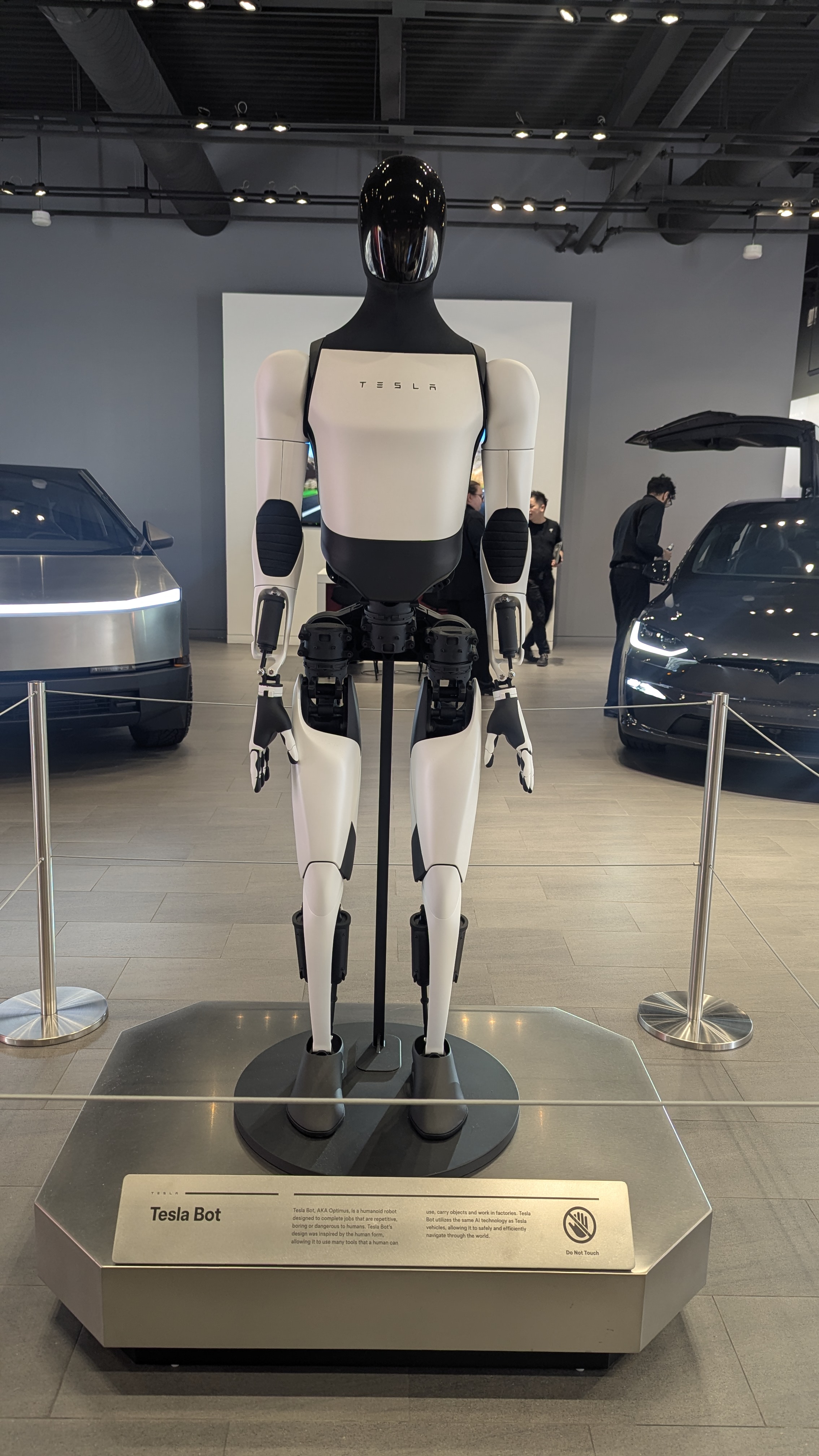
. This surge in robotic care is projected to drive the humanoid robot market from $5.41 billion in 2026 to over $50 billion by 2035
GOOD NEWS 🤖 According to exclusive report by MarketsandMarkets™, the humanoid robot market is projected to skyrocket from $5.41 billion in 2026 to $50.27 billion by 2035—compounding at a massive 28.1% annually 📈 With Optimus in mass production by the end of this year, Tesla…
— Ming link
, indicating a massive industry shift towards AI-powered support for aging populations.
Beyond Lifespan: The Healthspan Imperative
The distinction between lifespan and healthspan is crucial for anyone over 50. While living longer is desirable, living longer *well* is the true goal. The advancements in geroscience and robotics are squarely focused on this latter objective. Partial reprogramming offers the potential to restore damaged tissues and combat age-related diseases at a cellular level
2 days ago, we launched our caretaker robot for seniors. here are my observations: we got so many pre-orders that our website broke. the more interesting fact: a lot of nursing homes also reached out asking for B2B contracts. we're lining up huge pilots, and some are even…
— Audrey link
. Meanwhile, companion robots are addressing the critical social and support needs of seniors, improving quality of life and potentially reducing the burden on human caregivers, who are in critically short supply [c3, c4]. This dual-pronged approach—biological intervention and technological support—represents a paradigm shift from merely managing decline to actively promoting sustained well-being.
Common mistakes
- Focusing solely on lifespan extension.
The real value for seniors lies in extending *healthspan*—the years lived in good health and with independence. Lifespan alone, without quality of life, is a hollow victory. - Dismissing technological solutions as impersonal.
While human connection is vital, advanced robots like Abi are proving capable of providing companionship and essential support, especially in understaffed environments, significantly enhancing quality of life. - Waiting for a 'magic bullet' pill.
The most impactful breakthroughs are likely to be multi-faceted, combining biological interventions like partial reprogramming with technological support systems.
2 days ago, we launched our caretaker robot for seniors. here are my observations: we got so many pre-orders that our website broke. the more interesting fact: a lot of nursing homes also reached out asking for B2B contracts. we're lining up huge pilots, and some are even…
— Audrey link
and the rapid adoption of sophisticated robots in senior care [c3, c4] are powerful indicators that this future is arriving sooner than most anticipate. This isn't about extending the years one spends frail; it's about reclaiming functionality and well-being. The real breakthrough isn't a magic pill, but intelligent systems designed to support and even reverse age-related decline.
Frequently asked
Will these robots replace human caregivers?
Not entirely. The goal is to augment human care, addressing critical staffing shortages and providing consistent support for tasks like medication reminders and companionship. They are designed to work alongside human caregivers, freeing them up for more complex or empathetic interactions.
When can I expect partial reprogramming therapies to be widely available?
The first human trial is a crucial step, but widespread clinical availability is still years away. Regulatory approval for such novel therapies is a lengthy process, involving extensive safety and efficacy testing.
Are these advanced robots affordable for individuals?
Currently, many advanced robotic solutions are being piloted in institutional settings. However, as the market grows and production scales, costs are expected to decrease, making them more accessible for home use, though early adoption will likely be premium-priced.
Sources


More from Technology & Health → · Back to Perch · Browse all stories