
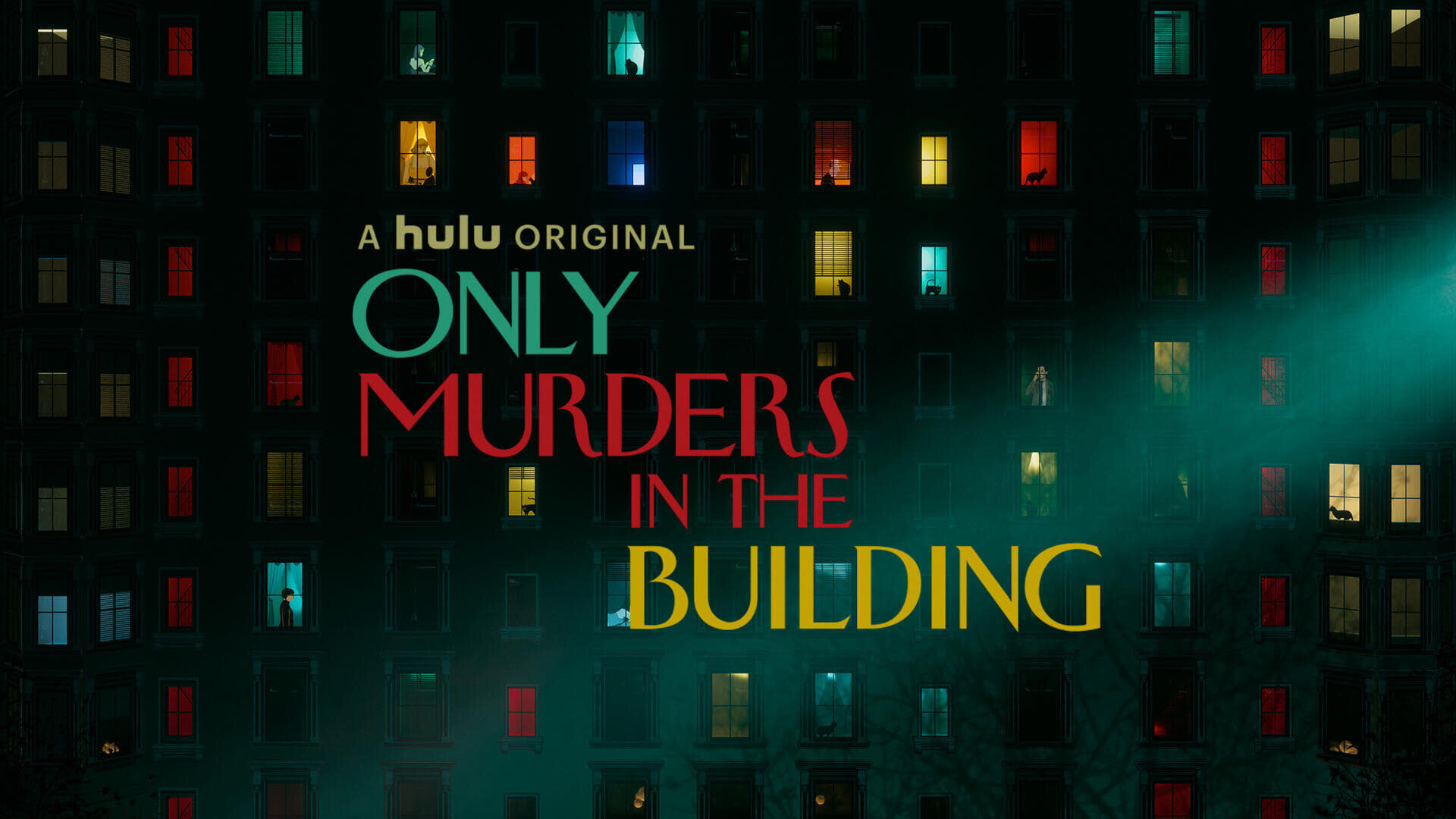
Arconia's Hidden Dues: 'Only Murders' Exposes the Real Cost of NYC Aging-in-Place
Beyond the comedic capers, the Hulu hit reveals the financial tightrope walked by NYC seniors clinging to their homes.
The direct answer
While mainstream reviews of "Only Murders in the Building" focus on its comedic murder-mystery plot and star power, they largely miss the show's sharp commentary on aging-in-place within New York City's unforgiving real estate market. The Arconia, a seemingly idyllic pre-war building, serves as a microcosm of this struggle. Characters like Mabel, Charles, and Oliver, while solving murders, are also grappling with the escalating costs of maintaining their homes and their lifestyles in a city where property values soar and gentrification is a constant threat
"A major theme for this season of Murders is gentrification. New York, like so many other cities, is changing as the wealth gap expands."
. The show subtly illustrates that for many, particularly older residents, staying in their long-term homes isn't just about sentimentality; it's about navigating a complex financial landscape where equity is tied up in aging infrastructure and rising property taxes
"Their investigation plunges them into the shadowy corners of New York and beyond – where the trio uncovers a dangerous web of secrets connecting powerful billionaires, old-school mobsters, and the mysterious residents of the Arconia. The trio discovers a deeper divide between their storied city they thought they knew, and the new New York evolving around them – one where the old mob fights to hold on as newer, even more dangerous players emerge."
. The narrative of Bunny, who inherited her apartment and the "curse" of responsibility, underscores the burden many women bear in maintaining family homes amidst shifting urban dynamics
"Bunny lived every day of her life in her apartment, we're told, inheriting an enviable piece of real estate and with it the curse many women end up bearing, that of responsibility."
. This isn't just a fictional conceit; it mirrors the real-world challenges faced by New Yorkers, where the dream of aging in place can quickly become a financial nightmare if not carefully managed.
The Arconia's Hidden Maintenance Fees
While the Arconia appears to be a luxurious Upper West Side building, the reality for its residents, especially those on fixed incomes or with aging finances, is far more complex. The show hints at the constant need for repairs, renovations, and the ever-present specter of escalating building fees and property taxes. For many New Yorkers over 55, their primary asset is their home, but maintaining it in a city like New York can become a financial black hole. The narrative subtly critiques the romanticized notion of "aging in place," revealing it as a constant battle against market forces and the physical decay of older buildings. This isn't about finding a cozy retirement spot; it's about affording the privilege of staying put
"Safety is not found in isolation, in high-end real estate or private security systems. It is built through care, curiosity and mutual visibility."
.
Gentrification's Shadow Over Beloved Neighborhoods
The series, particularly in its later seasons, directly confronts the theme of gentrification, acknowledging that "New York, like so many other cities, is changing as the wealth gap expands"
"A major theme for this season of Murders is gentrification. New York, like so many other cities, is changing as the wealth gap expands."
. The Arconia's residents are caught in the crossfire between the old New York of "old-school mobsters" and the "new New York evolving around them" with "newer, even more dangerous players" like powerful billionaires
"Their investigation plunges them into the shadowy corners of New York and beyond – where the trio uncovers a dangerous web of secrets connecting powerful billionaires, old-school mobsters, and the mysterious residents of the Arconia. The trio discovers a deeper divide between their storied city they thought they knew, and the new New York evolving around them – one where the old mob fights to hold on as newer, even more dangerous players emerge."
. This urban evolution directly impacts the cost of living and the ability of long-term residents, many of whom are seniors, to remain in their homes. The show illustrates how the very desirability of these historic neighborhoods, often built and sustained by older generations, becomes the engine of their displacement.
The Unseen Labor of Homeownership
The character of Bunny, though a victim, serves as a poignant, albeit dark, symbol of the burden of homeownership for aging New Yorkers. Her story highlights that inheriting valuable real estate also means inheriting immense responsibility and financial obligation
"Bunny lived every day of her life in her apartment, we're told, inheriting an enviable piece of real estate and with it the curse many women end up bearing, that of responsibility."
. This "curse of responsibility" is a tangible reality for many seniors who are asset-rich but cash-poor, their equity locked into a property that demands constant upkeep and faces annual tax increases. The show's creators are touching on a critical aspect of urban living: the hidden labor and cost involved in maintaining one's domicile in a city that values property above all else, often leaving long-term residents vulnerable.
Common mistakes
- Focusing solely on the murder plot.
This misses the show's deeper, more resonant commentary on the financial realities of aging in place within a rapidly gentrifying and expensive urban environment, a theme often overlooked by mainstream critics. - Portraying the Arconia as simply a charming backdrop.
The building is a character in itself, representing the complex and often precarious financial ecosystem that long-term residents must navigate to maintain their homes and their lives in NYC. - Ignoring the economic subtext of gentrification.
The show subtly highlights how rising property values and changing demographics directly impact the ability of seniors and long-term residents to afford to stay in their communities.
"“We're pulling from the headlines to ask very specific questions about the balance of power in New York and who has that power,” Hoffmann tells Deadline. “That's what we're really looking at—the shifting power dynamics of the country."
, and a significant part of that power dynamic involves who can afford to stay. The Arconia's residents, especially its older cohort, are not just characters in a whodunit; they are individuals fighting to retain their homes against the relentless tide of rising costs and redevelopment
"A major theme for this season of Murders is gentrification. New York, like so many other cities, is changing as the wealth gap expands."
. The series offers a stark, albeit fictionalized, look at how financial stability is intrinsically linked to real estate in NYC, forcing a re-evaluation of what "home" truly means when faced with market pressures.
Frequently asked
How does 'Only Murders in the Building' address aging in place?
The show subtly weaves the challenges of aging in place into its narrative. It highlights the financial strain of maintaining older homes in NYC, the threat of gentrification, and the emotional and practical burdens of long-term residency, using the Arconia as a microcosm of these urban realities.
What is the financial reality for seniors in NYC like the Arconia residents?
Many seniors in NYC, like the characters, face rising property taxes, escalating building maintenance costs, and the pressure of gentrification. Their homes, often their largest asset, can become a financial burden if not carefully managed, leading to difficult decisions about affordability and future living arrangements.
Sources



More from Culture & Finance → · Back to Perch · Browse all stories