
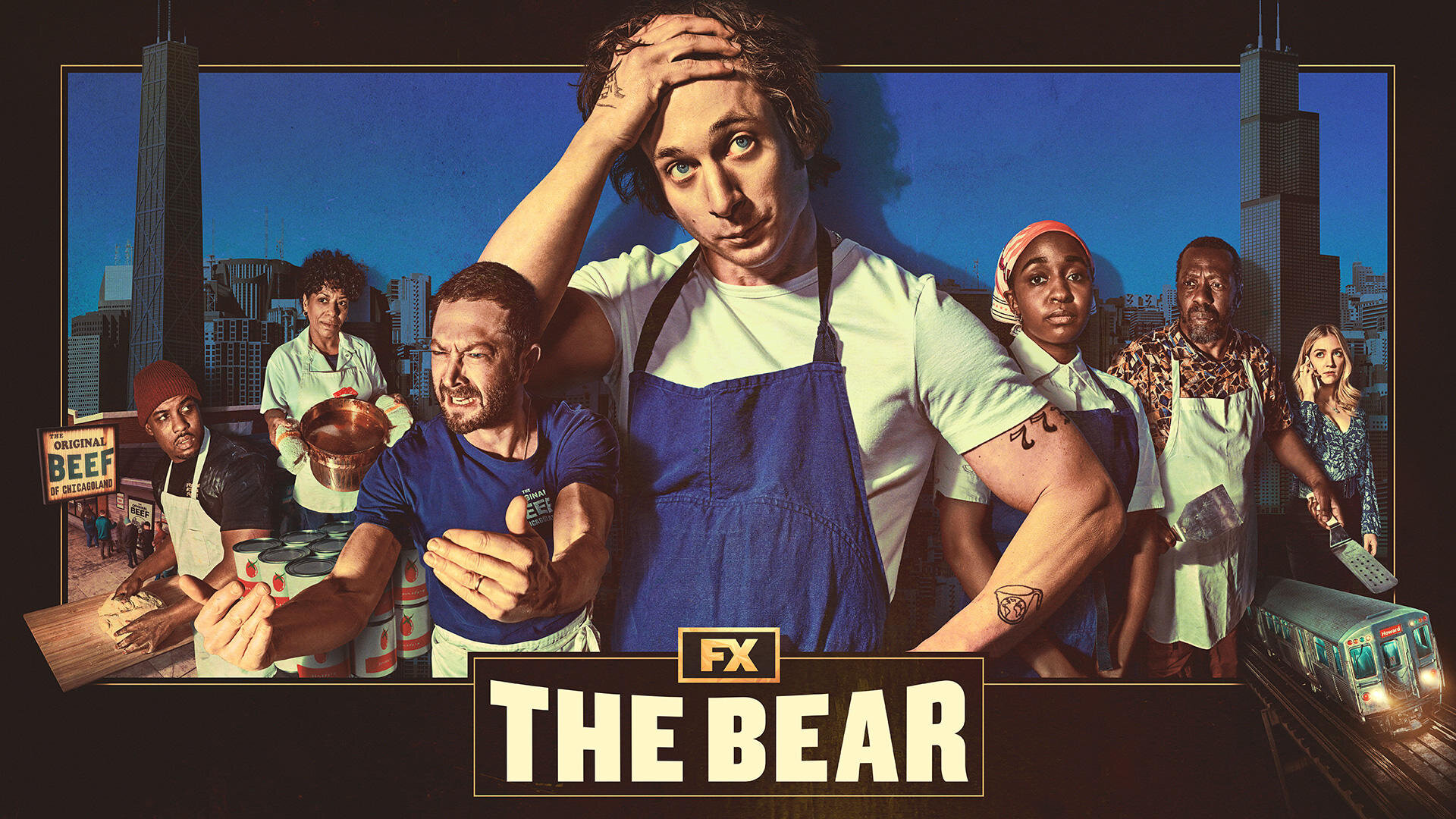
"The Bear" Finale: The Real Drama Is Your Family's Financial Future, Not Carmy's Kitchen
Mainstream critics missed the generational wealth transfer lesson hidden in the restaurant chaos. Here's what families 55+ need to know about succession, debt, and estate planning.
The direct answer
While critics lauded "The Bear" for its culinary realism and character arcs, they largely missed the profound financial and estate planning implications woven into the narrative. The show’s central conflict—Carmy inheriting a restaurant burdened with debt and mismanagement
"One of the show's central themes is the importance of estate planning, succession planning, and financial planning for business owners. Carmy's brother, Mikey, leaves behind a restaurant in disarray, burdened with debt and mismanagement. Carmy is thrust into chaos with no guidance or plan whatsoever."
—is a stark mirror for many families, particularly those 55 and older, contemplating business succession. When Mikey Berzatto left the Original Beef of Chicagoland, he didn't just leave a restaurant; he left a financial minefield, including $300,000 in hidden cash
"Then there are the financial misdeeds. As in its first installment, the show's sophomore season features trouble with the Internal Revenue Service. That's in addition to some awfully fishy buckets of money—including the $300,000 in cash that Mikey Berzatto, owner of the Original Beef of Chicagoland, hid in dozens of tomato cans for his brother, Carmy, to find."
and significant operational debt. Carmy’s struggle to keep the business afloat, relying on Uncle Jimmy’s investments
"When Carmy inherited Mikey's (Jon Bernthal) restaurant, financial burden was delivered right beside it. Three seasons later, and Carmy has miraculously managed to keep them afloat by convincing Uncle Jimmy (Oliver Platt) to invest in the business."
, highlights the precariousness of unprepared transitions. This isn't just about saving a beloved eatery; it's about safeguarding generational wealth and avoiding catastrophic financial fallout. The show underscores that without a clear succession plan and robust estate planning, a family legacy can quickly become a family burden, impacting not just the business but also individual heirs and their financial stability.
The Hidden Debt: More Than Just Tomato Cans
The financial realities of inheriting a business, especially a restaurant like The Original Beef of Chicagoland, are rarely as simple as finding a stash of cash. Carmy inherited not just a restaurant, but a mountain of debt and mismanagement
"One of the show's central themes is the importance of estate planning, succession planning, and financial planning for business owners. Carmy's brother, Mikey, leaves behind a restaurant in disarray, burdened with debt and mismanagement. Carmy is thrust into chaos with no guidance or plan whatsoever."
. The $300,000 Mikey had hidden in tomato cans
"Then there are the financial misdeeds. As in its first installment, the show's sophomore season features trouble with the Internal Revenue Service. That's in addition to some awfully fishy buckets of money—including the $300,000 in cash that Mikey Berzatto, owner of the Original Beef of Chicagoland, hid in dozens of tomato cans for his brother, Carmy, to find."
was a temporary, desperate measure, not a solution. This highlights a critical point for families: hidden debts and liabilities can cripple a business's future. Investors like Uncle Jimmy, who poured capital into the struggling eatery, become increasingly stressed as the business continues to bleed money [c4, c5]. For those 55 and older considering passing on a family enterprise, understanding the full scope of financial obligations—including tax liabilities, outstanding loans, and operational shortfalls—is paramount before any transfer occurs.
Succession Planning: Carmy's Chaos vs. Your Clarity
Carmy’s immediate thrust into managing The Original Beef without any prior guidance or a clear plan exemplifies the dangers of reactive succession. He inherited a business in disarray, a scenario far too common for families where a patriarch or matriarch passes away unexpectedly
"One of the show's central themes is the importance of estate planning, succession planning, and financial planning for business owners. Carmy's brother, Mikey, leaves behind a restaurant in disarray, burdened with debt and mismanagement. Carmy is thrust into chaos with no guidance or plan whatsoever."
. This lack of foresight can lead to immediate financial distress, as seen with Uncle Jimmy’s intervention and the need for cost-cutting measures
"This issue stresses out Uncle Jimmy, the establishment's biggest investor, who forces his nephew to meet with a man named “The Computer” to help them reduce costs and move towards profitability."
. For individuals aged 55 and above, proactive succession planning is not a luxury; it’s a necessity. This involves identifying a successor, training them thoroughly, and crucially, establishing a legal framework for the transfer of ownership and assets. Without this, a business built over decades can dissolve within months.
Estate Planning: Beyond the Will, Into the Business
The show subtly illustrates that estate planning extends far beyond simply distributing personal assets. When Mikey died, he left behind a business with significant financial entanglements that directly impacted Carmy’s personal financial situation and future. The show’s depiction of Carmy scrambling to keep the restaurant afloat, often relying on the goodwill (and capital) of family like Uncle Jimmy
"When Carmy inherited Mikey's (Jon Bernthal) restaurant, financial burden was delivered right beside it. Three seasons later, and Carmy has miraculously managed to keep them afloat by convincing Uncle Jimmy (Oliver Platt) to invest in the business."
, underscores how poorly managed business succession can become an estate planning nightmare. For those in their 55+ years, this means integrating business succession directly into their estate plans. This includes clear directives on business valuation, debt allocation, tax implications, and the legal mechanisms for transferring control. Failing to do so can lead to costly legal battles and significant erosion of the intended inheritance for heirs.
Common mistakes
- Focusing solely on the culinary drama and interpersonal conflicts.
This misses the substantial financial and legal underpinnings of business succession, which have direct implications for viewers' own financial planning and estate management. - Treating the financial struggles as mere plot devices.
The show's depiction of debt, investor pressure, and the need for cost-cutting [c4, c5] are critical lessons in the realities of business ownership and the consequences of unprepared transitions, especially for older demographics. - Ignoring the generational wealth transfer aspect.
The core of Carmy's struggle is inheriting a business with significant financial burdens [c2], a narrative that speaks directly to the anxieties and planning needs of individuals 55+ considering their legacy.
Frequently asked
How much debt did Carmy inherit in "The Bear"?
While specific figures aren't always explicitly stated, the show heavily implies significant debt and mismanagement from Mikey. One citation mentions $300,000 in hidden cash [c3], suggesting a precarious financial state. Carmy's reliance on Uncle Jimmy's investments [c1] further indicates the business was not self-sustaining and likely burdened with substantial liabilities.
What are the key estate planning lessons from "The Bear"?
The show highlights the critical need for proactive succession planning and clear estate directives when passing on a business. Carmy's chaotic inheritance, filled with debt and lack of guidance [c2], demonstrates the dire consequences of unprepared transitions, impacting heirs' financial stability and potentially leading to business failure.
How does "The Bear" relate to financial planning for people over 55?
For individuals 55+, "The Bear" serves as a cautionary tale about the financial risks of poorly managed business succession. It emphasizes the importance of integrating estate planning with business transfer to avoid leaving heirs with overwhelming debt or operational chaos, safeguarding both the business legacy and family finances.
Sources



More from Personal Finance → · Back to Perch · Browse all stories