
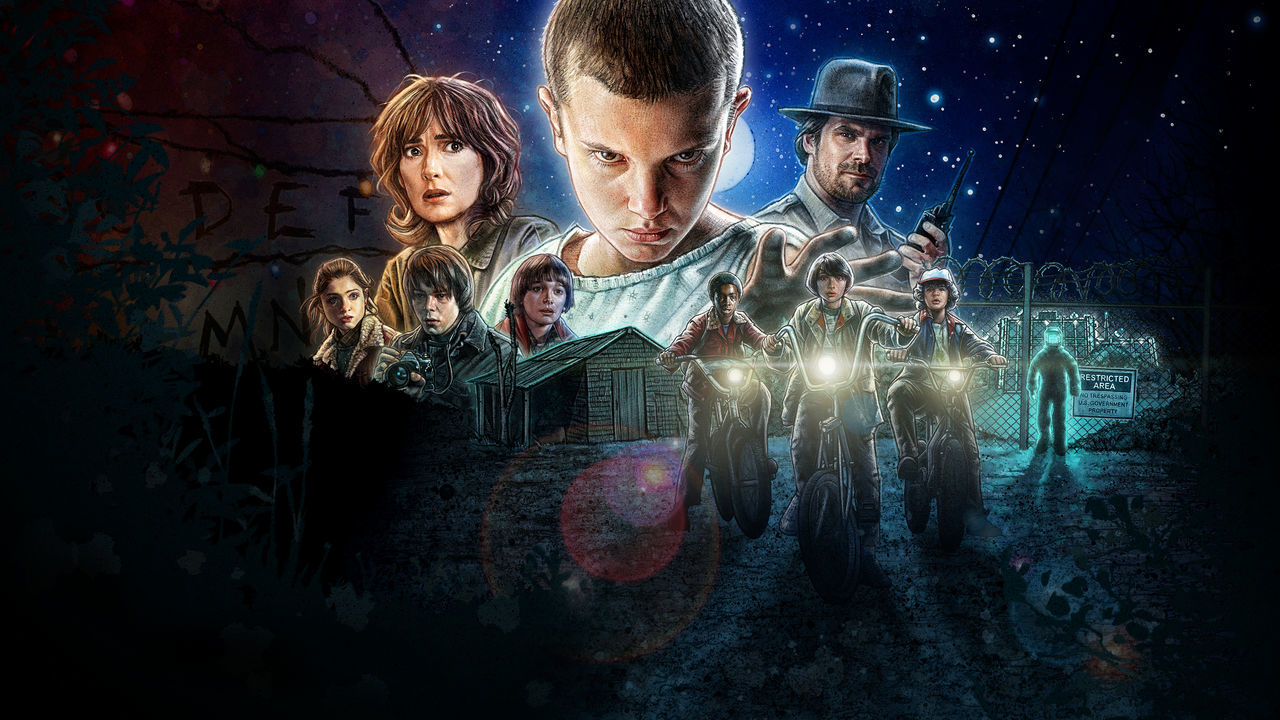
"Stranger Things" 10-Year Anniversary: The Boomer Nostalgia Boom Mainstream Missed
While critics hail it as a Gen Z and Millennial touchstone, the show's real intergenerational power lies in its ability to transport older viewers back to their own youth.
The direct answer
The 10-year anniversary of "Stranger Things" has sparked widespread celebration, with much of the mainstream media focusing on its appeal to younger generations and its impact on Millennial and Gen Z culture
"Stranger Things delivered what Netflix so desperately needed: a thrilling show the whole family could watch."
. However, this narrative overlooks a crucial element: the show's profound intergenerational resonance. For Boomers and Gen X, "Stranger Things" is more than just a popular series; it's a potent vehicle for nostalgia, allowing them to revisit their own formative years. The show's meticulous 1980s aesthetic, complete with big hair and iconic music, directly taps into the cultural zeitgeist of their youth, offering a shared experience with their children and grandchildren
"The casting, especially of the young actors, is impeccable; the '80s nostalgia was perfectly timed, happening just as pop culture was full of bright colors and big hair, and there was even an '80s icon, Winona Ryder, for the viewers who saw Heathers in the theater."
. This dual appeal—capturing the present while evoking the past—is precisely what makes it a family viewing phenomenon, a fact highlighted by critics who note its success in splitting narrative focus across multiple age groups, enabling viewers to identify with characters across different generations and their own past selves
"Splitting its narrative among three cohorts was risky, but it's striking how successfully Stranger Things appeals to GenXers, Millennials, and teens alike--and how pleasurably slippery their identification is. Presumably, now middle-aged GenX parents identify with the adults, twenty-something Millenials with the teens, and teens with the children. Yet GenXers also identify with the teenagers and children that they were in 1983, pluralizing their nostalgic pleasure."
. The industry has certainly taken note, with streaming services increasingly seeking content that can bridge demographic divides, aiming for the kind of broad, multi-generational viewership that "Stranger Things" has masterfully achieved.
The Eighties Aesthetic: More Than Just Big Hair
The meticulously crafted 1980s setting of "Stranger Things" is more than just a stylistic choice; it's a direct conduit to the past for Gen X and Boomers. This era, characterized by its vibrant pop culture, iconic music, and distinct fashion, evokes powerful memories for those who lived through it. The show's casting, notably featuring 80s icon Winona Ryder, further amplifies this nostalgic pull, reminding viewers of their own youth and the films they saw in theaters
"The casting, especially of the young actors, is impeccable; the '80s nostalgia was perfectly timed, happening just as pop culture was full of bright colors and big hair, and there was even an '80s icon, Winona Ryder, for the viewers who saw Heathers in the theater."
. As critic Virginia Bonner notes, the show's success in splitting its narrative among different age groups is striking, allowing Gen X parents to identify with the adult characters while simultaneously reliving their own adolescence through the younger protagonists
"Splitting its narrative among three cohorts was risky, but it's striking how successfully Stranger Things appeals to GenXers, Millennials, and teens alike--and how pleasurably slippery their identification is. Presumably, now middle-aged GenX parents identify with the adults, twenty-something Millenials with the teens, and teens with the children. Yet GenXers also identify with the teenagers and children that they were in 1983, pluralizing their nostalgic pleasure."
. This pluralization of nostalgic pleasure is a key driver of its widespread appeal, offering a shared cultural reference point that transcends generational divides.
The Sandwich Generation's Nostalgia Fix
For many in Gen X, the 80s nostalgia offered by "Stranger Things" serves as a welcome escape from the pressures of modern life. As critic Davida G. Breier points out, looking back at a seemingly simpler time can be far more appealing than the daily grind of work and keeping pace with younger generations
"It's a lot easier to look back and, possibly falsely, remember how good something was than it is to constantly keep pace at work and with younger generations. The fact of the matter is, Gen X is tired. We're now a sandwich generation, which sounds a lot better than it actually is, caught between being the parents of teenagers and the children of older adults."
. This is particularly true for the "sandwich generation," caught between caring for aging parents and raising teenagers. "Stranger Things" provides a shared activity and a common ground, a way to connect with children and grandchildren by sharing a piece of their own history. This intergenerational viewing experience is not just about entertainment; it's about creating shared memories and reinforcing family bonds, a powerful, often underestimated, driver of viewer engagement and loyalty.
Beyond the Hype: The Real Family Viewing Phenomenon
While mainstream coverage often frames "Stranger Things" through the lens of Gen Z and Millennial trends, its true impact lies in its ability to unite families. As Dais Johnston observed, the show delivered "what Netflix so desperately needed: a thrilling show the whole family could watch"
"Stranger Things delivered what Netflix so desperately needed: a thrilling show the whole family could watch."
. This broad appeal is a significant achievement in a fragmented media landscape. It means that households are tuning in together, with parents and grandparents experiencing the show alongside their children and grandchildren. This shared viewing is not just anecdotal; it translates into sustained viewership and a deeply engaged audience. The success of "Stranger Things" in this regard provides a blueprint for content creators and platforms looking to capture a wider demographic, demonstrating that compelling storytelling can indeed bridge generational gaps and foster genuine family connection.
Common mistakes
- Focusing solely on Gen Z/Millennial appeal.
This narrative misses the show's significant intergenerational impact, particularly its strong resonance with Gen X and Boomers seeking nostalgia and shared family viewing experiences. - Treating nostalgia as a superficial aesthetic choice.
The 80s setting is a powerful emotional trigger for older viewers, allowing them to reconnect with their past and share those memories with younger family members, a deeper function than mere visual style. - Underestimating the 'sandwich generation' viewer.
This demographic is often time-poor and stressed; a show like 'Stranger Things' offers a valuable, low-effort way to decompress and connect with family, making it a highly potent cultural product for them.
"It's a lot easier to look back and, possibly falsely, remember how good something was than it is to constantly keep pace at work and with younger generations. The fact of the matter is, Gen X is tired. We're now a sandwich generation, which sounds a lot better than it actually is, caught between being the parents of teenagers and the children of older adults."
. This intergenerational viewing offers a respite, a chance to share formative memories with younger family members in a way that few other cultural products can. The industry, focused on demographic silos, often fails to recognize this potent, wallet-friendly appeal.
Frequently asked
Why is "Stranger Things" so popular with multiple generations?
Its success stems from a multi-layered appeal. The 80s aesthetic taps into potent nostalgia for Gen X and Boomers, while the compelling story and relatable characters engage younger audiences. Critically, it offers a shared experience, allowing families to bond over a common cultural touchstone that evokes personal memories for older viewers and introduces a vibrant past to younger ones.
How does "Stranger Things" leverage nostalgia effectively?
The show meticulously recreates the 1980s, from music and fashion to technology and cultural references. This accurate portrayal acts as a powerful trigger for viewers who lived through the era, allowing them to relive their youth. The inclusion of 80s icons like Winona Ryder further amplifies this effect, creating a deeply personal connection for older demographics.
What does the show's intergenerational appeal mean for content creators?
It signifies a powerful, often untapped, market for content that can bridge demographic divides. Platforms and creators who can successfully blend contemporary relevance with nostalgic elements and compelling narratives across age groups can foster broader, more loyal audiences and more integrated family viewing habits, a strategy that proves more valuable than chasing niche demographics.
Sources
More from Media & Culture → · Back to Perch · Browse all stories