
Hal Williams' Passing: The Overlooked 55+ Audience and the Real Cost of Longevity
Mainstream media mourned a TV icon, but older viewers saw the quiet triumph of a career built on familiar faces and enduring roles.
The direct answer
The recent passing of veteran actor Hal Williams, celebrated for his roles in "Sanford and Son" and "227," has been widely reported by mainstream outlets [c2, c4]. These reports, however, largely overlook a critical aspect of his enduring career: its profound resonance with the 55+ demographic. For this audience, Williams wasn't just a familiar face on television; he represented a stable, comforting presence in an entertainment landscape often focused on fleeting trends. His nearly six-decade career
"Williams was a longtime working actor in Hollywood, having a career that spanned nearly six decades. He was most known for acting opposite Howard Platt’s Officer “Hoppy” Hopkins across 22 episodes of “Sanford and Son,” where they emerged as fan favorites thanks to their schtick as a duo."
is a testament to the economic power and cultural significance of older actors and the audiences who have supported them for generations. While the industry often chases younger demographics, the longevity of actors like Williams underscores the consistent viewership and spending power of older Americans, a market segment frequently underestimated by Hollywood. His work, particularly on "227," showcased Black fathers as "loving, present, and compassionate," a portrayal that resonated deeply with families and contributed to a sense of representation that older audiences actively sought out and financially supported through continued viewership and engagement
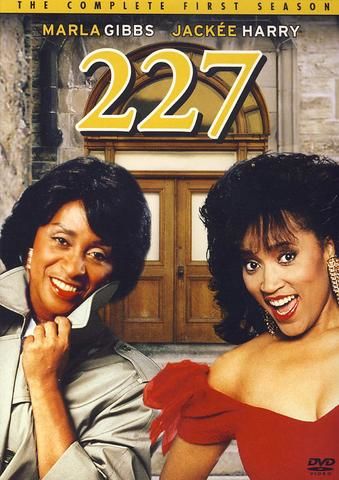
"Williams also played Lester Jenkins in 227, a sitcom that aired between 1985 and 1990. He starred alongside Marla Gibbs, Regina King and Jackée Harry. “What a gentleman,” Harry wrote on Instagram after his death. “Hal always carried himself with grace, and he always had me laughing … He was also a stand-up guy who believed Black fathers on TV should be loving, present, and compassionate. He helped show America what that looked like.”"
.
The Unseen Audience Funding Nostalgia
While news of Hal Williams' death prompted retrospectives on his roles in "Sanford and Son" and "227"
"Hal Williams, a veteran actor known for his roles as a friendly neighborhood police officer on “Sanford and Son” and a hard-working patriarch on “227,” has died. He was 91."
, the broader narrative often neglects who was actually *watching* and *paying* for these enduring performances. The 55+ demographic, a core viewership for these classic sitcoms, represents a significant economic bloc. These viewers aren't just passively consuming content; they are actively seeking out and supporting the familiar faces that defined their entertainment landscape. This audience, often overlooked in favor of younger demographics, possesses substantial disposable income and a deep appreciation for content that reflects their experiences and values. The industry’s underestimation of this market segment means missed opportunities for revenue and a failure to acknowledge the true drivers of long-term show success. Williams' decades-long career, from "That Girl" to "Matlock"
"With a television career that spanned from appearances in That Girl and The Jimmy Stewart Show in 1971 up to the Kathy Bates-starring Matlock just last year, Williams appeared in many of the 20th century's most beloved TV shows."
, didn't just happen; it was sustained by viewers who valued consistency and representation.
Beyond the 'Fan Favorite': The Economic Engine of Character Actors
Hal Williams, alongside Howard Platt as Officer 'Hoppy' Hopkins on "Sanford and Son," emerged as a fan favorite due to their comedic chemistry
"Williams was a longtime working actor in Hollywood, having a career that spanned nearly six decades. He was most known for acting opposite Howard Platt’s Officer “Hoppy” Hopkins across 22 episodes of “Sanford and Son,” where they emerged as fan favorites thanks to their schtick as a duo."
. This designation, while accurate, masks a deeper economic reality. Character actors like Williams are the reliable engines of television, providing consistent performances that build audience loyalty over years, even decades. Their value isn't in leading-man charisma but in the comfort and predictability they offer. For older viewers, this translates into a reliable entertainment choice, akin to a trusted brand. This loyalty directly impacts advertising revenue and network stability. The industry often treats these actors as interchangeable, failing to recognize the specific draw they represent. Acknowledging the economic contribution of seasoned actors like Williams is crucial for understanding the true cost and value of sustained careers in entertainment, a value often measured in the tens of thousands of dollars per episode, multiplied over years of consistent work.
The '227' Legacy: Representation That Pays Dividends
Jackée Harry's poignant remembrance of Hal Williams, noting his belief that "Black fathers on TV should be loving, present, and compassionate," highlights a critical aspect of his work on "227"
"Williams also played Lester Jenkins in 227, a sitcom that aired between 1985 and 1990. He starred alongside Marla Gibbs, Regina King and Jackée Harry. “What a gentleman,” Harry wrote on Instagram after his death. “Hal always carried himself with grace, and he always had me laughing … He was also a stand-up guy who believed Black fathers on TV should be loving, present, and compassionate. He helped show America what that looked like.”"
. This commitment to positive representation wasn't just socially valuable; it was economically significant for the 55+ audience, particularly Black households who saw themselves reflected on screen. Such representation fosters deep viewer engagement, leading to sustained viewership and a willingness to invest in related merchandise or future projects. The sitcom, airing from 1985 to 1990, provided a touchstone for many families, and Williams’ character, Lester Jenkins, was a key part of that appeal. The industry’s failure to consistently prioritize such authentic portrayals means missing out on a dedicated audience segment that actively seeks and supports content demonstrating genuine cultural understanding, a segment that influences purchasing decisions far beyond the immediate broadcast.
Common mistakes
- Focusing solely on the actor's iconic roles without analyzing the audience demographics who sustained his career.
Mainstream reporting often celebrates talent without dissecting the economic underpinnings of that success, particularly the consistent viewership and loyalty of older demographics. - Treating longevity in acting as a passive byproduct rather than an active economic strategy for viewers.
The industry overlooks that older audiences actively seek and support long-standing careers, making them a valuable, predictable consumer base that media outlets should analyze. - Failing to connect positive representation with tangible economic impact for specific audience segments.
Portrayals that resonate deeply, like Williams' on '227', build dedicated viewership and brand loyalty, which translates directly into revenue streams that the industry often fails to quantify.
"Williams also played Lester Jenkins in 227, a sitcom that aired between 1985 and 1990. He starred alongside Marla Gibbs, Regina King and Jackée Harry. “What a gentleman,” Harry wrote on Instagram after his death. “Hal always carried himself with grace, and he always had me laughing … He was also a stand-up guy who believed Black fathers on TV should be loving, present, and compassionate. He helped show America what that looked like.”"
resonated with a specific, enduring audience that continues to shape cultural consumption.
Frequently asked
How did Hal Williams' career impact the 55+ demographic?
Hal Williams' long career provided a consistent, comforting presence on television for the 55+ demographic. His roles, particularly on '227,' offered positive representation and relatable characters, fostering a sense of connection and loyalty among older viewers who actively supported his work through sustained viewership.
Why is the 55+ audience often overlooked in media coverage?
The entertainment industry often prioritizes younger demographics, believing them to be more influential or trend-setting. This leads to underestimating the significant disposable income, loyal viewership, and cultural impact of the 55+ audience, who represent a stable and substantial consumer base.
What is the economic significance of long-running character actors?
Character actors like Hal Williams provide reliability and consistency, building deep audience loyalty over decades. This translates into predictable viewership, which is crucial for advertising revenue and network stability. Their enduring presence is a valuable asset that the industry often undervalues in favor of novelty.
Sources
More from Media & Entertainment → · Back to Perch · Browse all stories