
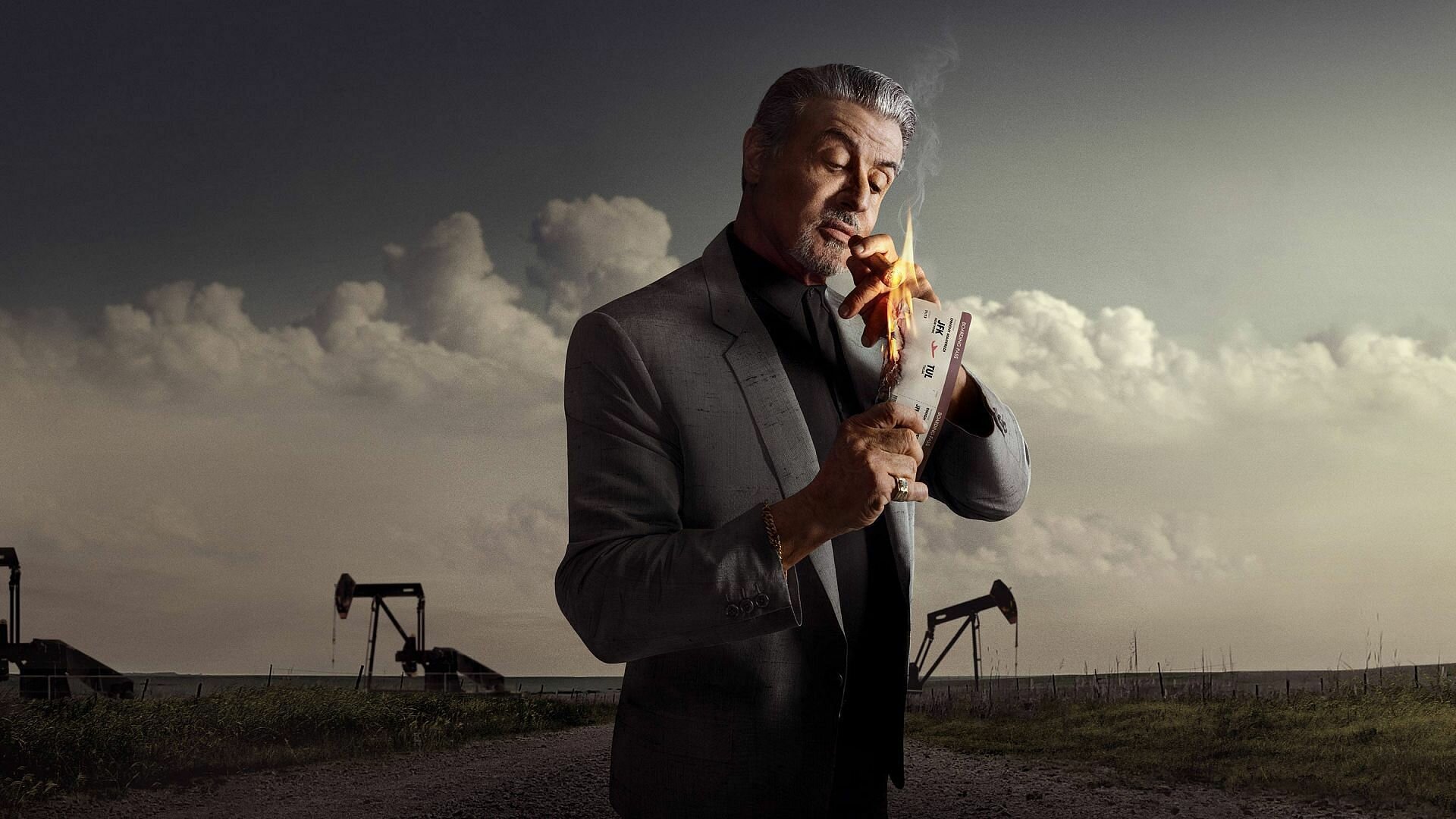
Stallone's 'Tulsa King' Proves Hollywood's Ageism is a Myth (For Some)
Mainstream media missed the real story: Sylvester Stallone isn't just acting, he's rewriting the rules for older talent and proving reinvention pays.
The direct answer
Mainstream coverage of Sylvester Stallone's "Tulsa King" focused on his return to television, often framing it as a late-career pivot
"Stallone, for his part, is actually quite funny, quite often. 'If I can change, and you can change…' indeed. It's a reminder of an American icon so known it's easy to take him for granted, so one-hue it's nice to see a flex of different muscles, so undeniably charismatic he's welcome to take a country ride with."
. However, this missed a crucial angle: the significant financial implications and the challenge to Hollywood's entrenched ageism. Stallone, at 76, is not just acting; he's demonstrating a powerful model for career reinvention that directly impacts the earning potential of older talent. His willingness to embrace demanding leading roles and potentially continue a hit series
"Well, what's the moral of that story is never listen to an actor. If he has a hit going, he is not walking away, it's too rare. I only wanted to do two seasons maximum and I was done for real. I'd say goodbye. This is it. Take a polaroid, right, because I'm not coming back. I thought, how do you follow up with it? And then when it came out, [I was like], you can't quit on this thing. You love sequels anyway, so just go for it. Forget your age and just keep pumping away."
signals a lucrative path that defies the industry's tendency to sideline actors past a certain age. This isn't just about star power; it's about proving that a seasoned performer can still command significant audience attention and, by extension, substantial paychecks, challenging the narrative that older actors are relegated to smaller, less impactful roles or retirement
"In a recent interview with IndieWire, Stallone stated that “Tulsa King” might be his final acting role in a self-produced project. He also stated that he plans to focus on other aspects of filmmaking going forward."
. The success of "Tulsa King" suggests a market appetite for experienced performers in leading capacities, a market that older actors and their representatives can now more aggressively tap into.
The 'Retirement' Trope is a Myth (For the Rich)
The media often frames older actors as either fading away or making a 'comeback.' Stallone's situation with "Tulsa King" upends this. He initially suggested he might be done after two seasons
"Well, what's the moral of that story is never listen to an actor. If he has a hit going, he is not walking away, it's too rare. I only wanted to do two seasons maximum and I was done for real. I'd say goodbye. This is it. Take a polaroid, right, because I'm not coming back. I thought, how do you follow up with it? And then when it came out, [I was like], you can't quit on this thing. You love sequels anyway, so just go for it. Forget your age and just keep pumping away."
, a sentiment often interpreted as genuine retirement. Yet, the show's success, and his own admission that "you can't quit on this thing"
"Well, what's the moral of that story is never listen to an actor. If he has a hit going, he is not walking away, it's too rare. I only wanted to do two seasons maximum and I was done for real. I'd say goodbye. This is it. Take a polaroid, right, because I'm not coming back. I thought, how do you follow up with it? And then when it came out, [I was like], you can't quit on this thing. You love sequels anyway, so just go for it. Forget your age and just keep pumping away."
, reveals a more pragmatic reality: when a project hits, the financial incentives to continue are immense. This isn't about an actor clinging to relevance; it's about capitalizing on a proven, high-earning asset. For an actor of Stallone's stature, a hit show like "Tulsa King" likely translates into millions per season, a far cry from the meager residuals or limited roles often offered to less prominent older actors. This demonstrates that the 'retirement' narrative is often a luxury afforded to those who *don't* have a massive, ongoing revenue stream.
Reinvention Beyond the Franchise
Stallone's career is a masterclass in reinvention, moving from 'Rocky' and 'Rambo' to the unexpected comedic timing in "Tulsa King"
"Stallone, for his part, is actually quite funny, quite often. 'If I can change, and you can change…' indeed. It's a reminder of an American icon so known it's easy to take him for granted, so one-hue it's nice to see a flex of different muscles, so undeniably charismatic he's welcome to take a country ride with."
. This adaptability is key. While many older actors are typecast or struggle to find roles outside their established personas, Stallone embraced a new genre and format. This isn't just about playing a different character; it's about proving that a performer's marketability can evolve. IndieWire noted Stallone's own comments about potentially focusing on other aspects of filmmaking, suggesting "Tulsa King" might be his final *self-produced* acting role
"In a recent interview with IndieWire, Stallone stated that “Tulsa King” might be his final acting role in a self-produced project. He also stated that he plans to focus on other aspects of filmmaking going forward."
. This strategic thinking—balancing acting with producing and evolving project types—is the blueprint for sustained relevance and financial success, not just for Stallone, but for any actor looking to extend their prime earning years.
The Untapped Market for Mature Leads
The critical reception of "Tulsa King" highlights a significant, often overlooked market: audiences eager to see seasoned actors in compelling, demanding roles. Critics noted Stallone, at 76, "shows no signs of slowing down, and on the small screen he seems, if anything, even larger than he did before"
"But the 76-year-old shows no signs of slowing down, and on the small screen he seems, if anything, even larger than he did before."
. This suggests a disconnect between Hollywood's casting decisions and audience desires. For years, the industry has been fixated on youth, often at the expense of depth and experience. Stallone's success with "Tulsa King" provides concrete evidence that there's a substantial appetite for mature leads, especially when they bring star power and a proven track record. This isn't just good PR; it's a signal to agents and studios that investing in older talent for lead roles can yield significant returns, potentially unlocking millions in new revenue streams for actors over 50.
Common mistakes
- Focusing solely on Stallone's 'return' to TV.
This framing misses the financial and age-related implications. It treats it as a personal comeback rather than a strategic business move that challenges industry norms. - Ignoring the financial aspect of career reinvention.
The media rarely connects an older actor's success to the potential for multi-million dollar contracts and sustained earning power, treating it as merely 'staying busy.' - Presenting ageism as an insurmountable barrier.
While ageism exists, Stallone's success proves it's not absolute. The narrative should acknowledge the challenges but highlight how strategic career moves can overcome them, rather than just lamenting the problem.
"Stallone, for his part, is actually quite funny, quite often. 'If I can change, and you can change…' indeed. It's a reminder of an American icon so known it's easy to take him for granted, so one-hue it's nice to see a flex of different muscles, so undeniably charismatic he's welcome to take a country ride with."
, they largely ignore the financial muscle behind such projects and the stark contrast Stallone presents to the typical trajectory of an older actor. He's not just acting; he's a case study in how to leverage established fame into a profitable reinvention, demonstrating that age is less a barrier and more a potential asset when paired with a willingness to adapt and dominate. The real story is how this success opens doors and potentially significantly boosts the earning power for other actors over 50, a demographic often overlooked by studios eager to chase younger demographics
"But the 76-year-old shows no signs of slowing down, and on the small screen he seems, if anything, even larger than he did before."
.
Frequently asked
Can older actors really achieve career reinvention like Stallone?
Yes, but it requires strategic adaptation. Stallone's success in 'Tulsa King' demonstrates the power of embracing new genres, formats, and even comedic roles. It's about proving continued marketability and leveraging established fame into new, lucrative opportunities, rather than waiting for traditional roles.
What does Stallone's success mean for actors over 50?
It signals a potential shift in the industry. His ability to command a hit series at 76 suggests a viable market for mature leads, opening doors for other experienced actors to pursue leading roles and potentially negotiate for higher salaries and more significant projects.
Is Stallone retiring from acting?
He has indicated that 'Tulsa King' might be his last *self-produced* acting role, suggesting a desire to focus on other aspects of filmmaking [c2]. However, his enthusiasm for the show's success [c3] indicates he's far from stepping away from acting entirely, especially if lucrative opportunities arise.
Sources



More from Entertainment → · Back to Perch · Browse all stories