
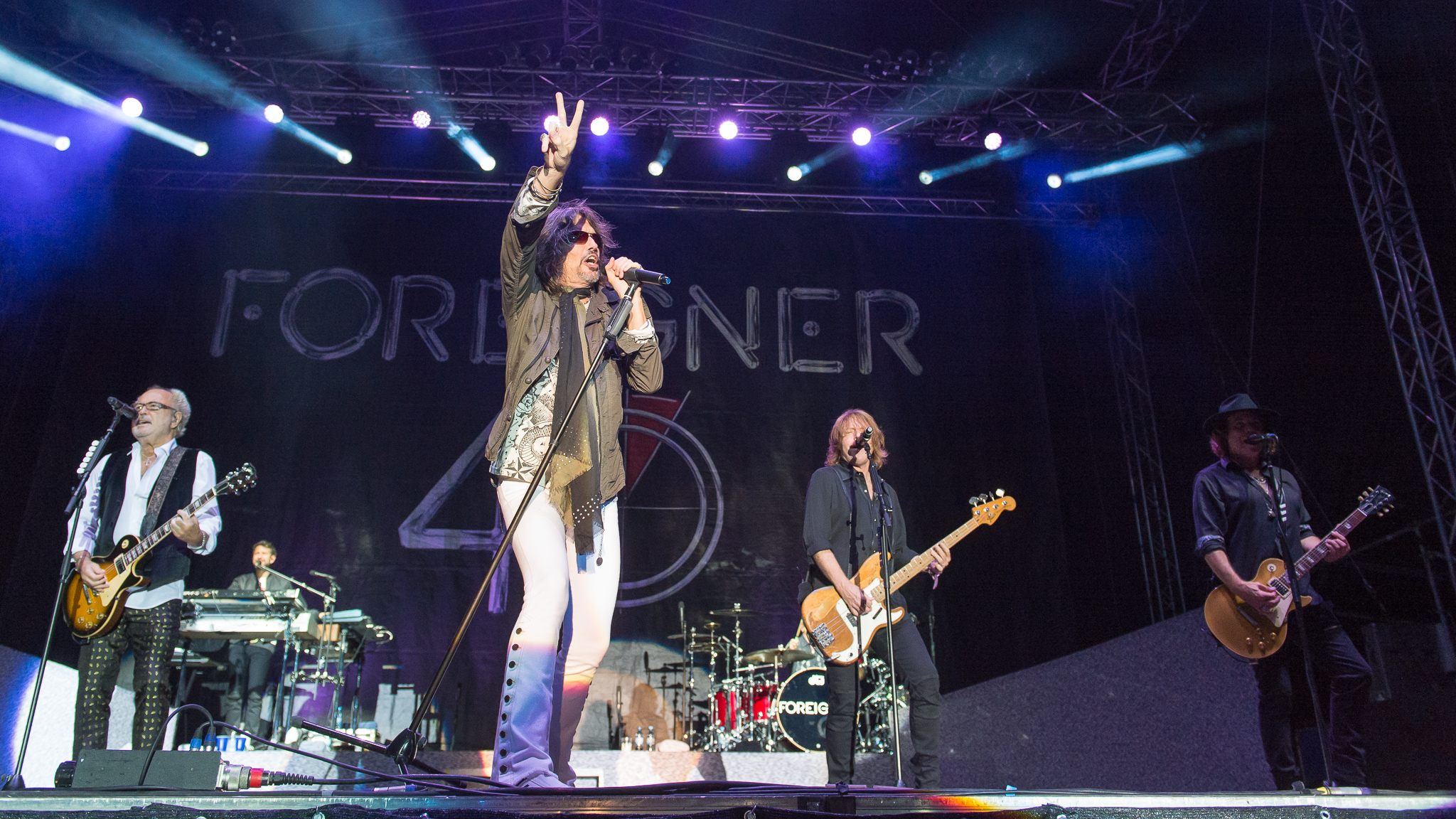
Lou Gramm's Farewell: Classic Rock's 55+ Audience Gets the Last Word
As Foreigner's iconic frontman bids adieu after 50 years, the mainstream misses the real story: a generation's enduring legacy and the economics of retirement.
The direct answer
Lou Gramm, the legendary voice of Foreigner, is set to retire from touring at the end of 2026
"Lou Gramm has retired before -- and then he came back. But after more than 50 years on the road, the former Foreigner vocalist says he'll finally hang it up in 2026."
. While much of the media coverage focuses on the band's 50th-anniversary reunion, the deeper narrative resonates with the 55+ demographic who grew up with hits like "I Want to Know What Love Is." For this generation, Gramm's retirement isn't just about a musician stepping down; it's a poignant marker of their own life stages, career transitions, and the enduring power of the music that soundtracked their youth
"Foreigner legend Lou Gramm will retire from touring at the end of his 2026 North American tour, bringing an end to a career spanning more than five decades... Gramm has continued performing solo shows while also making guest appearances with Foreigner during the band's ongoing 50th anniversary celebrations."
. Gramm himself has indicated a desire to "go out with a bang"
"Original FOREIGNER singer Lou Gramm confirmed that he will retire from performing live at the end of this year. 'I feel like I've done this long enough, and while I really enjoyed a lot about this life, I think the second most important thing to putting your heart and your mind and your body into it and getting into a great band is knowing when to walk away,' he said."
, signaling a deliberate choice to end a career spanning over five decades on his own terms, a sentiment that likely echoes for many in his core audience facing similar life decisions
"Now that they have reached that long-elusive milestone, Lou Gramm says he's ready to hang it up. The Songwriter Hall of Fame member, 75, recently confirmed that he will retire for good in 2026 after more than 54 years on the road."
. This planned exit contrasts with the more abrupt career shifts seen in today's gig economy, offering a model of legacy and intentional transition.
The Economics of Legacy Rock
Lou Gramm's retirement at the end of 2026 isn't just a personal milestone; it's a significant economic event for the classic rock industry and its dedicated fanbase. After more than 50 years of performing
"Now that they have reached that long-elusive milestone, Lou Gramm says he's ready to hang it up. The Songwriter Hall of Fame member, 75, recently confirmed that he will retire for good in 2026 after more than 54 years on the road."
, Gramm's decision to "hang it up"
"Lou Gramm has retired before -- and then he came back. But after more than 50 years on the road, the former Foreigner vocalist says he'll finally hang it up in 2026."
signals a potential shift in touring economics. For fans aged 55 and older, many of whom have supported these artists for decades, Gramm's departure prompts reflection on how they, too, manage their own career transitions and financial futures. The longevity of bands like Foreigner, and the continued demand for their music, highlights a powerful, albeit often overlooked, consumer base whose loyalty translates into substantial, sustained revenue. This enduring appeal suggests that the 'legacy act' market remains robust, particularly when artists like Gramm provide clear exit strategies, allowing fans to plan their own engagement, much like planning for retirement accounts.
Beyond the Reunion Hype
The narrative surrounding Lou Gramm's return to Foreigner for their 50th-anniversary tour often centers on reunion hype, a familiar trope in classic rock. However, the more compelling story, largely missed by mainstream outlets, is Gramm's simultaneous announcement of his permanent retirement from touring in 2026 [c1, c3]. This duality—reunion and farewell—speaks volumes about career arcs and the evolving priorities of seasoned artists. For the generation that grew up with Foreigner's anthems, this isn't just about hearing old songs; it's about witnessing the culmination of a lifelong career. It’s about understanding the decision-making process of someone who, after decades of dedication, is choosing to "walk away"
"Original FOREIGNER singer Lou Gramm confirmed that he will retire from performing live at the end of this year. 'I feel like I've done this long enough, and while I really enjoyed a lot about this life, I think the second most important thing to putting your heart and your mind and your body into it and getting into a great band is knowing when to walk away,' he said."
, a choice that resonates deeply with a demographic increasingly focused on legacy and life after full-time work.
Career Transitions: An Artist's Blueprint
Lou Gramm's planned retirement in 2026 offers a tangible example of a well-managed career transition, a concept often discussed but rarely exemplified with such clarity in the entertainment industry. Unlike the often-abrupt departures or forced exits common in other fields, Gramm's decision to retire after a celebratory tour signifies a deliberate choice to "go out with a bang"
"Original FOREIGNER singer Lou Gramm confirmed that he will retire from performing live at the end of this year. 'I feel like I've done this long enough, and while I really enjoyed a lot about this life, I think the second most important thing to putting your heart and your mind and your body into it and getting into a great band is knowing when to walk away,' he said."
. This approach provides a roadmap for other artists and, by extension, for fans navigating their own career endings. The fact that Gramm, a Songwriter Hall of Fame member, is making this announcement well in advance allows for a period of reflection and appreciation, a stark contrast to the often-chaotic end-of-career scenarios that leave stakeholders scrambling. This intentionality is a lesson in legacy building for performers and consumers alike.
Common mistakes
- Focusing solely on the reunion aspect without acknowledging the retirement.
Mainstream coverage often prioritizes the 'comeback' narrative, missing the opportunity to explore the deeper implications of an artist's planned departure for their long-term audience. - Treating Lou Gramm's retirement as just another celebrity announcement.
Failing to connect Gramm's career conclusion to the life stages and financial considerations of the 55+ demographic, who are the primary, enduring consumers of classic rock. - Using generic language about aging and legacy without specific financial or career transition context.
The opportunity to offer concrete insights into career management and retirement planning, relevant to the demographic most affected, is lost in vague platitudes.
"Lou Gramm has retired before -- and then he came back. But after more than 50 years on the road, the former Foreigner vocalist says he'll finally hang it up in 2026."
with the life cycles and financial realities of the generation that has sustained classic rock for decades. This isn't just a musician retiring; it's a cultural touchstone for those who remember buying vinyl, who now face their own career-ending decisions or the challenge of managing retirement finances. Gramm's deliberate, planned departure offers a model of legacy management that the industry, often focused on immediate 'utilization management' (a phrase that means roughly the same thing as 'no'), rarely acknowledges for its most loyal consumers.
Frequently asked
When exactly is Lou Gramm retiring?
Lou Gramm has announced he will retire from touring at the end of 2026, following Foreigner's 50th-anniversary North American tour [c3].
Has Lou Gramm retired before?
Yes, Lou Gramm has retired from performing in the past and subsequently returned. However, he has stated that this planned retirement in 2026 is intended to be final after over 50 years in the music industry [c1].
What does Lou Gramm's retirement mean for his fans?
For his long-time fans, particularly those in the 55+ demographic, Gramm's retirement signifies the end of an era and prompts reflection on legacy, career transitions, and the enduring impact of classic rock music on their lives.


