
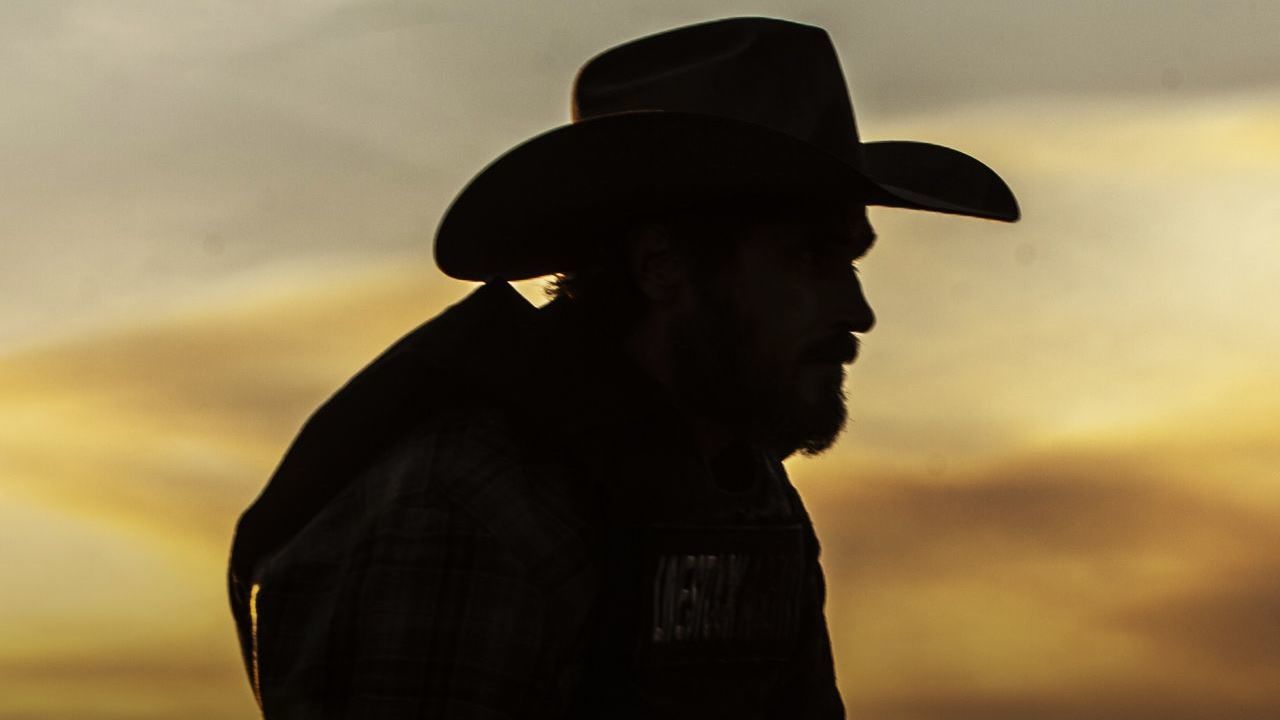
Ed Harris Slams 'Inconsequential' Role, Exposing Hollywood's Ageist Casting Practices
While the media fixates on celebrity spats, a veteran actor’s frustration highlights the industry’s failure to offer meaningful roles for seasoned performers.
The direct answer
Ed Harris, a four-time Oscar nominee, has publicly expressed dissatisfaction with his role in the "Yellowstone" spinoff "Dutton Ranch," calling his character "inconsequential" and feeling "misled" about his character's significance [c1, c2]. While entertainment news outlets have focused on the celebrity drama and potential conflict with creator Taylor Sheridan
"Ed Harris reportedly ruffled feathers on the Dutton Ranch set after publicly criticizing his role. The actor had called his character “inconsequential,” but insiders claimed Taylor Sheridan still planned to give him more screen time. ... An insider told the Daily Mail that Sheridan remained unhappy about Harris' public complaints. However, the source claimed Sheridan planned to honor his original promise and expand Everett's role. “Ed Harris will remain on the show and his role will get even bigger,” the insider claimed. “He is getting more time even though he pissed Taylor Sheridan off with his comments.”"
, this situation taps into a deeper issue: Hollywood's persistent tendency to relegate older actors, particularly those over 55, to peripheral or underdeveloped parts. Harris, accustomed to leading roles, found himself with significantly less screen time and narrative weight than initially promised, a common experience for experienced actors seeking substantive work that reflects their talent and life experience. The mainstream coverage misses the core concern: the industry's underestimation of the 55+ audience's desire for complex, age-appropriate portrayals, rather than just background characters in major franchises.
The Celebrity Drama Distraction
The initial reports surrounding Ed Harris’s comments focused almost exclusively on the potential for conflict between a star actor and a showrunner. News outlets like E! Online and the Los Angeles Times highlighted Harris’s blunt statements, such as wanting to "Get me the f— out of here"
"Harris, a four-time Oscar nominee known for “The Truman Show” and “Apollo 13,” spoke bluntly about his experience on the “Yellowstone” spinoff, telling Variety's Marc Malkin at a red carpet premiere Monday that he was ready to drop the show midway through its first season. “Get me the f— out of here,” Harris, 75, recalled telling his team."
, and his feeling of being "misled" about his character’s importance
"Two months after the Yellowstone spinoff Dutton Ranch premiered its first season, Ed Harris, who plays vet Everett McKinney, admitted he felt “misled” by the role. ... “Prior to signing on for it, I was talked to quite a bit about what the season was and what my character was going to do,” Harris told Variety in an interview July 20. “And that I was one of the four main characters, and that wasn't really the case.”"
. This framing, while attention-grabbing, serves to mask the underlying issue. By portraying it as a simple case of a difficult actor or a creative dispute, the industry narrative avoids confronting the uncomfortable reality of ageism and the lack of substantial roles for actors past a certain age, particularly those who have built careers on portraying complex, leading characters.
Hollywood's Ageist Underestimation
Harris, a decorated actor, was reportedly promised he would be one of four main characters in "Dutton Ranch," a promise that seemingly evaporated as the season progressed
"Two months after the Yellowstone spinoff Dutton Ranch premiered its first season, Ed Harris, who plays vet Everett McKinney, admitted he felt “misled” by the role. ... “Prior to signing on for it, I was talked to quite a bit about what the season was and what my character was going to do,” Harris told Variety in an interview July 20. “And that I was one of the four main characters, and that wasn't really the case.”"
. This isn't an isolated incident; it's a pattern. For actors over 55, the industry often defaults to limited, "gravitas" roles or supporting characters that serve primarily to advance younger protagonists' storylines. This overlooks the vast experience and nuanced performance capabilities of seasoned actors. The 55+ demographic represents a significant portion of the viewing audience, and their desire for relatable, well-developed older characters is consistently underestimated, leading to a lack of compelling content that truly speaks to their life stage.
The Value Proposition for the 55+ Audience
The frustration voiced by Ed Harris is particularly resonant with the 55+ demographic, who are often overlooked by Hollywood's casting directors and storytellers. This audience is not looking for superficial cameos; they are seeking characters who grapple with complex themes, possess rich backstories, and drive narratives in meaningful ways. The "Dutton Ranch" situation, where a prominent actor feels his contribution is "inconsequential," underscores a failure to tap into the potential of older talent. This is a missed opportunity not just for the actors, but for the studios seeking to engage a loyal and substantial viewership that often feels pandered to or ignored by mainstream entertainment.
Common mistakes
- Focusing solely on celebrity gossip.
The mainstream media's fixation on a potential feud between Ed Harris and Taylor Sheridan distracts from the systemic issue of ageism in Hollywood and the lack of substantial roles for older actors. - Underestimating the 55+ audience.
Hollywood often fails to recognize that older viewers seek complex, age-appropriate characters, not just token appearances, making this demographic an underserved market for meaningful storytelling. - Promising leading roles and delivering supporting ones.
The practice of casting veteran actors in supposedly central roles that are later diminished, as Harris experienced, disrespects their talent and alienates viewers who value authentic representation.
"Two months after the Yellowstone spinoff Dutton Ranch premiered its first season, Ed Harris, who plays vet Everett McKinney, admitted he felt “misled” by the role. ... “Prior to signing on for it, I was talked to quite a bit about what the season was and what my character was going to do,” Harris told Variety in an interview July 20. “And that I was one of the four main characters, and that wasn't really the case.”"
. The 55+ demographic, a substantial and discerning audience, is often underserved by Hollywood, which seems content to offer them token appearances rather than complex characters. Harris's blunt assessment, which insiders claim irked Sheridan
"Ed Harris reportedly ruffled feathers on the Dutton Ranch set after publicly criticizing his role. The actor had called his character “inconsequential,” but insiders claimed Taylor Sheridan still planned to give him more screen time. ... An insider told the Daily Mail that Sheridan remained unhappy about Harris' public complaints. However, the source claimed Sheridan planned to honor his original promise and expand Everett's role. “Ed Harris will remain on the show and his role will get even bigger,” the insider claimed. “He is getting more time even though he pissed Taylor Sheridan off with his comments.”"
, is a cry for the kind of nuanced storytelling that respects the gravitas seasoned performers bring, a sentiment far more valuable than any manufactured tabloid drama. This isn't just about Harris; it's about the millions of older viewers who deserve to see themselves reflected with dignity and complexity on screen.
Frequently asked
What did Ed Harris say about his role in 'Dutton Ranch'?
Ed Harris described his role in the 'Yellowstone' spinoff 'Dutton Ranch' as 'inconsequential' and admitted he felt 'misled' about the character's significance and screen time, even expressing a desire to leave the show midway through its first season [c1, c2].
Why is Ed Harris's complaint significant for the 55+ audience?
Harris's frustration highlights Hollywood's tendency to offer limited or underdeveloped roles to seasoned actors, a pattern that alienates the 55+ demographic who desire more complex and age-appropriate characters on screen.
How does this relate to ageism in Hollywood?
Harris's experience is a prime example of ageism, where veteran actors, despite their talent, are often sidelined or given less substantial parts, reflecting the industry's narrow perceptions of roles suitable for older individuals.
Sources


More from Entertainment → · Back to Perch · Browse all stories