
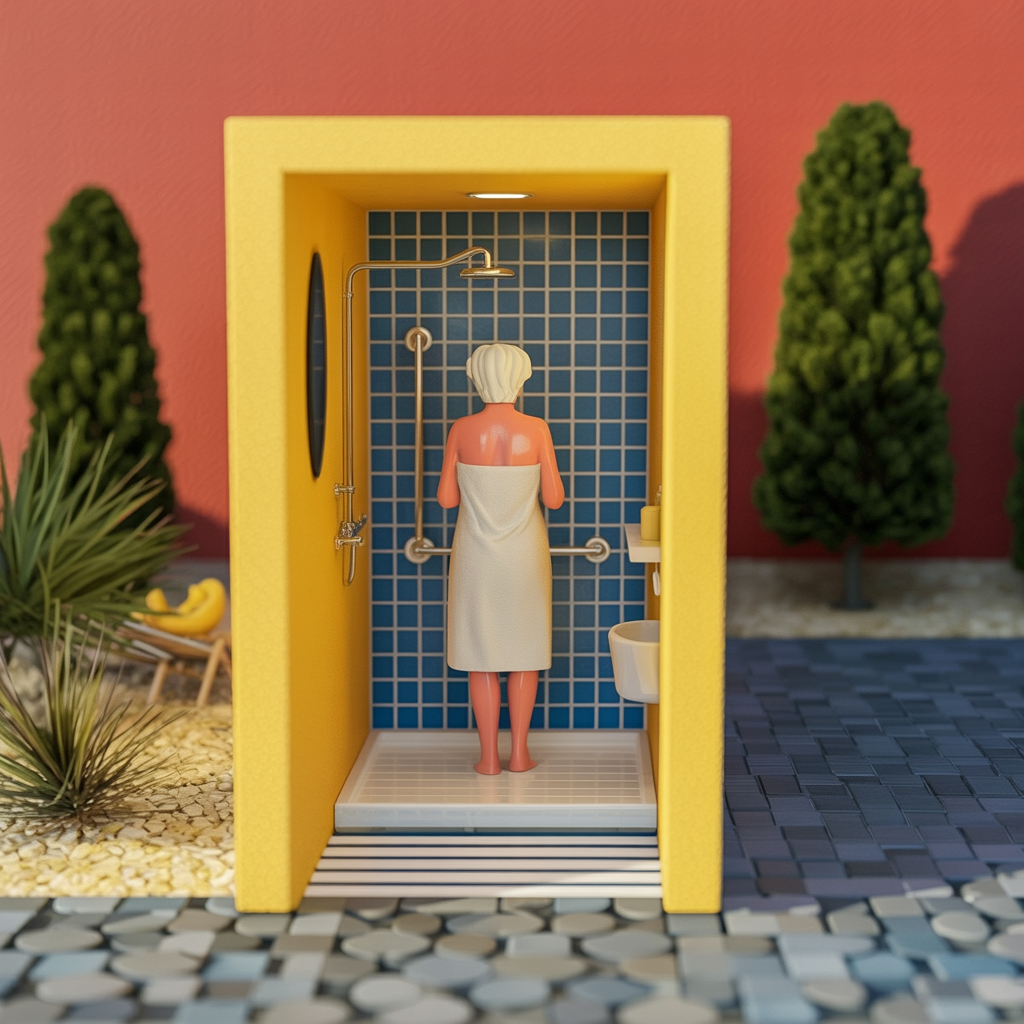
The Million-Dollar Hype: Why Skipping the New Alzheimer’s Drugs Might Be the Kindest Thing You Do
The media promised a cure. The reality is bi-weekly infusions, brain bleeds, and buying five months of status quo for the price of a townhome.
The press releases sounded like science fiction turned reality: a drug that finally clears the cognitive fog of Alzheimer's from the brain. If your 78-year-old mother is starting to lose her keys and her train of thought, it felt like a lifeline. But when you look past the pharmaceutical victory laps, the reality of these new treatments changes completely.
The direct answer
Saying no to new amyloid-targeting drugs like Leqembi or Kisunla is often the most rational decision because the actual benefit is remarkably small—buying roughly four to five months of slower decline. These drugs require bi-weekly intravenous infusions, regular MRI scans to monitor for brain swelling or bleeding, and can cost upwards of $26,500 annually before factoring in diagnostic tests and hospital visits. For an older adult who values peace and comfort over aggressive drug intervention, the trade-off rarely makes sense.
The Brutal Math of 'Slowing Decline'
Let's talk about what '27% slower decline' actually means in the real world. Over an 18-month trial, participants on Leqembi scored about 0.45 points better on an 18-point cognitive scale than those on a placebo. That is not a reversal; it is the difference between needing help with the checkbook in October instead of May.
To get those five months, your parent has to spend half a day, every two weeks, sitting in an infusion chair with a needle in their arm. They will need at least four MRI scans in the first year alone to make sure their brain isn't actively swelling or bleeding. If they live in a suburb without a major academic center, you are looking at dozens of hours in traffic.
The financial math is equally punishing. While Medicare covers the drug, families are still responsible for a 20% co-insurance rate. That is roughly $5,300 a year just for the drug itself, before you add the cost of the MRIs, the specialist visits, and the infusion center fees, which can easily push out-of-pocket costs past $10,000 annually.
The Side Effect Nobody Wants to Discuss
The pharmaceutical industry uses a sanitized term for the primary side effect of these drugs: ARIA, or Amyloid-Related Imaging Abnormalities. In plain English, this means brain swelling and micro-hemorrhages. In the phase 3 trial for Leqembi, about 13% of participants experienced brain swelling, and over 17% had brain bleeding.
While many of these cases were asymptomatic and only caught on routine MRIs, some were severe, causing headaches, confusion, vision changes, and in rare cases, death. If your parent is already anxious or easily confused, putting them through repeated MRIs is its own form of trauma. Loud, claustrophobic metal tubes are not friendly places for someone struggling to make sense of the world.
When you choose to bypass these drugs, you aren't giving up on your parent. You are choosing to prioritize their daily peace over a risky gamble. You are deciding that their remaining clear days should be spent in their garden or with family, not in a sterile room waiting for an IV drip.
What $26,000 Actually Buys in the Real World
Let's do some alternative budgeting. If you skip the infusions and the constant monitoring, that money can be redeployed into things that measurably improve your parent's daily life right now. For the cost of the co-pays and travel alone, you could hire a high-quality home aide to help them stay in their familiar environment safely.
If staying home is the goal, you can invest in a Certified Aging-in-Place Specialist (CAPS) assessment for $399 to identify exactly how to modify their home so they don't fall. You can install ramp access, smart lighting, and walk-in showers—changes that actually prevent the injuries that send older adults to a nursing home far faster than gradual cognitive decline. For ongoing support setup, you can learn more about finding local contractors at /home-services.
If a care facility becomes necessary down the line, saving those thousands of dollars now preserves their options later. When you look at platforms like A Place for Mom or Caring.com, they often steer you toward facilities that pay them heavy commissions, hiding the ones that might actually be the best fit. Having cash on hand allows you to make independent decisions based on objective data, like our Help Me Choose service for $199, which analyzes federal CMS and state inspection data without taking a dime from the facilities themselves to calculate a true Palmelle Clarity Score.
Common mistakes
- Confusing 'slowing decline' with 'getting better
More from The Conversation → · Back to Perch · Browse all stories