
Tech Support Scams Aren't Elder Abuse: They're a Business Model Exploiting Our Telecoms
The FBI dismantled an India-based operation, but US executives knowingly profited from the fraud.
The direct answer
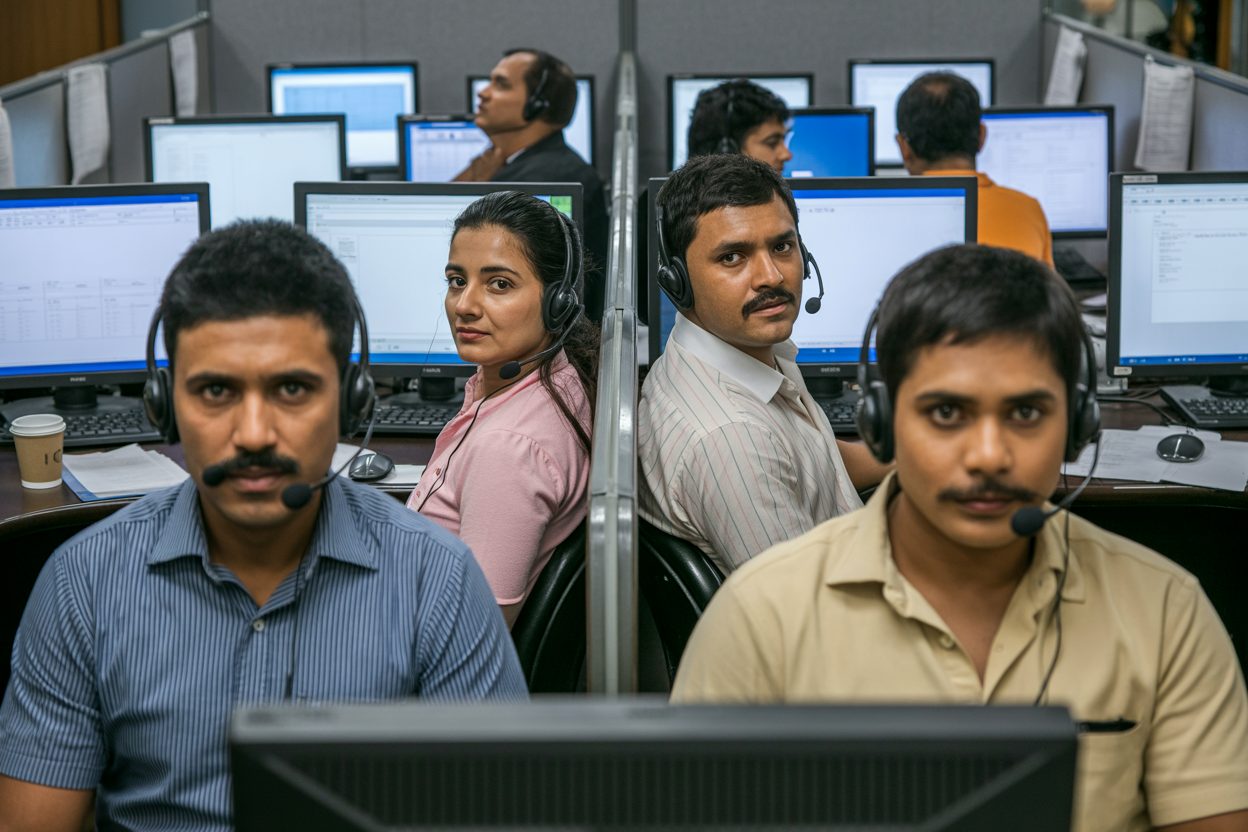
Forget the tired narrative that tech support scams are merely the unfortunate consequence of aging. The FBI recently announced the dismantling of an India-based call-center operation that defrauded hundreds of elderly Americans out of millions through these scams
These people defrauded hundreds of elderly Americans out of millions using tech support scams. This FBI dismantled them.
— @FBIBoston (reposted by FBI Director Kash Patel) link
. Crucially, the investigation revealed that two U.S. executives, Adam Young and Harrison Gevirtz, pleaded guilty to misprision of a felony for knowingly providing telecom services to the scammers
"Former CEO Adam Young, 42, of Miami, Florida, and former CSO Harrison Gevirtz pleaded guilty to misprision of a felony for knowingly providing telecom services to tech-support scammers who preyed on elderly Americans."
. This isn't just about foreign bad actors; it's about U.S. enablers turning a blind eye – or worse, actively profiting – from the exploitation of our seniors. Sentencing for these executives is set for June 16, 2026
"Former CEO Adam Young, 42, of Miami, Florida, and former CSO Harrison Gevirtz pleaded guilty to misprision of a felony for knowingly providing telecom services to tech-support scammers who preyed on elderly Americans."
.
The Business of Deception, Not Just Elder Abuse
The narrative often defaults to 'elder abuse,' a framing that, while true for the victims, obscures the operational reality. This was a sophisticated, multi-million dollar business
"The Federal Bureau of Investigation (FBI) has dismantled an India-linked call centre operation accused of defrauding hundreds of elderly Americans of millions of dollars through tech-support scams."
. The FBI's announcement focuses on the dismantling of an India-based operation, but the critical detail is the role of U.S. executives [c1, c2]. Adam Young, 42, of Miami, and Harrison Gevirtz, formerly of a call-tracking analytics company, pleaded guilty to misprision of a felony. This means they knew about the crimes and did nothing to stop them, while continuing to provide services that facilitated the fraud
"Former CEO Adam Young, 42, of Miami, Florida, and former CSO Harrison Gevirtz pleaded guilty to misprision of a felony for knowingly providing telecom services to tech-support scammers who preyed on elderly Americans."
. This wasn't an accidental oversight; it was a calculated decision to profit from a known criminal enterprise.
US Executives as Facilitators, Not Bystanders
The real story here, often lost in the sensationalism of foreign scams, is the complicity of American business. Young and Gevirtz weren't just passive observers; they actively provided the telecom infrastructure that allowed these scams to operate at scale
"Former CEO Adam Young, 42, of Miami, Florida, and former CSO Harrison Gevirtz pleaded guilty to misprision of a felony for knowingly providing telecom services to tech-support scammers who preyed on elderly Americans."
. The FBI is calling on the public to report suspicious activity to 1-800-CALL-FBI, a necessary step, but it doesn't address the root cause: how U.S. companies can knowingly enable such widespread fraud. Their guilty pleas, with sentencing scheduled for June 16, 2026, are a stark reminder that the 'bad guys' aren't always overseas.
What the Mainstream Missed: The 'How' Behind the 'Who'
While outlets like The American Bazaar and Business Today reported on the FBI's action, the deeper angle – the deliberate enablement by U.S. executives – is where Palmelle focuses. The FBI Director himself highlighted the scale of the fraud, stating hundreds of elderly Americans lost millions [c1, c3]. But the crucial element is that the system, including U.S. telecom services, was *knowingly* used to perpetuate this. This isn't a case of technology failing; it's a case of technology being weaponized by individuals who understood the consequences but prioritized profit. The guilty pleas of Young and Gevirtz underscore this point with chilling specificity.
Common mistakes
- Attributing it solely to foreign actors
This framing lets U.S. enablers off the hook. The guilty pleas of executives like Adam Young show a direct link to complicity within our own country, making it a business model, not just an external threat. - Focusing only on the victims' age
While seniors are targeted, the core issue is the exploitation of telecommunications infrastructure and the knowing facilitation by U.S. individuals. Age is a vulnerability exploited, not the sole cause of the crime's existence. - Using generic 'stay vigilant' advice
This passive advice is insufficient. Readers need specific actions, like knowing the FBI does not call about computer issues and understanding that U.S. executives can be complicit.
"Former CEO Adam Young, 42, of Miami, Florida, and former CSO Harrison Gevirtz pleaded guilty to misprision of a felony for knowingly providing telecom services to tech-support scammers who preyed on elderly Americans."
. This isn't a glitch in the system; it's a deliberate business model where American enablers profit from the financial ruin of our parents and grandparents. The FBI's dismantling of this operation is a step, but the underlying issue of complicity within our own tech and telecom sectors demands far greater scrutiny.
Frequently asked
Does the FBI really call about computer scams?
No. The FBI does not initiate contact with consumers via unsolicited phone calls, emails, or social media messages to report that your computer is infected or that your accounts are compromised. The recent bust involved U.S. executives knowingly providing services to scammers who impersonated law enforcement [c1, c2]. If you receive such a call, hang up immediately.
What is 'misprision of a felony'?
Misprision of a felony is the crime of knowing that a felony has been committed by another person, and that person has not been detected, but failing to report it to the authorities. In this case, Adam Young and Harrison Gevirtz knew their telecom services were being used by scammers and did not report it, essentially becoming accessories by inaction [c2].
How can I protect myself or a loved one from these scams?
Never give remote access to your computer or personal information to someone who calls you unexpectedly. Verify any claims by hanging up and calling the official number of the suspected organization (like the FBI at 1-800-CALL-FBI) yourself. Educate family members that legitimate agencies do not operate this way.