
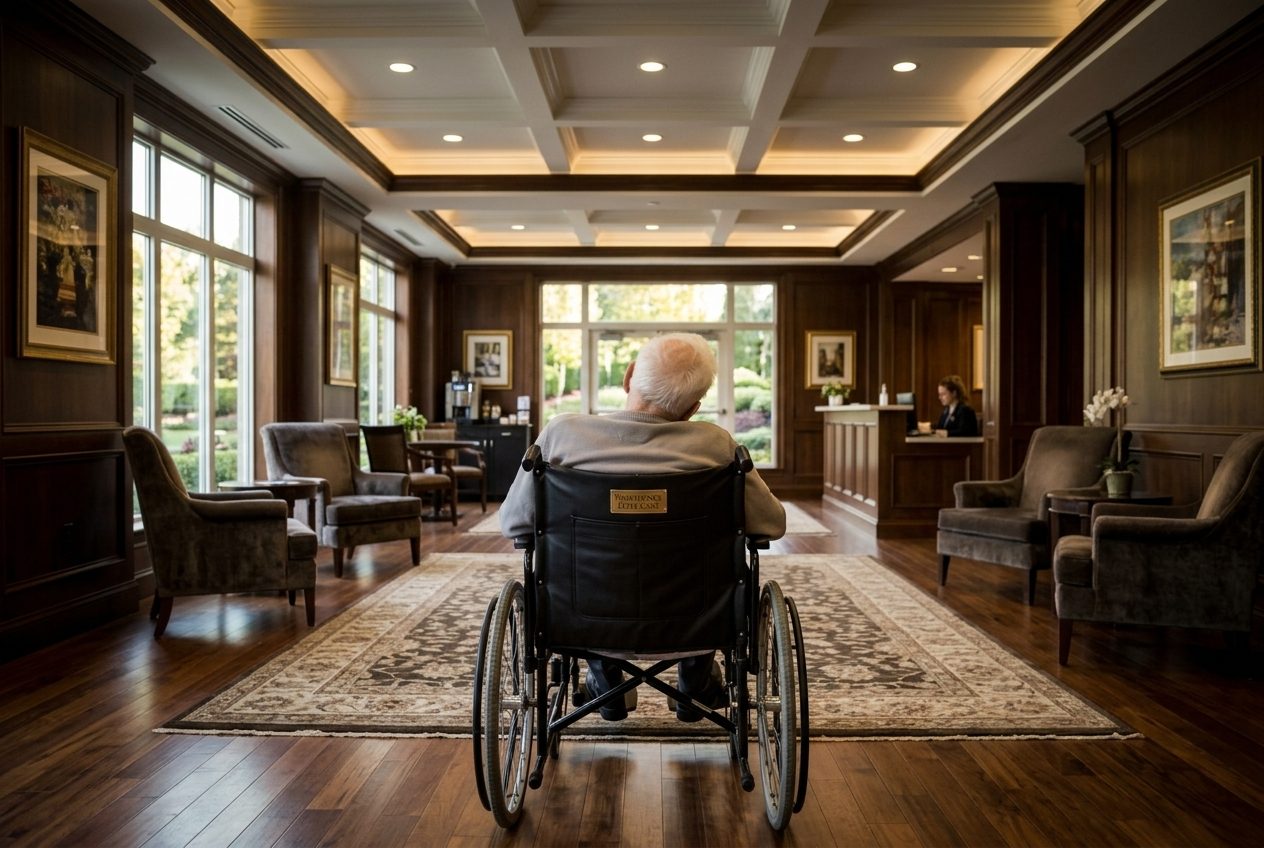
Beyond the Brochure: Skilled Nursing vs. Assisted Living
When Mom needs more than a helping hand but less than round-the-clock medical attention, the lines blur. Here's how to see clearly.
The phone call comes at 2 AM. It's not the fire alarm, but the familiar dread of a parent who's taken a fall. Or maybe it's the slow realization that managing medications, meals, and basic daily tasks is no longer a given. You're staring down a chapter you didn't plan for, and the language used to describe the places that can help feels like a foreign tongue. Terms like 'assisted living' and 'skilled nursing' get thrown around interchangeably, leaving you with more questions than answers.
The direct answer
Assisted living offers support for daily tasks like bathing, dressing, and medication reminders in a residential setting. Skilled nursing provides 24/7 medical supervision and rehabilitation services for individuals with complex health conditions, often following hospitalization. The primary distinction lies in the level of medical care and supervision required.
What 'Assisted Living' Actually Means
Think of assisted living as a stepping stone between living independently and needing constant medical attention. These facilities offer private apartments or shared rooms where residents receive help with personal care, such as bathing, grooming, and dressing. Staff are available to assist with medication management, ensuring pills are taken on time and in the correct dosage. Meals are typically provided in a communal dining area, fostering social interaction.
The focus here is on maintaining a degree of independence while ensuring safety and support. It's for individuals who can no longer manage all aspects of daily living on their own but do not require continuous nursing supervision. For example, someone with early-stage dementia who needs help remembering to take their blood pressure medication and assistance with showering could be a good fit for assisted living.
Costs can vary significantly, but a private room in an assisted living facility might range from $4,000 to $7,000 per month, depending on the location and services. This usually covers housing, meals, personal care assistance, and some activities. Private pay is the most common funding source, though some long-term care insurance policies may cover a portion of the costs.
When 'Skilled Nursing' Becomes Necessary
Skilled nursing facilities, often referred to as nursing homes, are designed for individuals with more complex medical needs. These facilities provide 24-hour supervision by licensed nurses and therapists. This includes wound care, intravenous (IV) therapy, respiratory support, and extensive physical or occupational rehabilitation. It's the level of care you'd expect after a major surgery, a serious accident, or for managing chronic conditions that require constant medical monitoring.
Unlike assisted living, the primary purpose of a skilled nursing facility is to provide comprehensive medical care and rehabilitation services. Residents often have significant physical or cognitive impairments that necessitate a higher level of oversight. This could include someone recovering from a stroke who needs intensive physical therapy to regain mobility, or an individual with advanced Alzheimer's who requires constant supervision and specialized medical interventions.
Monthly costs for skilled nursing are typically higher due to the intensive medical staffing and services. You can expect to pay anywhere from $7,000 to $10,000 or more per month. Medicare can cover a portion of the costs for short-term stays (up to 100 days) following a qualifying hospital stay, but for long-term care, Medicaid or private pay are the most common options. Many people also use long-term care insurance to help offset these expenses.
How to Actually Evaluate Quality: Beyond the Smiling Faces
The brochures all look the same – sunny courtyards, happy residents, gourmet meals. But the real story is in the data. Every care facility is subject to inspections by federal CMS and state agencies. This data is publicly available and provides an objective look at how well a facility is performing.
Look for the Palmelle Clarity Score, a 0-100 rating derived from federal CMS and state inspection data. A score above 80 generally indicates a facility with a strong track record for safety and quality. Conversely, scores below 60 warrant deeper investigation, as they might signal recurring issues. The data includes citations for things like medication errors, unsanitary conditions, or inadequate staffing levels.
Be aware that some referral platforms, like A Place for Mom or Caring.com, work on commission. This means they may not show you all available facilities, prioritizing those that pay them. They are essentially sales agents for care facilities. Always cross-reference their recommendations with official data and your own site visits. A facility that doesn't pay a commission might be an excellent option that you'd otherwise miss.
Common mistakes
- Assuming all facilities are the same
The difference between assisted living and skilled nursing is vast, impacting care quality and cost. Choosing the wrong type can lead to unmet needs or unnecessary expenses. - Relying solely on sales pitches or online reviews
Brochures and anecdotal reviews can be misleading. Objective data from federal CMS and state inspections, like the Palmelle Clarity Score, provides a more accurate picture of a facility's performance and safety record.
Frequently asked
Can Medicare pay for assisted living?
Generally, Medicare does not cover the room and board costs for assisted living. It may cover some specific health services provided within an assisted living facility if they are deemed medically necessary, but this is rare and usually short-term. Long-term care insurance or private pay are the primary funding sources.
What is memory care?
Memory care is a specialized form of assisted living designed for individuals with Alzheimer's, dementia, or other forms of cognitive impairment. These facilities offer secure environments, specialized programming, and staff trained to manage the unique challenges associated with memory loss, including wandering prevention and behavioral support.
How long does someone typically stay in skilled nursing?
Stays in skilled nursing can be short-term for rehabilitation, often lasting a few weeks to a few months, with the goal of returning home. However, for individuals with ongoing complex medical needs or severe cognitive decline, skilled nursing can become a long-term residence.
Sources
- Medicare.gov Care Compare — Official source for federal CMS inspection data and quality ratings for nursing homes and other facilities.
- Centers for Medicare & Medicaid Services (CMS) — Provides information on quality measures and survey data for certified facilities.
- Administration for Community Living (ACL) — Offers general guidance on understanding long-term care options and resources.
More from Care Navigation → · Back to Perch · Browse all stories