
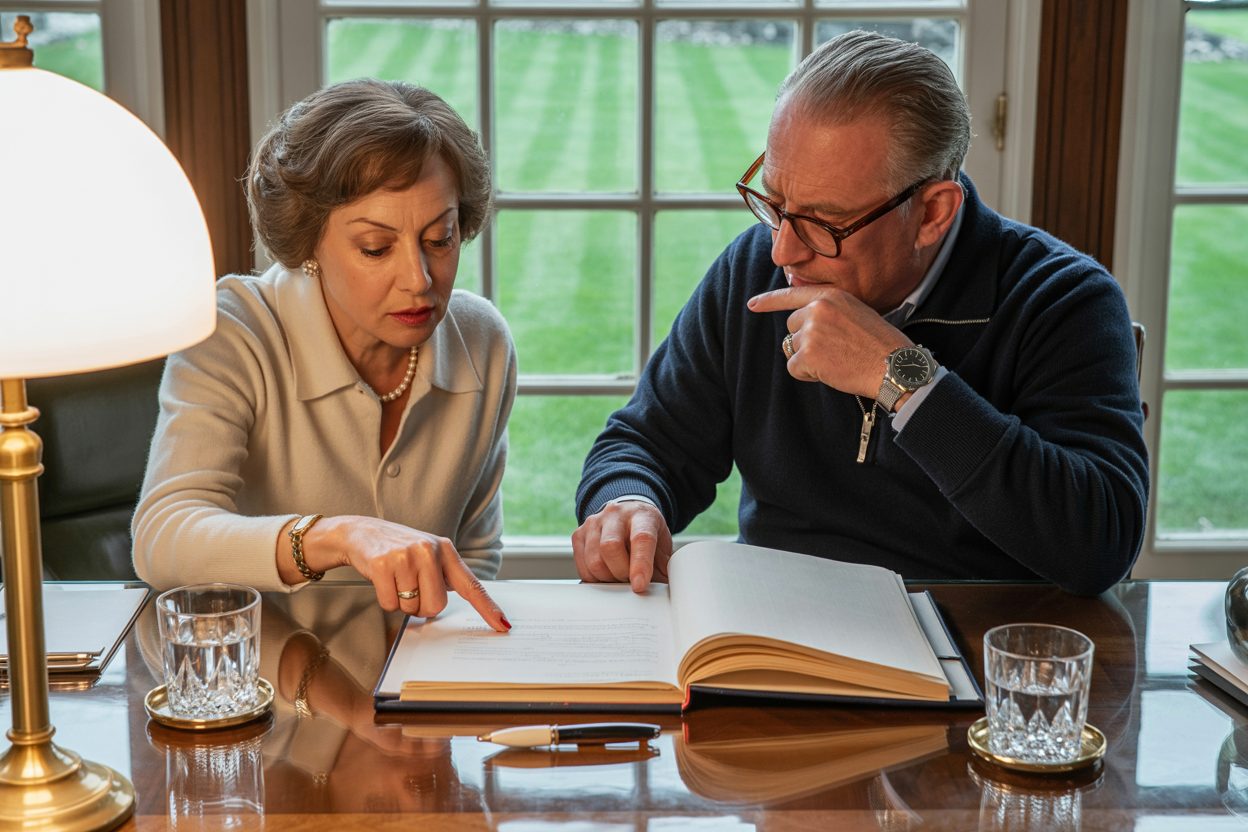
The Paperwork Your Parent Doesn't Want to Talk About (But Needs)
It's not about control; it's about dignity and what happens when they can't speak for themselves.
The thermostat in your parents' house is set to 78 degrees Fahrenheit. They insist it’s perfect. You’re sweating through your shirt, but pointing it out feels like a battle you don’t have the energy to fight. This is often how the bigger conversations about their future begin – or rather, don't begin. The resistance isn't always about stubbornness; it's about a primal fear of losing control or admitting vulnerability.
The direct answer
The best time to set up a durable power of attorney (POA) for finances and a healthcare POA is when your parent is still mentally competent. Aim for 6-12 months before any noticeable decline, ideally when they are 65 or older and still managing their affairs. If they refuse, you may need to explore guardianship, a much more complex and costly legal process.
The Real Stakes: What Happens When There's No Plan
Imagine your parent has a sudden stroke. They can no longer sign checks, approve medical treatments, or make decisions about their care facility. Without a POA, their bank accounts could be frozen. Bills go unpaid. You, as their child, might have to go to court to get appointed as their conservator or guardian.
This process can take months, cost thousands of dollars in legal fees (often $5,000 to $15,000 or more, depending on the state and complexity), and it puts you in an adversarial position with your parent’s wishes. It’s a public declaration that they are no longer capable, which can be deeply humiliating for them and incredibly stressful for you.
Furthermore, accessing information about their finances or medical status becomes incredibly difficult without legal authority. You can't simply step in and manage their affairs, even if you know it's what they'd want. The courts need to grant you permission, and that requires proof of incapacity, which often involves medical evaluations and legal hearings.
Framing the Conversation: It's About Independence, Not Dependence
Instead of saying, 'We need to get your paperwork in order because you might get sick,' try this: 'Mom/Dad, I want to make sure you stay in charge of your life, no matter what happens. This is about you having the final say, always. These documents just ensure your wishes are followed, even if you're not able to communicate them directly.'
Focus on the benefits to them. For finances, it means their bills will still be paid on time, their investments managed according to their plan, and their accounts accessible to someone they trust. For healthcare, it means their preferences for treatment, end-of-life care, or even the type of care facility they'd prefer are respected.
Think about it like having a spare key for your house. You don't plan on getting locked out, but it's reassuring to know you have a backup. This is the same concept for their autonomy and financial security. It’s a proactive measure to preserve their dignity and control.
The Family Meeting: When One Voice Isn't Enough
If your parent is resistant, consider a family meeting. Invite siblings or other trusted family members who your parent respects. Present a united front, emphasizing that this isn't about 'taking over' but about collective support and ensuring their wishes are honored.
Be prepared with information. Know the difference between a durable POA and a non-durable one (durable remains in effect if they become incapacitated), and the distinct roles of a financial POA versus a healthcare POA. Have the names of a few elder law attorneys in your area ready.
This is also the time to discuss your own future wishes. If you are 45-70, the odds are high that you also have aging parents and potentially your own adult children who will eventually need to understand your preferences. Having this conversation now, even if it’s awkward, sets a precedent for open communication about life’s inevitable transitions.
Common mistakes
- Waiting until there's a crisis.
Once a person is deemed mentally incapacitated, they can no longer legally sign a POA. This forces families into expensive and emotionally draining court proceedings for guardianship or conservatorship, which can take 6-12 months and cost upwards of $5,000-$15,000. It also means you can't easily access their accounts or make decisions about their care. - Using generic online forms without legal review.
State laws vary significantly regarding POAs. A poorly drafted document, or one that doesn't meet specific state requirements, can be invalid. This leaves you no better off than having no document at all, and you might not realize the flaw until it's too late.
Frequently asked
What's the difference between a Power of Attorney and a Will?
A Will dictates how your assets are distributed after your death. A Power of Attorney (POA) grants someone the authority to act on your behalf while you are still alive, particularly if you become unable to make decisions yourself. POAs are active during your lifetime, while Wills are executed after your passing.
Can I be reimbursed for the costs of setting up a POA?
Typically, the costs associated with setting up a POA are borne by the person creating the document (your parent, in this case). If they have the funds, they should pay for their own legal fees and document preparation. In some rare cases, if you are appointed as POA and incur documented expenses on their behalf, those expenses might be reimbursed from their estate, but this is usually handled after the fact and requires careful record-keeping.
What if my parent has dementia and refuses to sign?
If your parent has been diagnosed with dementia and is no longer considered mentally competent, they cannot legally sign a POA. In this situation, you would likely need to pursue a conservatorship or guardianship through the court system. This process involves proving to a judge that your parent is incapacitated and requires a legal representative to manage their affairs. It is significantly more time-consuming, expensive, and emotionally challenging than having them proactively sign a POA while they are still capable.
Sources
More from The Conversation → · Back to Perch · Browse all stories